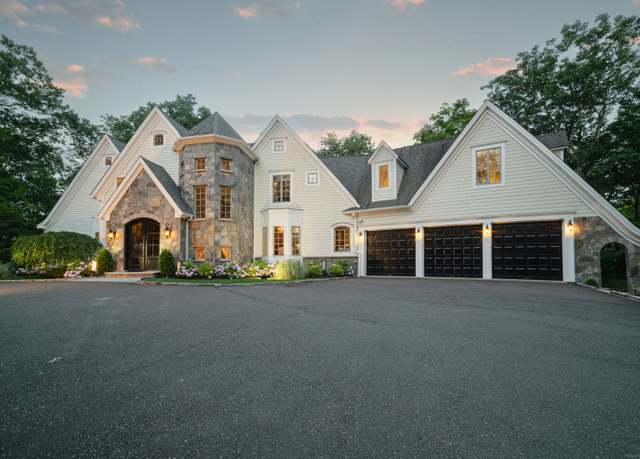
What Happens If My House Doesn't Sell?
Adam Cannon July 23, 2026
Adam Cannon July 23, 2026
Listing your home can be exciting. You prepare for showings, watch new listings hit the market, and hope an offer arrives quickly. But what happens if it doesn't?
If your house doesn't sell, it doesn't automatically mean there's something wrong with your home. Every market is different, and every listing tells a story. Sometimes the reason is obvious, while other times it's a combination of smaller factors that discourage buyers from taking the next step.
The important thing to remember is that an unsold home isn't the end of the road. In many cases, identifying the reason your home hasn't sold is the first step toward creating a successful strategy moving forward.
One of the biggest myths in real estate is that every home will sell if you simply wait long enough.
The reality is that buyers have choices. When they compare homes online and in person, they're evaluating price, condition, location, updates, layout, and overall value. If another home checks more of their boxes, they'll often move on without making an offer.
That doesn't mean your home can't sell. It simply means buyers aren't seeing enough value compared to the competition that's currently available.
Understanding why buyers are passing on your home is far more productive than assuming the market is to blame.
Before making any major changes, take an honest look at how your home compares to similar properties that have recently sold.
Ask yourself:
Sometimes sellers become emotionally attached to their asking price because of the memories they've made or the money they've invested over the years. Buyers, however, evaluate homes based on today's market.
Looking at your property through a buyer's perspective can often reveal opportunities you may not have noticed before.
If there's one reason homes tend to stay on the market longer than expected, it's pricing.
Many sellers believe pricing slightly above market leaves room for negotiation. In reality, today's buyers have access to more information than ever before. If they believe a home is overpriced, many won't schedule a showing at all.
The first few weeks after your home is listed are often when buyer interest is highest. Pricing your home competitively from the start gives you the best opportunity to attract attention while your listing is still new.
That doesn't necessarily mean pricing below market. It means pricing realistically based on comparable sales, current inventory, and buyer demand.
Even a well-priced home can struggle if buyers never see it.
Most buyers begin their search online, making your listing photos, description, and overall presentation incredibly important. Professional photography, compelling marketing, and broad online exposure help ensure your home reaches the largest possible audience.
Marketing also goes beyond simply putting a home on the MLS. The goal is to create enough visibility and interest that qualified buyers feel motivated to schedule a showing.
If your home isn't attracting traffic, it may be worth evaluating whether the marketing strategy is showcasing your property's strongest features.
Not every home needs a major renovation before it sells.
Often, simple improvements can have a meaningful impact on buyer perception.
Fresh paint, improved lighting, decluttering, landscaping, and addressing deferred maintenance can make a home feel more inviting without requiring a significant investment.
Buyers want to imagine themselves living in the home. Making it easier for them to do that can increase both interest and offers.
It's easy to blame interest rates or market conditions when a home doesn't sell, but those factors affect every listing, not just yours.
The more productive question is:
"What can I control?"
Focusing on pricing, presentation, marketing, and buyer feedback gives you the opportunity to make adjustments that may improve your results.
Even in slower markets, homes that are well prepared and priced appropriately continue to sell.
If your home hasn't sold, resist the urge to make emotional decisions.
Instead, take a step back and evaluate the data.
How many showings have you had?
What feedback are buyers providing?
How does your home compare to similar listings that recently went under contract?
The answers to those questions often point toward the best next step.
Sometimes that's adjusting the price. Sometimes it's improving presentation. Sometimes it's refreshing the marketing. And sometimes it's simply recognizing that market conditions have changed since your home was first listed.
A thoughtful strategy is almost always more effective than making changes based on frustration.
If your house doesn't sell, it doesn't mean you've failed. It simply means the market has given you valuable information.
The key is understanding what that information is telling you and using it to make informed decisions moving forward.
Whether you're selling in West Hartford, Avon, Farmington, Simsbury, Canton, Granby, Manchester, Newington, Rocky Hill, South Windsor, or anywhere else in Hartford County, every home has the potential to attract the right buyer when it's positioned correctly.
If your home hasn't sold or you're preparing to list and want to avoid common mistakes, I'd be happy to provide a personalized market analysis and discuss a strategy that's tailored to your property and today's market.
Adam Cannon, Realtor
Coldwell Banker Realty | West Hartford
Stay up to date on the latest real estate trends.

Whether buying, selling, or exploring your options, I am ready to help you achieve your goals. With experience, integrity, and commitment, I’m the partner you can count on for exceptional real estate results.