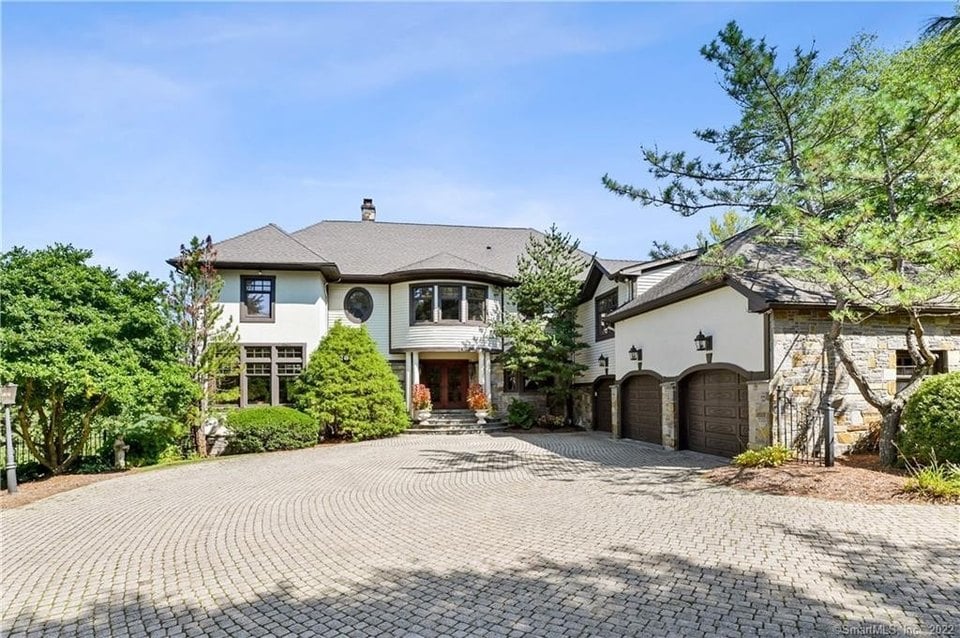
Do I Need to Replace My Roof Before Selling My House?
Adam Cannon October 21, 2026
If you're preparing to sell your house in Connecticut and your roof is getting older, you may be wondering whether you should replace it before listing.
A new roof can be a significant expense, and understandably, most sellers don't want to spend thousands of dollars unless it's necessary.
The good news is that you don't automatically need a new roof to sell your home. What matters is its condition, whether there are active problems, and how buyers and their lenders may respond.
Yes. An older roof doesn't automatically prevent a home from selling.
A roof that's 20 years old but well-maintained may be in better condition than a younger roof with installation problems or storm damage.
Buyers will consider the roof's age, but they'll also look for leaks, missing shingles, deterioration, and signs of deferred maintenance.
The important distinction is whether the roof is simply aging or actively failing.
It can, especially if buyers anticipate replacing it shortly after purchasing.
A roof nearing the end of its useful life may influence how much someone is willing to offer, even when there are no active leaks.
Buyers often calculate future expenses when comparing homes. If two similar properties are available and one has a newer roof, that difference may affect their decision.
However, roof age alone doesn't determine value. Location, condition, price, and competing listings all matter.
Sometimes a targeted repair is the better financial decision.
If a roof is generally sound but has a small area of damage, replacing shingles or correcting flashing may resolve the problem.
However, widespread deterioration, repeated leaks, or significant underlying damage may make replacement more practical.
Before deciding, have a qualified roofing contractor assess the condition and explain your options.
A professional evaluation can help you avoid spending more than necessary.
Yes. Significant roof problems can create financing complications.
Mortgage lenders evaluate property condition, and certain loan programs may require repairs when defects affect safety, soundness, or structural integrity.
For example, active leaks or severely deteriorated roofing may need to be addressed before financing can proceed.
But an older roof doesn't automatically disqualify a property from conventional financing.
The specific condition, appraisal findings, loan program, and lender requirements determine whether repairs are necessary.
Roof concerns frequently arise during home inspections.
Depending on the contract, buyers may request repairs, negotiate a price reduction, seek another concession, or decide whether to continue with the purchase.
A seller isn't automatically required to agree to every inspection request.
However, unresolved roof problems can create uncertainty, particularly when the buyer's financing or insurance is affected.
Understanding the roof's condition before listing can help sellers prepare for these conversations.
A new roof can improve marketability and reduce buyer concerns, but it doesn't guarantee you'll recover the full replacement cost.
If your roof is functioning properly, replacing it solely to advertise a new roof may not be the most effective use of your money.
On the other hand, if the existing roof has major problems, replacement may prevent delays, financing issues, or substantial negotiations.
The decision should reflect the property's condition and what buyers in your market expect.
You may still have options.
Depending on the circumstances, you could sell with the roof in its current condition, price the home accordingly, or negotiate a buyer concession.
Some buyers are comfortable purchasing a property that needs work, particularly when the asking price reflects those expenses.
However, selling as-is doesn't eliminate applicable Connecticut property disclosure obligations or guarantee that a buyer's lender will accept the roof's condition.
Be realistic about how the issue may affect your buyer pool.
If you know the roof is older or suspect problems, a professional evaluation can be worthwhile.
A roofing contractor can help identify existing damage, potential repairs, and whether replacement is advisable.
Keep documentation of inspections, repairs, warranties, and previous roof work.
Connecticut sellers should also accurately complete applicable property condition disclosures based on their knowledge of the home.
Addressing concerns before listing may make negotiations more predictable.
Start with three questions: Is the roof functioning properly? Could its condition interfere with a buyer's financing or insurance? And would replacement meaningfully improve the home's marketability?
Then compare the cost of repairs or replacement with the likely impact on your sale.
For homeowners in West Hartford, Farmington Valley, and throughout Hartford County, the best decision depends on the individual property, not a universal rule about roof age.
No, but you do need to understand the condition of the roof you're selling.
An aging but functional roof may be perfectly acceptable to buyers. A roof with active leaks or major deterioration could create expensive complications.
Before committing to a full replacement, get a professional assessment, understand your options, and evaluate how the roof may affect pricing, inspections, and financing.
The goal isn't to make every part of your home brand new before selling. It's to make informed decisions that protect your sale without spending money unnecessarily.
Adam Cannon, Realtor
Coldwell Banker Realty | West Hartford
Stay up to date on the latest real estate trends.



Whether buying, selling, or exploring your options, I am ready to help you achieve your goals. With experience, integrity, and commitment, I’m the partner you can count on for exceptional real estate results.