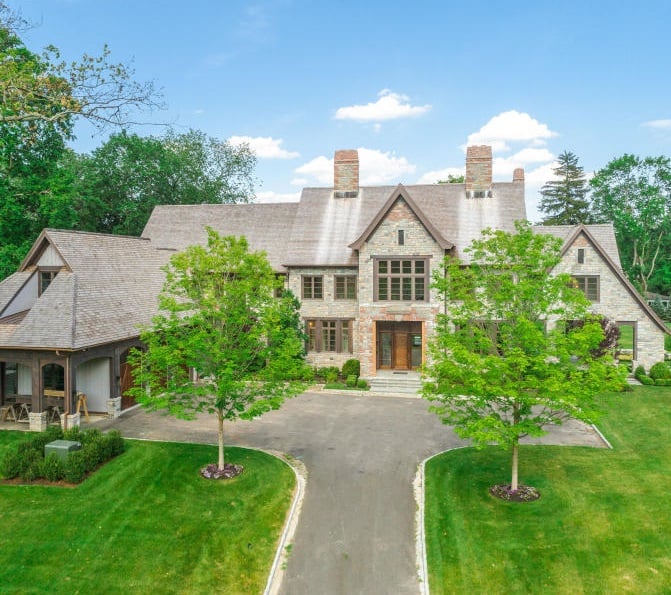
What Should You Inspect Before Buying a Home in West Hartford?
Adam Cannon October 20, 2026
You've found a house in West Hartford that checks nearly every box.
The location is great, the layout works, and maybe it has the hardwood floors, architectural details, or updated kitchen you've been looking for.
But before moving forward with the purchase, there's another question worth asking.
What should you actually inspect before buying a home in West Hartford, Connecticut?
West Hartford has a wide variety of housing, including historic Colonials, Cape Cods, ranches, midcentury properties, and extensively renovated homes. While many have been beautifully maintained, age and appearance alone don't tell you everything about a property's condition.
A home inspection can help you understand what you're purchasing, identify potential expenses, and determine whether additional evaluations are necessary.
Here are some of the areas I encourage buyers to pay particular attention to.
One of the less obvious concerns when purchasing an established home is the condition of its sewer line.
Older underground pipes can develop cracks, root intrusion, deterioration, or blockages over time.
The challenge is that these problems aren't always visible during a typical home showing or general inspection.
A sewer camera inspection can provide a closer look at the condition of the line and identify potential issues before they become expensive surprises.
Not every property will require the same level of investigation, but buyers should understand the age and condition of the plumbing infrastructure and consider whether a specialized inspection makes sense.
It's also worth confirming whether the property is connected to public sewer or has a private system, rather than making assumptions based on its location.
Electrical systems are another important consideration, particularly in homes that have undergone multiple renovations.
A West Hartford home may have a beautifully updated kitchen while other portions of its electrical system remain older.
During an inspection, it's important to evaluate the condition of accessible wiring, the electrical panel, visible safety concerns, and whether the system appears appropriate for the home's current needs.
If you're planning to add central air conditioning, an electric vehicle charger, or other major electrical equipment, understanding the property's existing capacity becomes even more important.
Significant electrical concerns should be evaluated by a qualified electrician.
And if major electrical improvements were recently completed, buyers should verify the relevant permit history rather than relying solely on the appearance of the finished work.
A roof can look perfectly acceptable from the street while still approaching the end of its useful life.
During the inspection process, buyers should ask about the roof's approximate age, materials, visible wear, flashing, and any signs of previous leaks.
A roof doesn't necessarily need to be new to be in good condition.
However, knowing whether you're likely to face a major replacement expense in the near future can affect your budget and purchasing decision.
If an inspector identifies significant concerns, a roofing contractor may be able to provide a more detailed evaluation and cost estimate.
It's also important to understand whether roof condition could create issues with obtaining homeowners insurance.
Basements deserve particular attention when purchasing a home.
Even a finished basement with attractive flooring and fresh paint can have underlying moisture concerns.
Look for signs of water staining, musty odors, visible cracks, damaged finishes, or evidence of recurring seepage.
The inspection should also consider accessible foundation components, grading, drainage, and conditions that may direct water toward the house.
Not every crack indicates a major structural problem, and not every basement moisture issue requires an expensive repair.
But buyers should understand the difference between routine maintenance concerns and conditions that warrant further investigation.
If significant movement, deterioration, or structural concerns are suspected, a qualified structural engineer may be appropriate.
Heating and cooling systems can represent a substantial future expense, so it's important to understand what you're inheriting.
Many established homes in West Hartford have boilers, furnaces, radiators, baseboard heating, or systems that have been modified over the years.
Other properties have central air conditioning, ductless systems, or more recently installed equipment.
Buyers should ask about system age, maintenance history, service records, and any known operational concerns.
A system that operates during an inspection isn't necessarily guaranteed to remain problem-free for years.
Likewise, an older system isn't automatically defective.
The goal is to understand its current condition and prepare for potential replacement costs.
This is an area buyers sometimes overlook, especially when touring a beautifully renovated home.
A remodeled kitchen, finished basement, added bathroom, or converted attic can make a property more appealing.
But it's important to verify whether work requiring permits was properly authorized and inspected.
West Hartford's Building Department requires permits for many types of construction and alterations, including applicable electrical, plumbing, heating, and structural work.
The town also maintains permit information that buyers can investigate.
Why does this matter?
Unpermitted work can create complications involving safety, future renovations, financing, or resale.
A home inspection doesn't automatically establish whether every improvement complies with building codes.
Buyers should review available municipal records and ask questions about substantial renovations, particularly when finished spaces or major systems have been altered.
Some important property concerns can't be identified through a visual inspection alone.
Radon is a naturally occurring radioactive gas that can enter homes through openings in the foundation.
Because it has no color or smell, testing is the way to determine whether elevated levels are present.
The Connecticut Department of Public Health recommends that homeowners throughout the state test their homes for radon.
Buyers may also want to consider potential asbestos-containing materials, lead-based paint in older homes, or other environmental concerns based on the property's age and condition.
These issues don't automatically make a home unsuitable for purchase.
However, identifying potential hazards and understanding available remediation options can help buyers make informed decisions.
Specialized testing or evaluation may be necessary because a standard home inspection doesn't cover every environmental concern.
West Hartford buyers often appreciate the character of older homes, including original windows, detailed trim, and traditional architectural features.
But comfort and operating expenses are worth evaluating alongside appearance.
Ask about window condition, accessible insulation, drafts, ventilation, and the home's heating and cooling performance.
Older windows aren't automatically a problem, and replacement isn't always necessary.
However, understanding potential energy efficiency improvements can help you estimate future maintenance and upgrade expenses.
For buyers considering a larger home, these costs can become particularly relevant when calculating the total cost of ownership.
A fireplace can be a beautiful feature, especially in a traditional West Hartford Colonial.
But buyers shouldn't assume it's safe to use simply because it looks well maintained.
Chimneys and fireplaces may require specialized evaluation to identify issues involving liners, masonry, flashing, or ventilation.
If the property has a fireplace or wood-burning appliance you intend to use, ask whether a chimney inspection is appropriate.
Repairs can vary significantly depending on the condition and type of system.
Understanding those costs before closing is preferable to discovering them after moving in.
A general home inspection is an important part of evaluating a property, but it has limitations.
Inspectors examine accessible systems and components within the scope of their inspection.
They generally aren't opening walls, excavating underground pipes, or guaranteeing that every system will continue functioning for a particular number of years.
Specialized evaluations may be necessary for sewer lines, chimneys, environmental conditions, structural concerns, or other issues.
This is why it's important to ask your inspector what's included and whether additional testing would be appropriate for the particular property.
A thorough inspection process isn't necessarily about ordering every possible test. It's about identifying which evaluations make sense for the home you're considering.
It's extremely common for an inspection report to identify some issues, even in a well-maintained property.
The important question is how serious those findings are.
A loose fixture or minor maintenance item is different from an active roof leak, a significant structural concern, or an unsafe electrical condition.
Buyers should work with their inspector and appropriate specialists to understand the findings, potential repair costs, and urgency.
Depending on the purchase agreement and applicable contingencies, inspection results may lead to further evaluations, negotiations, or a decision about whether to proceed.
The available options depend on the contract and circumstances.
Rather than reacting to the number of items in a report, focus on the severity of the concerns and what they mean for your ownership plans.
Absolutely not.
Many of West Hartford's established homes offer character, layouts, locations, and architectural features that buyers specifically seek out.
A property's age doesn't automatically determine its condition.
Some older homes have been meticulously maintained and thoughtfully updated.
Others may need substantial improvements, even if they appear attractive during a showing.
The same principle applies to newer properties.
Every home deserves an evaluation based on its individual condition rather than assumptions about when it was built.
The goal isn't to find a property with absolutely no maintenance needs.
It's to understand the home well enough to make a confident, financially informed decision.
When purchasing a home in West Hartford, it's easy to focus on the features you can immediately see.
But some of the most important considerations involve the systems, structure, and maintenance history behind those features.
Understanding the roof, plumbing, electrical systems, foundation, heating equipment, permit history, and potential environmental concerns can help you avoid unexpected expenses and plan for future ownership.
A home inspection shouldn't simply tell you what's wrong with a property. It should help you understand what owning that property may involve.
If you're planning to buy a home in West Hartford, Connecticut, I can help you navigate the purchasing process, understand inspection contingencies, and coordinate the next steps when questions arise about a property's condition.
From your first showing through closing, having the right information can make a meaningful difference in your buying experience.
Adam Cannon, Realtor
Coldwell Banker Realty | West Hartford
Stay up to date on the latest real estate trends.
Whether buying, selling, or exploring your options, I am ready to help you achieve your goals. With experience, integrity, and commitment, I’m the partner you can count on for exceptional real estate results.