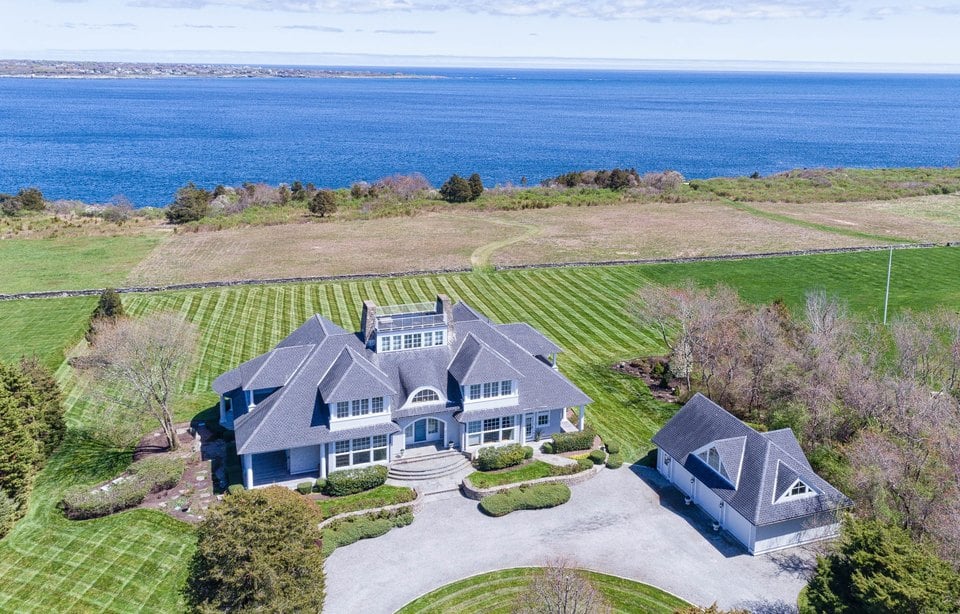
What Makes a Million-Dollar Home Worth the Price?
Adam Cannon October 22, 2026
When shopping for a million-dollar home in Connecticut, buyers quickly discover that price alone doesn't tell the full story.
Two properties listed for $1 million may offer completely different experiences. One might feature exceptional craftsmanship and a desirable location, while another offers more square footage but requires substantial updates.
So what actually makes a million-dollar home worth the price? The answer is usually a combination of location, construction quality, thoughtful design, condition, and features that are difficult to replicate.
Even at higher price points, location remains one of the strongest influences on property value.
In West Hartford, proximity to desirable neighborhoods, restaurants, shopping, and community amenities may contribute to demand.
In Farmington Valley, buyers may prioritize privacy, scenic surroundings, larger properties, or convenient access to nearby communities.
A home's location also affects its long-term marketability. An impressive property in a less desirable setting may not command the same value as a comparable home in a consistently sought-after area.
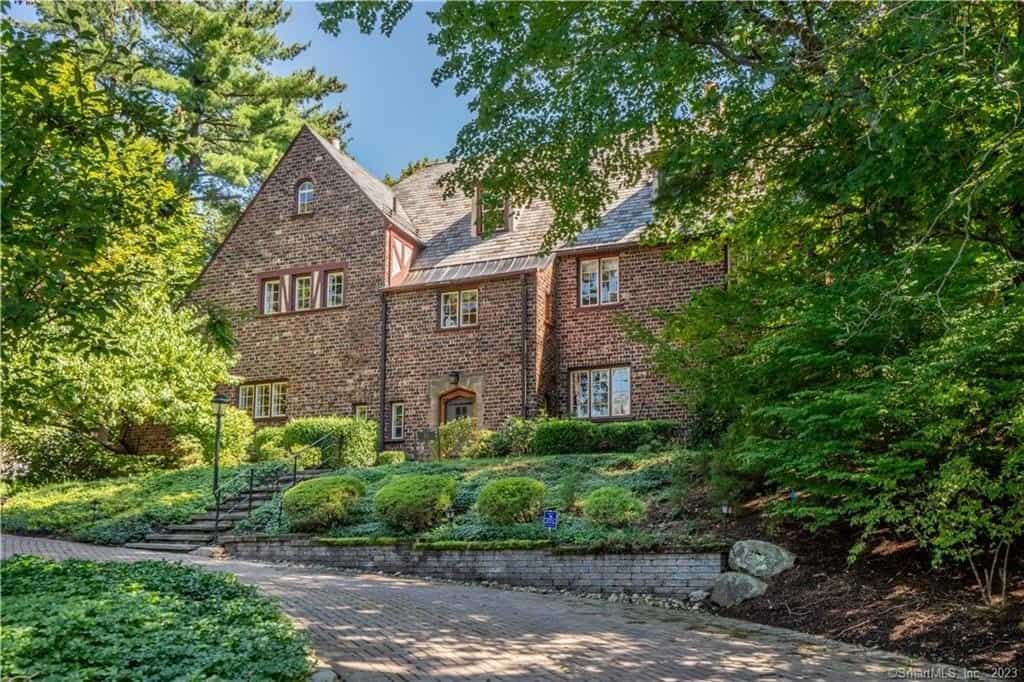
High-end finishes can make a strong first impression, but they don't necessarily indicate superior construction.
Buyers should look beyond countertops, cabinetry, and designer fixtures.
Structural integrity, insulation, windows, roofing, mechanical systems, and overall workmanship are equally important.
A beautifully renovated home with outdated infrastructure may require more investment than expected.
At the million-dollar price point, understanding what lies behind the finishes is essential.
Thoughtful architecture contributes to both everyday enjoyment and long-term appeal.
Ceiling heights, natural light, room proportions, window placement, and the flow between living spaces can make a property feel exceptional.
Custom millwork, quality materials, and distinctive architectural details may also contribute to value.
However, an expensive design isn't automatically a functional one.
Buyers should consider whether the home's layout supports how they actually intend to live.
For many higher-end buyers, privacy is a major consideration.
A thoughtfully positioned home with mature landscaping, attractive surroundings, and separation from neighboring properties can offer advantages that are difficult to recreate.
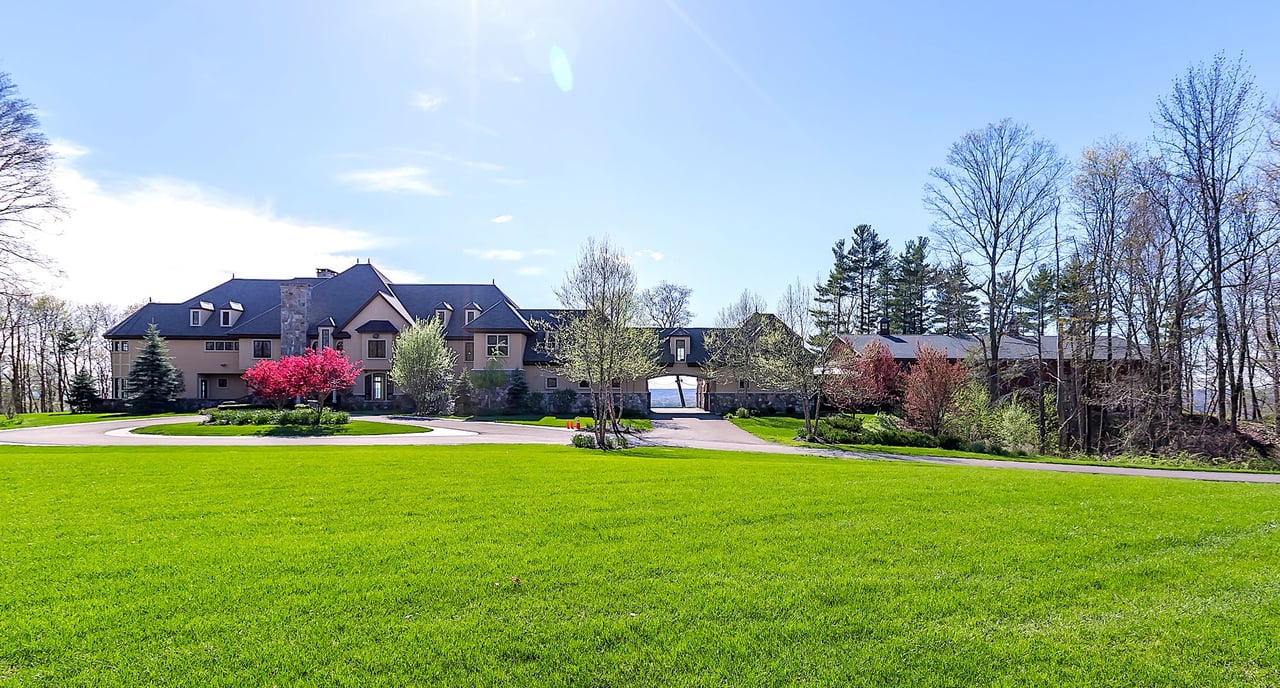
In communities such as Avon, Farmington, and Simsbury, larger properties may also provide space for outdoor entertaining, recreation, or additional amenities.
However, acreage alone doesn't determine value.
Topography, drainage, accessibility, usable land, and property restrictions all influence how beneficial that land really is.
Pools, outdoor kitchens, home theaters, wine rooms, and elaborate entertaining spaces can enhance a property's appeal.
But the cost of installing these features doesn't necessarily equal the value they'll contribute when selling.
Some improvements appeal to a broad range of buyers, while others reflect highly individual preferences.
The most valuable features are often those that combine quality, functionality, and lasting appeal.
Buyers should evaluate whether they're paying for amenities they'll genuinely use or improvements that simply look impressive during a showing.
A million-dollar home isn't automatically a low-maintenance home.
Larger properties may have multiple HVAC systems, extensive roofing, complex landscaping, and specialized equipment.
Before purchasing, review the age of major systems, available maintenance records, and any anticipated replacements.
A well-maintained property with quality infrastructure may offer better overall value than a more visually impressive home with substantial deferred maintenance.
Start by examining recent comparable sales.
Look at properties with similar locations, square footage, condition, lot characteristics, and overall quality.
Unique homes can be difficult to compare directly, particularly when custom construction or unusual features are involved.
An asking price may reflect what a seller invested in the property, but buyers should distinguish renovation costs from what the current market supports.
A knowledgeable local real estate agent can help evaluate these differences and identify whether a premium is justified.
A million-dollar home can be a worthwhile purchase, but appreciation is never guaranteed.
Location, ongoing maintenance, market conditions, and future buyer preferences all influence long-term value.
Rather than focusing exclusively on potential resale profits, buyers should consider whether the property meets their needs and fits their financial plans.
A home that offers lasting quality, desirable surroundings, and a functional layout may remain appealing through changing design trends.
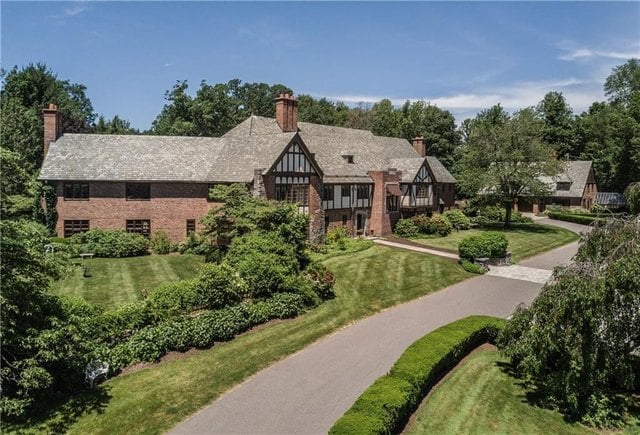
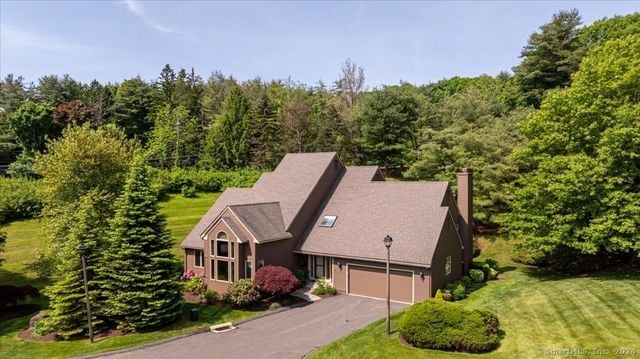
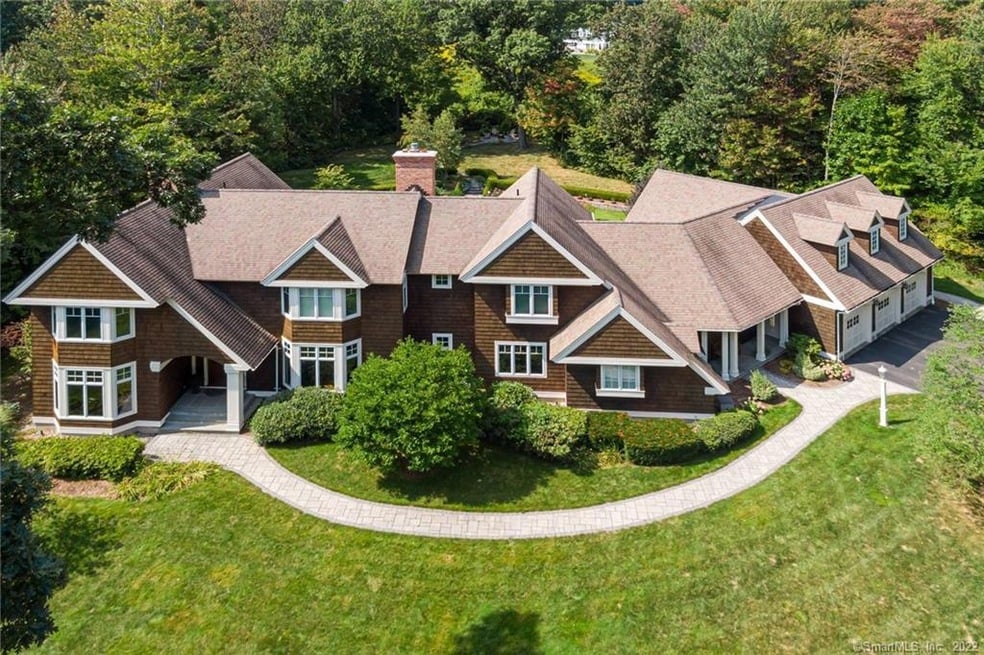
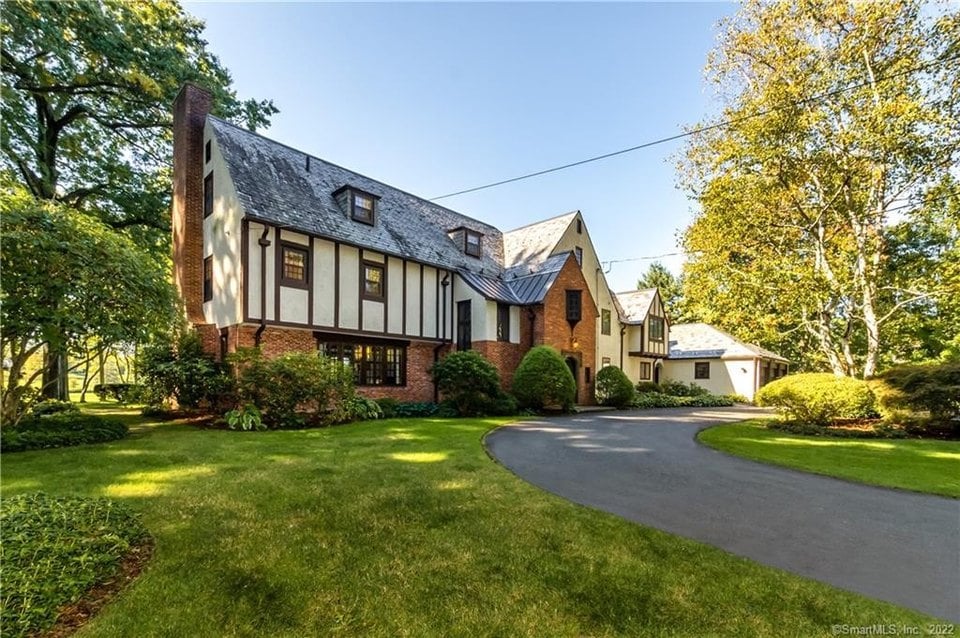
When comparing million-dollar homes in Hartford County, focus on the qualities that are hardest to change.
Location, lot characteristics, construction quality, and architectural design often deserve greater consideration than cosmetic finishes.
Paint, lighting, and certain interior features can be updated. A property's setting, structural characteristics, and fundamental layout are considerably more difficult to change.
The best million-dollar home isn't necessarily the largest or most elaborate. It's the one where the quality, location, functionality, and asking price make sense together.
Adam Cannon, Realtor
Coldwell Banker Realty | West Hartford
Stay up to date on the latest real estate trends.
Whether buying, selling, or exploring your options, I am ready to help you achieve your goals. With experience, integrity, and commitment, I’m the partner you can count on for exceptional real estate results.