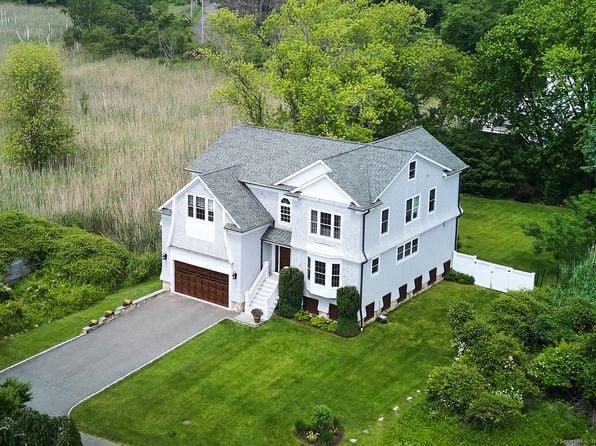
Should I Sell My House Before I Retire?
Adam Cannon July 16, 2026
Adam Cannon July 16, 2026
Retirement often brings more than the end of a career.
It marks the beginning of a new chapter, one that may include different financial priorities, a new daily routine, and a fresh perspective on where and how you want to live.
For many homeowners, that leads to an important question:
"Should I sell my house before I retire?"
There's no universal answer because every homeowner's situation is different. For some, selling before retirement creates greater financial flexibility and simplifies the transition into the next stage of life. For others, staying in their current home is the better choice.
The key isn't finding a one-size-fits-all solution. It's understanding how your home fits into your overall retirement plans and making a decision that supports your long-term goals.
One of the biggest mistakes homeowners make is waiting until retirement has already begun before thinking about their housing plans.
By then, major decisions may feel more urgent.
Planning ahead gives you time to evaluate your options without unnecessary pressure. You can learn what your home is worth, estimate your available equity, think through your future housing needs, and decide whether your current home still fits the lifestyle you envision.
Even if retirement is still several years away, starting the conversation now gives you far more flexibility than waiting until the last minute.
Retirement isn't only about leaving the workforce.
It's also about how you want to spend your time.
Ask yourself a few questions.
Will your current home still meet your needs in five or ten years?
Do you want less maintenance?
Would you rather travel more and spend less time caring for a large property?
Would you like to be closer to children, grandchildren, or other family members?
The answers to these questions often become just as important as the financial side of the decision.
Choosing the right home for retirement is about supporting the lifestyle you want to enjoy, not simply reducing your housing costs.
For many homeowners, their house represents one of their largest financial assets.
If you've owned your home for many years, you may have built substantial equity.
Understanding how much equity you have can help answer important questions, such as:
You don't have to make these decisions immediately, but knowing your options allows you to plan with confidence.
Many homeowners focus on the cost of moving but overlook the cost of staying.
As homes age, maintenance expenses often increase.
Larger properties may require more landscaping, snow removal, repairs, and ongoing upkeep than they did years ago.
Utility bills may also be higher than they would be in a smaller or newer home.
That doesn't mean you should automatically sell.
It simply means it's worth evaluating whether your current home continues to support the lifestyle and budget you want in retirement.
It's important to remember that retirement alone isn't a reason to sell.
If you love your home, enjoy your neighborhood, and feel confident that the property will continue meeting your needs, staying exactly where you are may be the right decision.
Many homeowners happily remain in their homes throughout retirement.
Others choose to make modifications that allow them to comfortably age in place.
The goal isn't to move because retirement is approaching.
The goal is to make an intentional decision based on what works best for you.
Life has a way of changing plans.
Health concerns, family needs, or unexpected financial circumstances can create situations where homeowners feel rushed into making major decisions.
Planning ahead helps reduce that pressure.
Even if you decide not to sell for several years, understanding your home's value and exploring your options now can make future decisions much easier.
The more information you have today, the more flexibility you'll likely have tomorrow.
Selling your house before retirement may be the right decision, but it isn't the right decision for everyone.
The most important step is evaluating how your current home fits into your future lifestyle, financial goals, and long-term plans. By understanding your home's value, your available equity, and the costs of both moving and staying, you can make a decision that's based on preparation rather than uncertainty.
If retirement is on the horizon and you're wondering whether your current home still aligns with your future goals, reach out anytime. Having a conversation now can help you better understand your options and build a plan that supports the next chapter of your life.
Adam Cannon, Realtor
Coldwell Banker Realty | West Hartford
Stay up to date on the latest real estate trends.


Whether buying, selling, or exploring your options, I am ready to help you achieve your goals. With experience, integrity, and commitment, I’m the partner you can count on for exceptional real estate results.