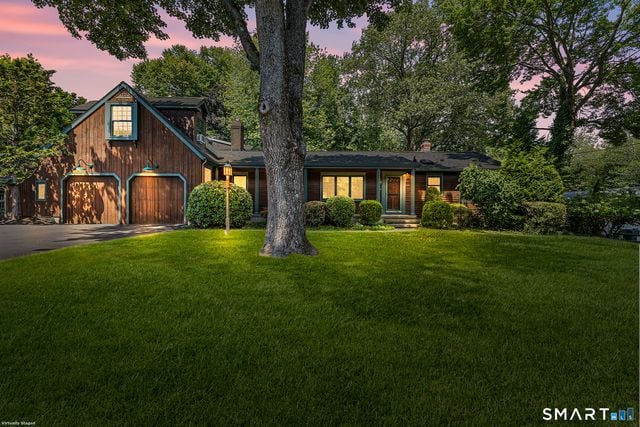
Should I Buy a House Now or Keep Renting in Connecticut?
Adam Cannon October 5, 2026
Adam Cannon October 5, 2026
If you're renting in Connecticut right now, you may be asking a question that doesn't have an obvious answer:
Should I buy a house now or keep renting?
Buying can give you the opportunity to build equity, create more stability, and make a home your own. Renting can offer flexibility, fewer maintenance responsibilities, and potentially a lower monthly cost.
Neither option is automatically better.
The right decision depends on what buying would actually cost you, how long you expect to stay, how much savings you have, and what you want your finances to look like after you move.
It depends on the specific home and rental you're comparing.
One of the biggest mistakes is comparing monthly rent to only the principal and interest portion of a mortgage payment.
Homeowners may also pay property taxes, homeowners insurance, mortgage insurance when applicable, HOA or condo fees, utilities, maintenance, and repairs.
Buying also requires upfront cash for the down payment, closing costs, inspections, and other expenses.
So if your rent is $2,500 and a mortgage calculator shows $2,500, those two options don't necessarily cost the same.
Compare the full cost of each.
Potentially, and that's one of the major advantages of homeownership.
Part of your mortgage payment goes toward reducing your loan balance, allowing you to gradually build ownership in the property. If the home's value increases over time, appreciation can also contribute to your equity.
But home values aren't guaranteed to increase every year.
Buying should generally make sense even without assuming you'll make a large profit when you eventually sell.
No.
Rent pays for housing, flexibility, and freedom from many of the expenses and responsibilities associated with ownership.
If renting allows you to save more money, pay down debt, relocate easily, or avoid buying a home you don't actually want, it can be the better choice.
The problem isn't renting.
The question is whether continuing to rent still supports your goals better than purchasing a home would.
There isn't one magic number of years.
However, your expected timeline matters because buying and selling both involve transaction costs.
If you purchase a home and need to sell again relatively quickly, the property may not have enough time to appreciate or build sufficient equity to offset those costs.
The longer you expect to stay, the more opportunity you generally have to spread the costs of buying across several years.
If there's a strong possibility you'll relocate soon, change jobs, or need a very different type of home, renting may offer useful flexibility.
Mortgage rates absolutely affect affordability.
A higher rate increases the monthly payment associated with the same purchase price, which may reduce how much house you can comfortably afford.
But waiting for rates to fall isn't a guaranteed strategy.
If rates eventually decrease, buyer demand could increase. Home prices and inventory can also change while you're waiting.
Instead of asking whether today's mortgage rate is historically ideal, ask whether today's payment works for you.
Never buy a house that only becomes affordable if you're able to refinance later.
That's possible.
Real estate markets change, and no one can guarantee that a home purchased today will be worth more next year.
This is another reason your ownership timeline matters.
If you're buying a home you can comfortably afford and expect to own for years, short-term price fluctuations may be less important than they would be if you planned to sell almost immediately.
Don't buy because you're afraid prices will rise forever. But don't assume waiting guarantees you'll get the same house cheaper later either.
Think beyond the down payment.
You'll also need to consider closing costs and other transaction expenses, and ideally you'll still have savings available after closing.
Once you own the home, you're responsible when the water heater fails, an appliance stops working, the roof needs attention, or another unexpected expense appears.
Buying shouldn't require draining every dollar you've saved simply to reach closing day.
A slightly less expensive home with comfortable cash reserves may put you in a stronger position than purchasing at your absolute maximum.
Then continuing to rent deserves serious consideration.
Suppose you have a below-market rental that allows you to save aggressively every month. Giving that up for a substantially higher housing payment may not make sense simply because you feel like you're "supposed" to own a home by now.
Look at what you're doing with the difference.
If renting for another year allows you to build a stronger down payment, emergency fund, or financial position, waiting may have real value.
Just make sure you're making an intentional decision rather than indefinitely postponing a goal you're already financially prepared to pursue.
Buying may become more attractive when you have stable income, sufficient savings, a comfortable monthly budget, and expect to remain in the area for the foreseeable future.
It also matters whether you can find a property that genuinely works for you.
Buying a house you already know you'll want to leave in two years simply to stop renting can defeat the purpose.
The right home should make sense beyond the fact that you can qualify for the mortgage.
First-time buyers don't necessarily need a 20% down payment, and different mortgage programs may offer lower down payment options depending on eligibility.
But being able to purchase with less money down doesn't automatically mean you're ready.
Consider your monthly payment, cash reserves, other debt, job stability, expected maintenance, and how comfortable you'll feel taking on the responsibilities of homeownership.
The goal isn't simply qualifying to buy.
It's being comfortable owning the home afterward.
Maybe, but define what "better" actually means.
Are you waiting for lower mortgage rates? Lower home prices? More inventory? Less competition?
Ideally, buyers would get all four at once. Real housing markets rarely cooperate that neatly.
A change that helps buyers in one way can create pressure somewhere else. Lower rates, for example, may improve borrowing costs while also encouraging more buyers to enter the market.
Trying to identify the perfect moment can keep you waiting for conditions that may never arrive together.
Keep renting if buying would stretch your finances, you need flexibility, you're unsure where you want to live, or you need more time to build savings.
Consider buying if you're financially prepared, expect to stay for several years, can maintain savings after closing, and find a Connecticut home with a total monthly cost you're comfortable carrying.
Most importantly, don't make the decision because someone tells you renting is wasting money or because you're afraid you'll miss your chance to buy.
The best time to buy isn't when the market is perfect. It's when homeownership makes sense for your finances, your plans, and the life you're actually living.
Adam Cannon, Realtor
Coldwell Banker Realty | West Hartford
Stay up to date on the latest real estate trends.

Whether buying, selling, or exploring your options, I am ready to help you achieve your goals. With experience, integrity, and commitment, I’m the partner you can count on for exceptional real estate results.