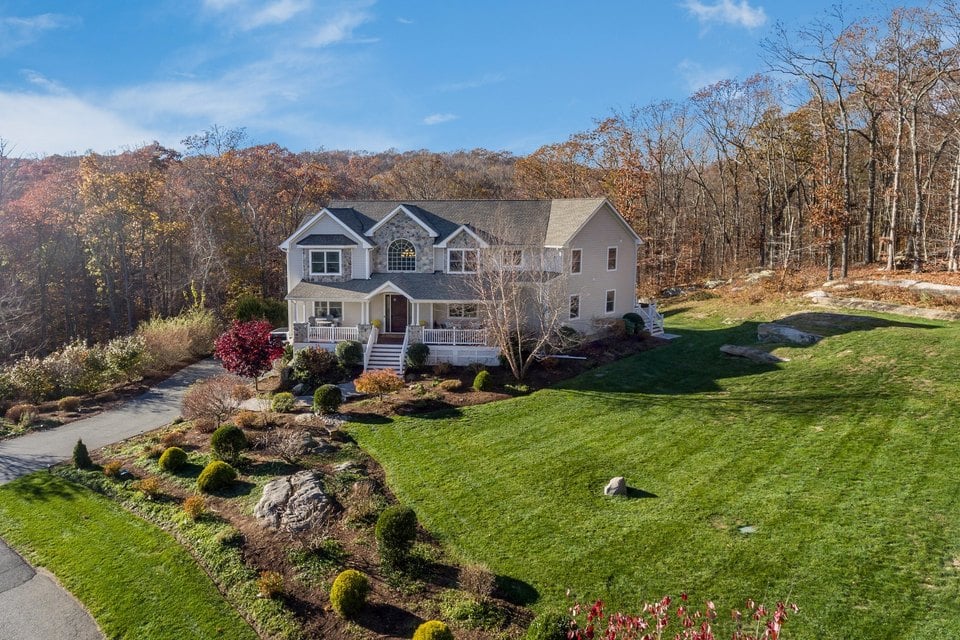
When Should You Stop Renting and Buy a Home?
Adam Cannon August 10, 2026
Adam Cannon August 10, 2026
At some point, many renters start wondering whether they're throwing money away each month or if it's finally time to buy a home.
The answer isn't as simple as comparing your monthly rent to a potential mortgage payment.
Buying a home is a much bigger financial and lifestyle decision. The right time to make the transition depends on your income, savings, debt, future plans, and whether you're ready for the responsibilities that come with owning a property.
So how do you know when you're actually ready to stop renting and buy?
One of the strongest signs that you may be ready to buy is financial stability.
That doesn't mean you need a perfect credit score or an enormous amount of money sitting in the bank. However, consistent income, manageable debt, and a realistic understanding of your monthly expenses can make homeownership much easier to manage.
You'll also want to consider more than your down payment. Buyers should prepare for closing costs and ideally have savings remaining after closing for emergencies, maintenance, and unexpected expenses.
Being able to purchase a home doesn't necessarily mean you're financially comfortable owning one. The goal should be a monthly payment that leaves room for the rest of your life.
Renting offers flexibility that's difficult to replicate with homeownership.
If you expect to relocate for work next year or aren't sure where you want to live long term, renting may still make sense.
Buying becomes more attractive when you expect to remain in the same area for several years. Staying longer gives you more time to build equity and makes the upfront costs associated with purchasing a home easier to justify.
If you already know you want to put down roots in West Hartford, Farmington, Avon, Simsbury, or another Hartford County community, it may be worth exploring what buying would look like.
It's tempting to compare a $2,500 rent payment directly with a $2,500 mortgage payment.
Unfortunately, the comparison isn't that simple.
Homeowners may also pay property taxes, homeowners insurance, utilities, maintenance costs, and potentially HOA fees. Depending on your mortgage, some of these expenses may be incorporated into your monthly payment, while others need to be budgeted separately.
Renters often have fewer unexpected property expenses because major repairs are typically the landlord's responsibility.
When deciding whether to buy, compare the total cost of ownership with the cost of continuing to rent.
When the water heater stops working in a rental, you call the landlord.
When you own the house, it's your responsibility.
Homeownership comes with regular maintenance, seasonal upkeep, repairs, and eventually larger projects like replacing appliances, roofing, or mechanical systems.
For many people, having control over their property makes those responsibilities worthwhile. You can renovate, decorate, landscape, and improve the home however you choose.
But it's still important to understand what you're signing up for.
One of the biggest differences between renting and owning is the opportunity to build equity.
As you pay down your mortgage and your home's value potentially increases over time, you may gradually build ownership in an asset that can become an important part of your long-term financial picture.
That doesn't mean buying a home guarantees a profit. Real estate values fluctuate, and buying and selling both involve expenses.
However, buyers planning to remain in their homes for the long term may benefit from years of principal payments and potential appreciation.
Some renters delay buying because they're waiting for mortgage rates to drop, home prices to fall, or inventory to increase dramatically.
Market conditions certainly matter, but trying to identify the perfect moment can be difficult.
A better question is whether buying makes sense for you right now.
Can you comfortably afford the payment? Do you have adequate savings? Have you found an area where you'd like to stay? Does homeownership support your long-term goals?
Those factors may ultimately matter more than trying to predict exactly what the housing market will do next.
There's no deadline for becoming a homeowner.
Renting can make perfect sense when you value flexibility, aren't ready for maintenance responsibilities, or want additional time to strengthen your finances. Buying can make sense when you're financially prepared, ready to settle into a community, and want the stability and long-term opportunities homeownership can provide.
If you're considering making the transition from renting to buying in Hartford County or the Farmington Valley, start by understanding your budget and exploring what homes are actually available within it.
You don't need to know with absolute certainty that you're ready before beginning the conversation. Sometimes seeing the numbers and understanding your options is exactly what helps you decide.
Adam Cannon, Realtor
Coldwell Banker Realty | West Hartford
Stay up to date on the latest real estate trends.


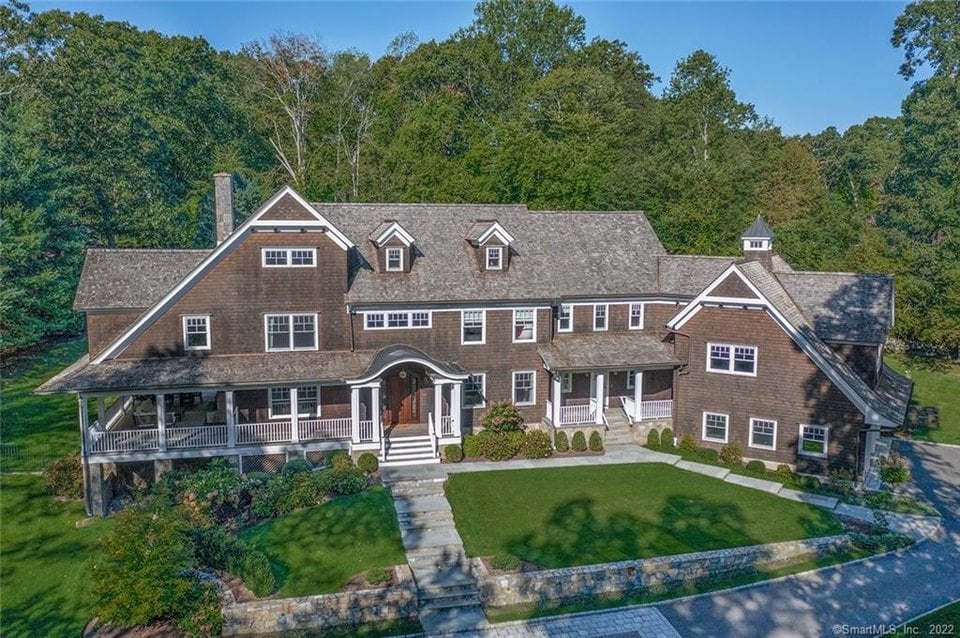
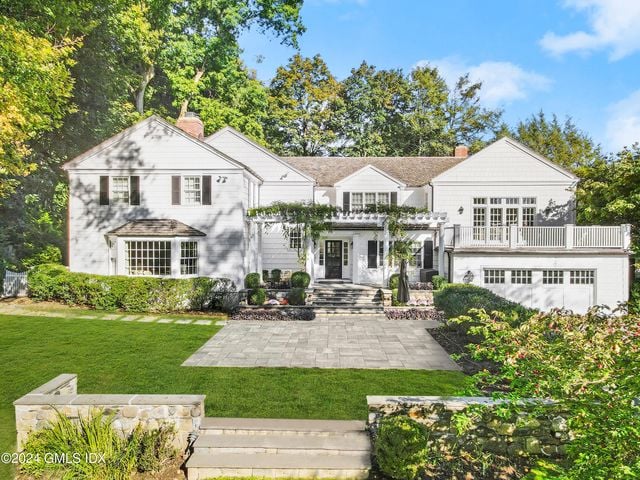
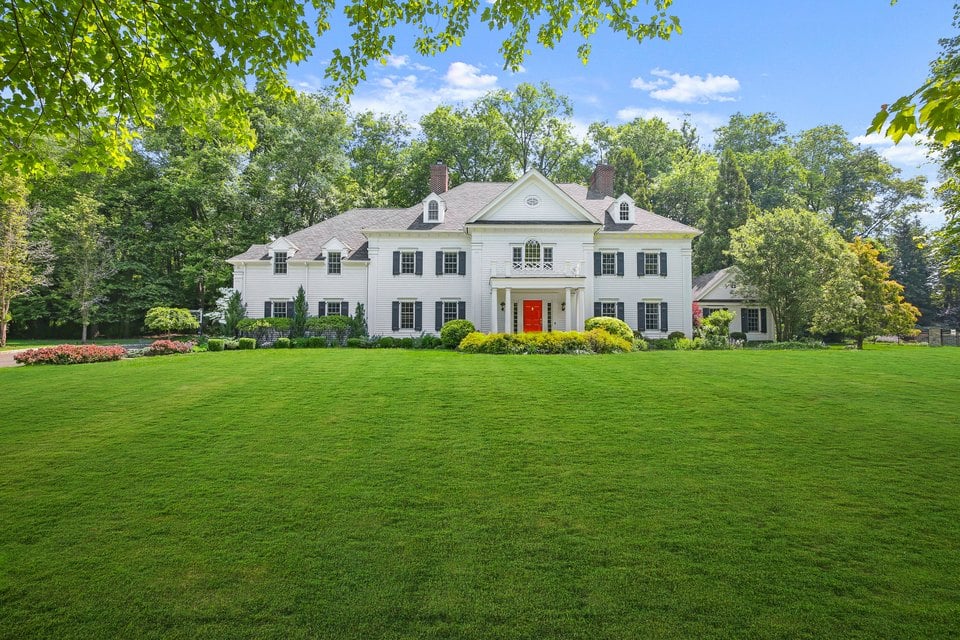
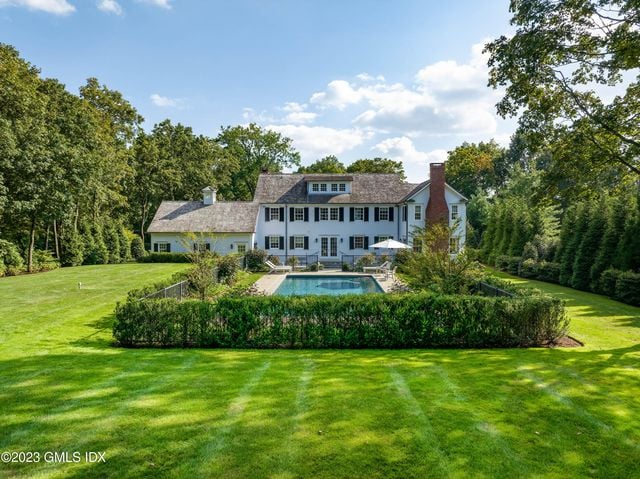
Whether buying, selling, or exploring your options, I am ready to help you achieve your goals. With experience, integrity, and commitment, I’m the partner you can count on for exceptional real estate results.