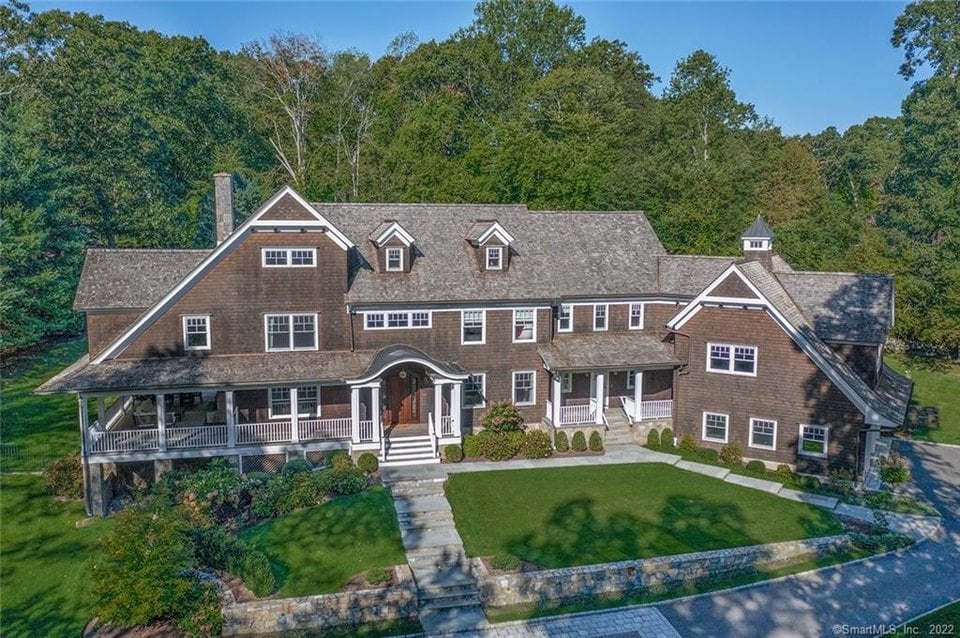
Is New Construction Worth the Higher Price?
Adam Cannon September 21, 2026
Adam Cannon September 21, 2026
You're searching for a home in the Farmington Valley and have two very different options.
One is brand new. Modern kitchen, new mechanicals, energy efficient features, and nothing that looks like it needs to be replaced anytime soon.
The other is an existing home at a similar price. Maybe it's larger. Maybe it has more land. Maybe it's in an established neighborhood you love, but the kitchen is older and the roof isn't going to last forever.
Which is the better buy?
New construction often comes with a premium, but whether that premium is worth paying depends on what you're actually getting for the additional money.
Part of the appeal is obvious.
Everything is new.
Instead of wondering how many years are left on the roof, heating system, water heater, windows, or appliances, you're starting at the beginning of their useful lives.
That can make your early years of homeownership more predictable.
Newer construction may also offer better insulation, modern windows, efficient heating and cooling equipment, updated electrical systems, and layouts designed around how people live today.
For a buyer who doesn't want to spend the first five years tackling projects, those benefits can have real value.
This is where buyers need to pay attention.
A new construction home advertised at a certain price may not include everything you're picturing when you imagine the finished property.
Depending on the builder and development, certain flooring, countertops, cabinetry, appliances, lighting, fixtures, landscaping, decks, finished lower levels, or other features may be upgrades.
There may also be premiums associated with particular lots or locations within a development.
Individually, upgrades may seem manageable.
Collectively, they can move the final purchase price considerably higher than the number that originally caught your attention.
Before comparing new construction with an existing home, understand what the quoted price actually includes.
An existing Farmington Valley home may not have the brand new finishes, but it could offer something that's difficult to recreate.
More acreage.
Mature trees.
Established landscaping.
A larger home.
A finished basement.
A pool.
A neighborhood or location where new construction simply isn't available.
This is why comparing homes based only on age can be misleading.
You may be choosing between a newer house and a property that gives you more of something else you value.
A brand new home shouldn't require the same immediate capital improvements as an older property, but it still needs maintenance.
Lawns need care.
Gutters need cleaning.
HVAC systems need servicing.
Driveways, decks, landscaping, and exterior components still require attention over time.
You should also understand any builder warranties, what they cover, how long they last, and the process for addressing issues after closing.
New construction can reduce certain near term maintenance concerns.
It doesn't eliminate homeownership expenses.
When touring a resale home, you're generally seeing the property as it exists.
With new construction, some costs may still be ahead of you.
Will the yard be fully landscaped?
Are window treatments included?
Does the home come with the appliances you expect?
Is there a deck or patio?
Is the basement finished?
What about fencing?
Those aren't necessarily reasons to avoid new construction.
They're simply part of calculating the real cost of getting the home to the point where you want it.
One potential advantage of newer construction is improved energy efficiency.
New homes may incorporate modern insulation, windows, appliances, and heating and cooling systems that weren't standard when many older Farmington Valley homes were built.
But don't assume every new home will automatically have low utility costs.
Square footage, ceiling height, household habits, heating source, thermostat settings, and other factors still affect energy use.
If operating costs are important to you, ask about the specific features included in the home rather than relying on its age alone.
Buying a completed resale home generally gives you a relatively clear picture of what you're purchasing and when you'll receive it.
Building can be different.
Construction schedules can change because of materials, labor, weather, inspections, or other factors.
If you're also selling another home, ending a lease, scheduling movers, or trying to move before a particular date, that uncertainty matters.
A beautiful new house may be worth waiting for.
Just make sure your timeline has enough flexibility to handle changes.
Don't assume a new home doesn't need to be inspected simply because nobody has lived there.
New construction involves many trades, systems, and stages of work.
Buyers should understand what inspection opportunities are available during the process and what protections are included in their contract.
The goal isn't to treat a new home like something is wrong with it.
It's to perform appropriate due diligence on a major purchase.
This is one of the easiest ways to make the decision clearer.
Imagine owning each property for five years.
With the new construction home, what will you spend after closing to add features or finishes that weren't included?
With the resale home, which systems or improvements are likely to need attention?
Maybe the resale home costs $50,000 less but you already know you'll want to renovate the kitchen and replace an aging roof.
Maybe the new home costs $75,000 more but still needs landscaping, a finished basement, and other upgrades you assumed were included.
Now the comparison looks different.
Sometimes absolutely.
For a buyer who values modern design, efficiency, customization, newer systems, and fewer immediate projects, paying more for new construction may make sense.
For another buyer, the premium may be better spent on an existing home with more land, a better location, additional square footage, or improvements that have already been completed.
Neither option is automatically the better investment.
The important question is whether the features you're paying extra for are the features you actually value.
If you're comparing new construction and resale homes in Avon, Simsbury, Farmington, Canton, Granby, or elsewhere in the Farmington Valley, I can help you evaluate both options, compare recent sales, and look at what you're actually getting for your budget before you decide.
Adam Cannon, Realtor
Coldwell Banker Realty | West Hartford
Stay up to date on the latest real estate trends.
Whether buying, selling, or exploring your options, I am ready to help you achieve your goals. With experience, integrity, and commitment, I’m the partner you can count on for exceptional real estate results.