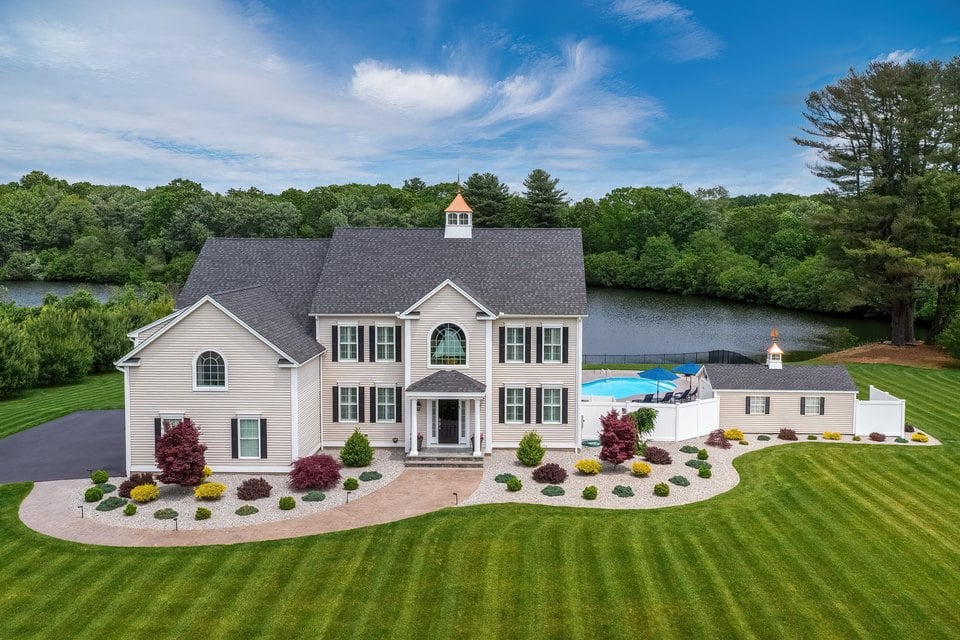
Is a Bigger Down Payment Always Better When Buying a Home?
Adam Cannon August 20, 2026
Adam Cannon August 20, 2026
When you're saving to buy a home, putting down as much money as possible can seem like the obvious goal.
After all, a larger down payment means borrowing less money. That can potentially reduce your monthly mortgage payment, decrease the amount of interest you pay over time, and affect other costs associated with your loan.
So does that mean a bigger down payment is always better?
Not necessarily.
The right down payment isn't simply the largest amount you can afford to hand over at closing. Buyers should also consider their monthly budget, loan options, available savings, and how much money they'll have left once the home is theirs.
One of the clearest benefits of putting more money down is reducing the amount you need to finance.
If two buyers purchase homes at the same price but one makes a larger down payment, that buyer will generally have a smaller mortgage balance.
Depending on the loan terms, that can mean a lower monthly principal and interest payment.
For buyers focused on keeping their ongoing housing expenses manageable, putting additional money down can therefore be appealing.
Borrowing less money can also reduce the total amount of interest you pay over the life of your mortgage.
The exact difference depends on your loan amount, mortgage rate, and how long you keep the loan.
This is one reason buyers who have substantial savings sometimes choose to make a larger down payment even when their loan program doesn't require it.
However, long-term interest savings are only one part of the financial picture.
The idea that you need 20% down to buy a house remains one of the most common misconceptions among buyers.
Many mortgage programs allow qualified buyers to purchase with less.
The implications of putting down less than 20% vary depending on the loan. Certain financing options may involve mortgage insurance or other requirements, while others are structured differently.
Instead of assuming you need to reach a particular percentage before beginning your home search, speak with a mortgage professional about the programs available to you.
You may have more options than you realize.
This is where the "bigger is always better" idea can become problematic.
Imagine you have enough savings to make a significantly larger down payment, but doing so would leave almost nothing in the bank after closing.
You'd own more equity in the home immediately, but what happens if the water heater fails a month later?
What if you need to replace an appliance, make an unexpected repair, pay moving expenses, or handle an unrelated financial emergency?
Homeownership comes with expenses beyond the mortgage payment. Maintaining some liquidity after closing can be just as important as reducing the amount you borrow.
The property you're purchasing should also influence your decision.
If you're buying an older home with a roof, furnace, or other major system that may require replacement within the next few years, keeping additional savings available could be particularly valuable.
A recently constructed or extensively updated property may present a different financial picture.
Your home inspection can help identify potential upcoming expenses so you can decide how much cash you're comfortable committing to the purchase.
In some transactions, the financing structure of an offer may also matter to a seller.
However, a larger down payment doesn't automatically make one offer better than another. Sellers may consider price, contingencies, financing strength, closing timeline, and several other terms when comparing offers.
Your down payment should ultimately be based on what makes sense for your financial situation rather than simply trying to make the number look impressive.
Before deciding, ask your lender to show you what different options would actually look like.
For example, compare the estimated monthly payment and cash required at closing with several different down payment amounts.
Then look at how much savings you'd retain under each scenario.
Seeing those numbers side by side can make the decision much clearer than simply assuming the largest down payment must be best.
Money used for a down payment becomes equity in your home, but it also becomes less immediately accessible.
Buyers may have other priorities, including maintaining an emergency fund, paying down higher-interest debt, preparing for renovations, or preserving savings for other goals.
That doesn't mean you should automatically make the smallest possible down payment either.
It means the decision should be considered alongside the rest of your financial life.
There's no universal percentage that's right for every buyer.
For one person, putting 20% or more down may create the monthly payment and financial structure they want. Another buyer may be better served by making a smaller down payment and keeping additional cash available after closing.
Your loan program, mortgage rate, savings, income, debts, property condition, and future plans should all factor into the decision.
If you're preparing to buy a home in West Hartford, the Farmington Valley, or elsewhere in Hartford County, understanding your financing options before you begin making offers can help you shop with a much clearer picture of what you can comfortably afford.
A bigger down payment can absolutely have benefits. But the best down payment isn't necessarily the biggest one.
It's the one that allows you to purchase the right home while remaining financially comfortable after you receive the keys.
Adam Cannon, Realtor
Coldwell Banker Realty | West Hartford
Stay up to date on the latest real estate trends.
Whether buying, selling, or exploring your options, I am ready to help you achieve your goals. With experience, integrity, and commitment, I’m the partner you can count on for exceptional real estate results.