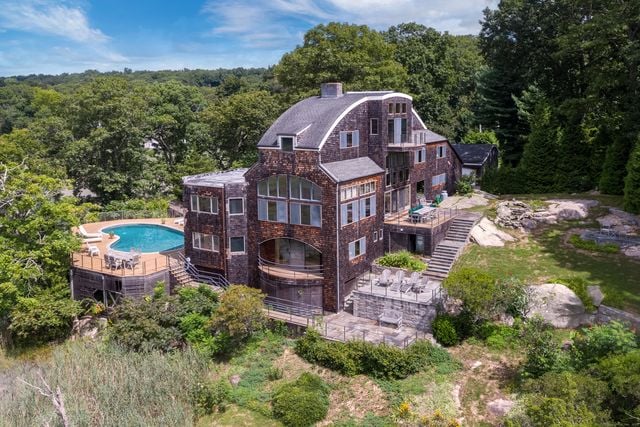
How Is Negotiating a Luxury Home Different?
Adam Cannon August 19, 2026
Adam Cannon August 19, 2026
Negotiation is part of almost every real estate transaction, but purchasing a luxury home can introduce an entirely different set of considerations.
At higher price points, properties tend to become more unique. There may be fewer comparable sales, more specialized features, larger differences in condition and craftsmanship, and fewer directly competing homes.
That can make answering a seemingly simple question much more difficult:
What should you actually offer?
For buyers considering luxury real estate in Connecticut, successful negotiation is rarely about trying to get the largest possible discount. It's about understanding the property's true value, the seller's position, current market conditions, and which terms matter most in the transaction.
Determining market value is usually one of the first challenges.
In a neighborhood where dozens of similar homes have recently sold, comparable sales can provide a relatively clear picture of value.
Luxury real estate often isn't that straightforward.
One property may offer several acres and exceptional privacy. Another may have superior custom construction. A third could command a premium because of its architecture, location, views, or extensive renovations.
Even homes with similar square footage can have dramatically different values.
Comparable sales still matter, but evaluating a luxury property often requires looking much deeper than price per square foot.
Buyers sometimes assume that an expensive home automatically has more room for negotiation.
That's not necessarily true.
A luxury property can be priced competitively and attract significant interest just like any other home. Another may have been on the market longer and offer more negotiating flexibility.
The property's asking price, days on market, recent comparable sales, condition, buyer activity, and seller motivation should all be considered together.
A high price alone doesn't tell you whether a seller is likely to negotiate.
The purchase price gets the most attention, but it isn't the only part of an offer.
Closing dates, financing terms, inspection contingencies, deposits, included items, and other contract terms can all influence how a seller evaluates an offer.
This can become particularly important with luxury properties where the transaction may involve specialty fixtures, custom furnishings, generators, pool equipment, extensive outdoor features, or other items buyers may want clarified before closing.
Understanding which terms matter most to you and which may matter most to the seller can create additional opportunities for negotiation.
Luxury homes often have more components to evaluate.
Pools, multiple HVAC zones, generators, sophisticated electrical systems, extensive landscaping, specialty roofing, elevators, smart-home technology, wells, septic systems, and other features may require additional attention during the inspection period.
A large inspection report doesn't necessarily mean a luxury property has been poorly maintained. A larger and more complex home simply has more components to evaluate.
When issues are discovered, buyers should consider their significance, expected repair costs, and the overall condition of the property before determining what to request from the seller.
A property's price point doesn't eliminate the human side of a transaction.
Some sellers prioritize achieving a particular price. Others care more about timing, certainty, privacy, or a smooth closing.
Understanding those priorities can be valuable when structuring an offer.
A buyer who can accommodate a seller's preferred timeline, for example, may create an attractive offer without necessarily being the highest bidder.
Strong negotiation is often about discovering where the buyer's and seller's priorities can align.
Luxury homes are often designed to create an emotional reaction.
An exceptional view, dramatic architecture, beautiful grounds, or a one-of-a-kind interior can make buyers feel like they've found something impossible to replace.
Sometimes they have.
But it's still important to separate emotional attachment from financial analysis.
Before increasing an offer or accepting unfavorable terms, understand why the property commands its price and whether the premium makes sense within the broader market.
You can love a home while still evaluating it objectively.
Luxury real estate is highly local.
A high-end home in West Hartford may derive significant value from its neighborhood, architectural character, renovations, and proximity to amenities.
In Avon, Farmington, Simsbury, Canton, or Granby, buyers may place greater emphasis on acreage, privacy, views, custom construction, or the property's overall setting.
Those differences matter when determining both value and negotiating strategy.
The same approach won't necessarily work for every luxury property, even when the homes have similar asking prices.
It's tempting to measure a successful negotiation by how far below asking price you purchased the home.
That can be misleading.
If an exceptional property is priced appropriately and has multiple interested buyers, securing it at asking price may be an excellent outcome. If another property is significantly overpriced, even a substantial discount may not represent good value.
The better question is whether the final price and terms make sense for the property you're buying.
There isn't a universal formula for negotiating a luxury home.
The right strategy depends on the property, local market, seller, competition, financing, inspection findings, and your own priorities.
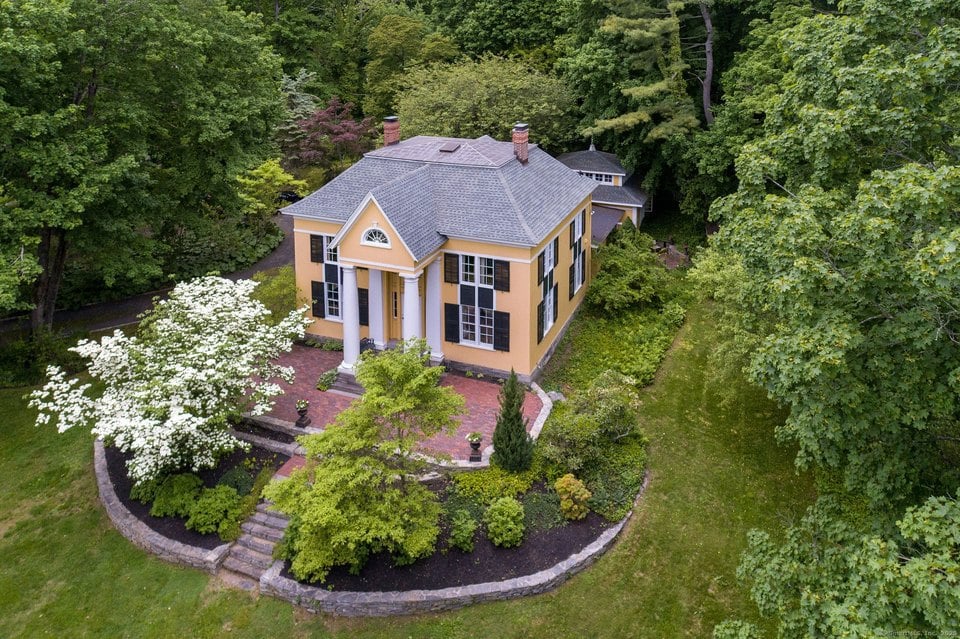
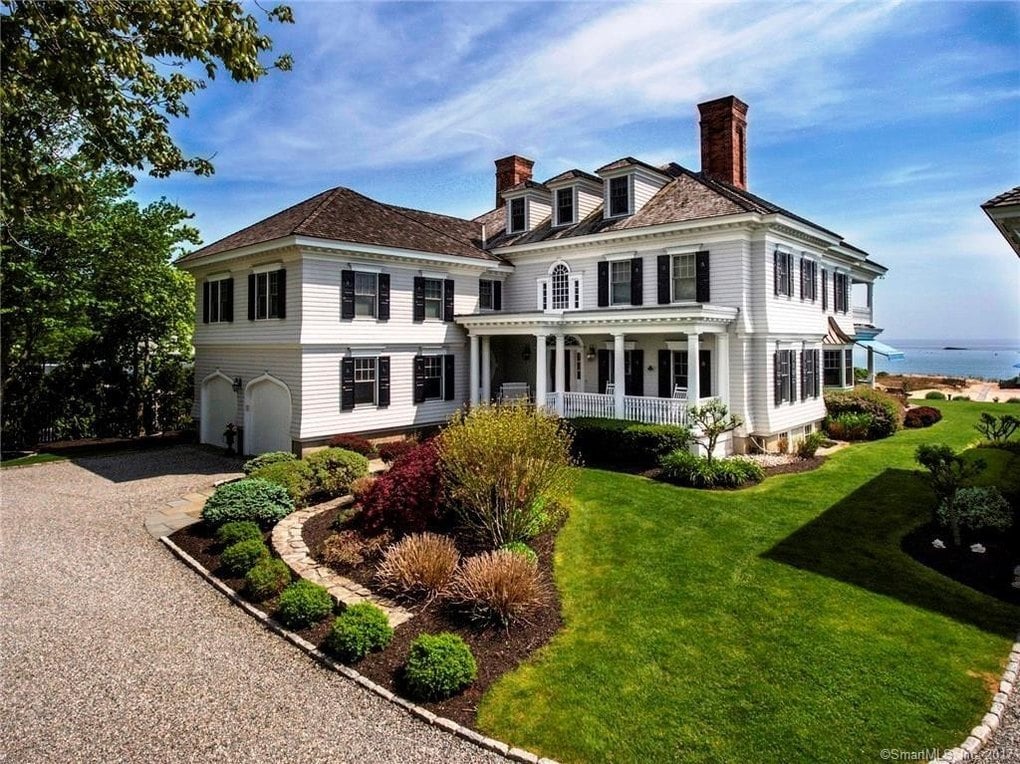
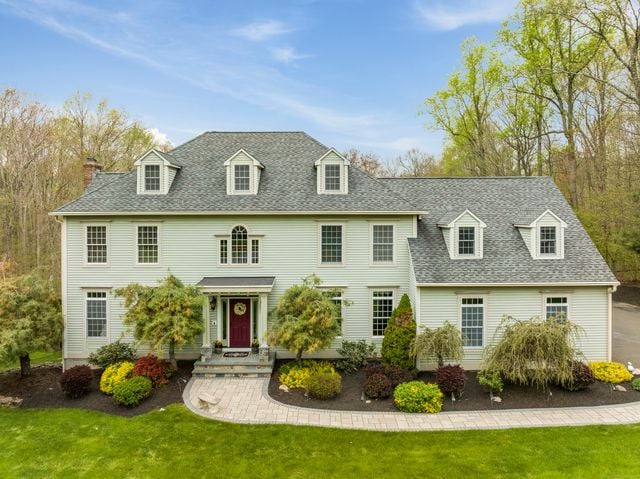
That's especially true throughout Hartford County and the Farmington Valley, where luxury properties can range from historic residences and extensively renovated homes to custom estates on significant acreage.
Understanding what makes a particular property valuable and how it compares with the alternatives gives you a much stronger foundation for negotiation.
Ultimately, negotiating luxury real estate isn't about winning every individual term. It's about reaching an agreement that allows you to purchase the right property at a price and under terms that make sense for you.
Adam Cannon, Realtor
Coldwell Banker Realty | West Hartford
Stay up to date on the latest real estate trends.
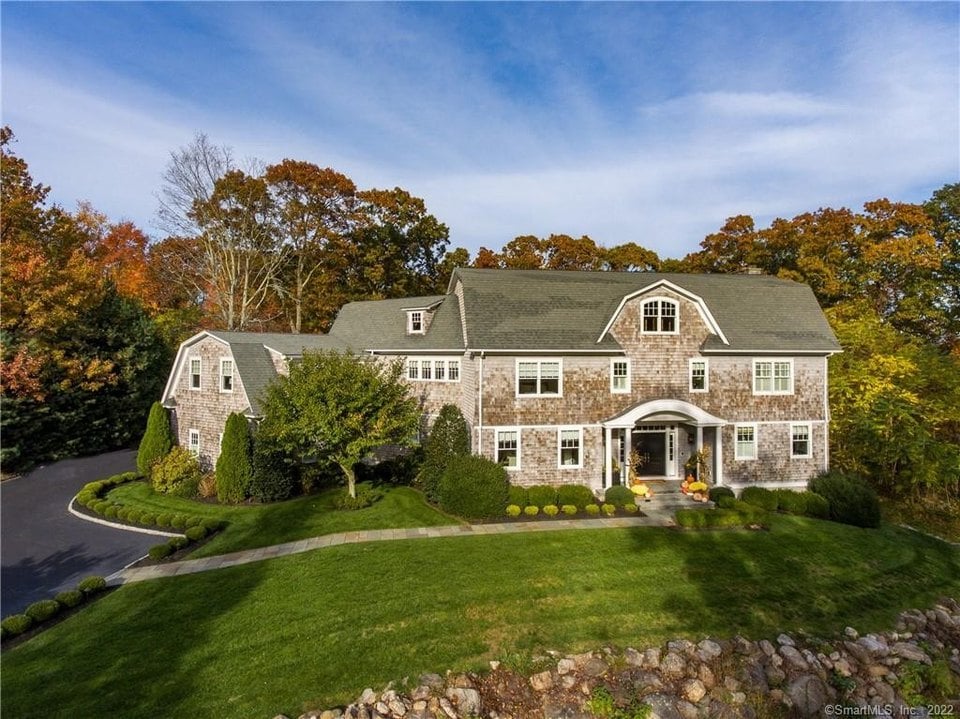
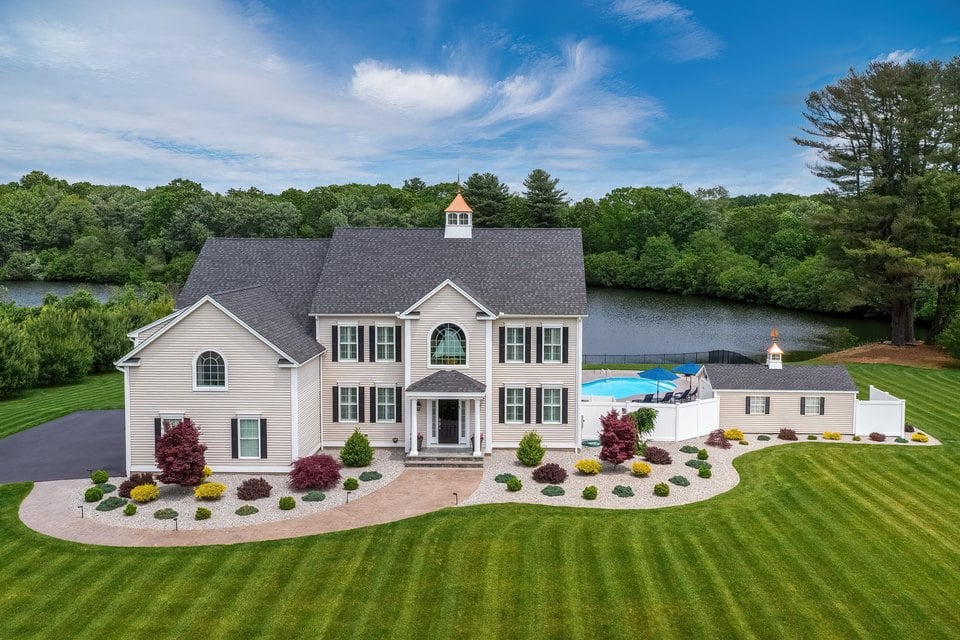
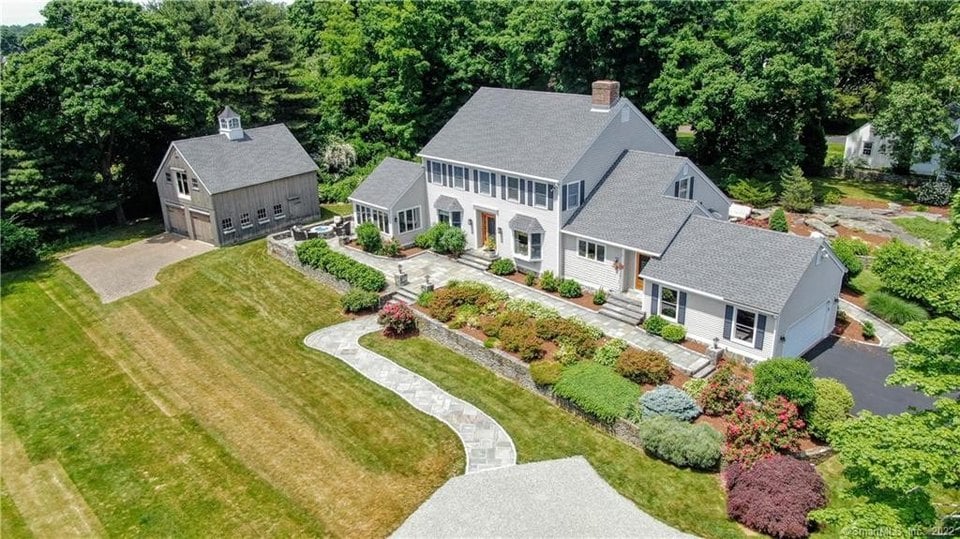
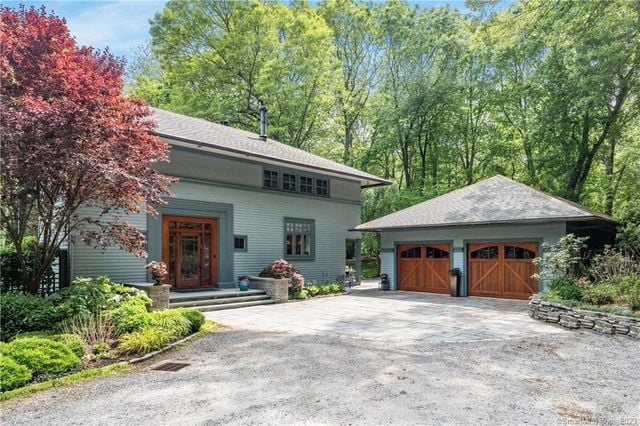
Whether buying, selling, or exploring your options, I am ready to help you achieve your goals. With experience, integrity, and commitment, I’m the partner you can count on for exceptional real estate results.