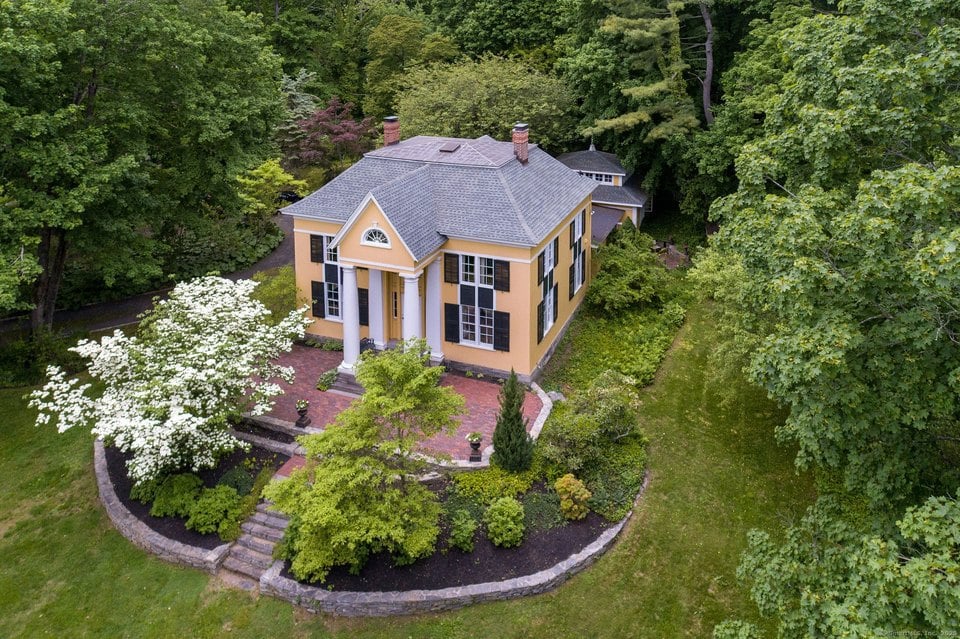
How Do I Know If My House Is Priced Too High?
Adam Cannon August 21, 2026
Adam Cannon August 21, 2026
You put your house on the market expecting showings, interested buyers, and hopefully an offer. Instead, activity is slower than expected.
At some point, you may start wondering: How do I know if my house is priced too high?
An overpriced home doesn't always sit completely untouched. You might still receive online views, showing requests, and even positive feedback. The more important question is whether that attention is turning into serious buyer interest.
Fortunately, the market usually provides signals. Looking at showing activity, buyer behavior, competing listings, and recent sales can help determine whether your asking price is aligned with what buyers are willing to pay.
One of the clearest signs that your house may be priced too high is a lack of showing activity.
Most buyers begin their search online. They're comparing your home with other properties available within a similar price range before deciding which ones are worth seeing in person.
If your listing is appearing in searches but buyers consistently choose other homes to tour, price may be part of the problem.
That doesn't mean every home should receive dozens of showings immediately. Buyer demand varies by location, property type, price range, and current market conditions.
The important comparison is how similar homes are performing at the same time.
If comparable properties nearby are receiving consistent activity while yours isn't, that's information worth paying attention to.
What if buyers are touring the home but nobody is making an offer?
That can also be a pricing signal.
Showing activity means buyers saw enough value online to visit the property. If they repeatedly leave without taking the next step, they may feel the home doesn't offer enough value compared with their other options.
Maybe they like the location but believe another home provides more updates for the money. Perhaps they like the house but anticipate spending significantly on improvements after purchasing it.
Buyers don't evaluate your asking price in isolation. They're constantly comparing your property with everything else they could purchase for roughly the same amount.
If multiple qualified buyers tour the home and none are willing to make an offer, it's worth examining why.
Your competition provides some of the most useful pricing feedback available.
Suppose several comparable homes come onto the market around the same time as yours. Those properties begin receiving offers and going under contract while your listing remains active.
That's an important signal.
Look closely at what those homes offered and what buyers were willing to pay. Were they priced lower? More updated? In a different location? Did they have features your property doesn't?
A competing home going under contract doesn't automatically mean yours is overpriced. But if the same pattern continues across multiple comparable properties, the market may be telling you that buyers perceive greater value elsewhere.
Showing feedback isn't always detailed, but patterns matter.
One buyer saying the home feels expensive may not mean much. Several unrelated buyers making similar comments deserves more attention.
You may hear that buyers love the home but think it's priced too high for the condition. Others may say they would be interested at a different price point.
Sellers don't need to react to every individual comment, but consistent feedback can provide valuable insight into how the market perceives the property.
The goal isn't to price based on one buyer's opinion. It's to identify trends.
This is an easy trap for sellers to fall into.
Maybe you need a certain amount from the sale for the down payment on your next home. Perhaps you've invested heavily in renovations and want to recover every dollar. Or maybe a neighbor sold for a particular amount and you believe your property should be worth more.
Those considerations matter to you, but they don't determine market value.
Buyers ultimately decide what they're willing to pay based on the home, its location, condition, current competition, and recent comparable sales.
A successful pricing strategy starts with the market and works backward, rather than beginning with the amount a seller hopes to receive.
Pricing affects more than the number on the listing.
It also determines which homes buyers compare yours against.
If your house is listed at $700,000, buyers may compare it with every other property they can purchase around $700,000. If those homes consistently offer more space, better updates, larger lots, or more desirable locations, your property may struggle to compete.
This is why even a beautiful home can be overpriced.
The question isn't simply, "Is this a great house?"
It's, "How does this house compare with what buyers can purchase for the same money?"
A home taking longer to sell doesn't automatically mean it's overpriced.
Luxury properties, unusual homes, and certain price ranges naturally have smaller buyer pools. Market conditions can also affect how quickly homes sell.
But days on market should be evaluated alongside everything else.
If comparable homes are consistently selling faster while your property remains available, it's worth reassessing how the home is positioned.
The longer a listing sits, the more likely buyers are to start asking why it hasn't sold.
The best asking price isn't determined once and then forgotten.
New listings enter the market. Competing homes reduce their prices. Properties go under contract. New comparable sales close. Buyer demand changes.
All of that information can affect how your home is positioned.
If you're wondering whether your house is priced too high, look beyond days on market alone. Showing activity, buyer feedback, competing listings, recent sales, and whether buyers are actually making offers provide a much clearer picture.
If your home isn't getting the response you expected in West Hartford, Avon, Farmington, Simsbury, Canton, Granby, Manchester, Newington, Rocky Hill, South Windsor, or anywhere in Hartford County, I can review your home's current position in the market, analyze comparable properties and buyer activity, and help determine whether your pricing strategy is working or needs to be adjusted.
Adam Cannon, Realtor
Coldwell Banker Realty | West Hartford
Stay up to date on the latest real estate trends.

Whether buying, selling, or exploring your options, I am ready to help you achieve your goals. With experience, integrity, and commitment, I’m the partner you can count on for exceptional real estate results.