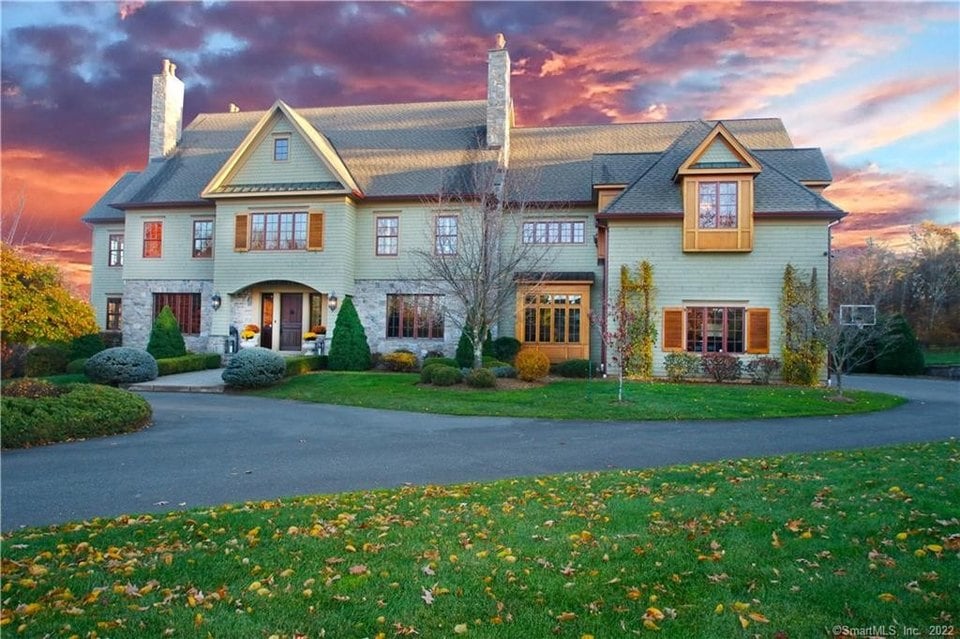
What Happens If My House Doesn't Sell?
Adam Cannon June 11, 2026
Adam Cannon June 11, 2026
Most homeowners put their house on the market expecting it to sell. They prepare the property, schedule photos, accommodate showings, and start thinking about their next move. When weeks or even months pass without an acceptable offer, it is natural to start wondering what went wrong.
The good news is that a home not selling does not automatically mean there is something wrong with the property. In many cases, the market is simply providing feedback. The challenge is understanding what that feedback means and determining whether changes should be made to improve the home's position in the market.
Throughout Hartford County communities like West Hartford, South Windsor, Manchester, Newington, and Rocky Hill, as well as Farmington Valley towns like Avon, Farmington, Simsbury, Canton, and Granby, homes sometimes stay on the market longer than sellers expect. That can happen in any market, regardless of price point, neighborhood, or property type.
The key is understanding why.
When a home receives very little activity, pricing is often one of the first factors worth evaluating.
Today's buyers have access to more information than ever before. They are comparing active listings, reviewing recent sales, tracking price reductions, and watching new inventory as it comes onto the market. Because of this, buyers usually have a strong sense of what feels competitive and what feels overpriced.
A common mistake sellers make is assuming that if their home does not sell, they simply need to wait longer for the right buyer to come along. Sometimes that happens, but more often, buyers are already sending a message through their behavior.
If very few people are scheduling showings, the issue may be how the home is positioned against competing properties. If buyers are touring the home but not making offers, the issue may involve presentation, condition, value perception, or a combination of factors.
The longer a home remains on the market without meaningful activity, the more important it becomes to evaluate whether the pricing strategy is aligned with current market conditions.
Many sellers focus heavily on the showing itself, but buyers often form opinions long before they ever visit a property.
Listing photos, property descriptions, online presentation, and first impressions play a major role in determining whether someone schedules a showing in the first place. If the home does not stand out online, buyers may move on without ever seeing it in person.
This is why photography, staging, decluttering, curb appeal, and overall presentation matter so much.
A home can be beautifully maintained, but if the photos fail to showcase its strengths, buyers may never discover what makes it special. Similarly, cluttered spaces, outdated lighting, overgrown landscaping, or deferred maintenance can create hesitation even when the underlying property is strong.
Sometimes relatively small improvements can dramatically change how buyers respond to a listing.
One of the most valuable tools sellers have is buyer feedback.
Every showing, inquiry, and conversation provides information about how the property is being perceived. While not every comment should drive major decisions, patterns are important.
For example, if multiple buyers mention that the home feels overpriced, that feedback deserves attention. If several people comment on the same maintenance issue or concern, it may be worth addressing. If buyers consistently choose competing homes instead, understanding why can help shape future strategy.
The goal is not to defend the property against criticism. The goal is to understand how buyers are evaluating it and identify opportunities to improve its appeal.
Real estate markets are ultimately driven by buyer behavior. The faster sellers recognize what the market is telling them, the easier it becomes to make effective adjustments.
Many homeowners feel discouraged if their listing agreement expires without a sale.
In reality, expired listings are far more common than people realize. A listing expiring does not mean the home is unsellable. It simply means the previous strategy did not produce the desired result.
In many cases, homes that expire later sell successfully after adjustments are made.
Sometimes the solution involves a different pricing strategy. Other times it may involve improved photography, stronger marketing, additional preparation, or a better understanding of current market conditions. Every property is different, which is why there is rarely a one size fits all solution.
What matters most is learning from the experience rather than simply repeating the exact same approach.
Many sellers assume that if a home is not selling, a dramatic change is required. That is not always true.
Sometimes improving curb appeal creates a stronger first impression. Sometimes new professional photography generates more online interest. In other situations, a strategic price adjustment opens the door to an entirely different group of buyers.
The most successful sellers are often the ones willing to evaluate the market honestly and make adjustments when necessary.
That does not mean reacting to every piece of feedback or constantly changing direction. It means understanding which changes are most likely to improve buyer response and increase overall marketability.
One of the biggest misconceptions homeowners have is believing that if a property does not sell quickly, the opportunity has passed.
The reality is that markets change, inventory levels shift, buyer demand evolves, and seller strategies improve. A home that struggled to attract attention a month ago may be positioned much more effectively today after thoughtful adjustments are made.
Many successful sales happen after sellers take a step back, evaluate the market's feedback, and make strategic improvements. What initially feels like a setback often becomes an opportunity to reposition the property more effectively.
If your home is not attracting the activity you expected, it does not automatically mean something is wrong. More often, it means there is an opportunity to refine the strategy.
If your house does not sell, it is important not to panic.
A slower sale or an expired listing does not define the property's value or future potential. In most cases, there is a reason buyers are hesitating, and identifying that reason is the first step toward solving the problem.
Whether the issue involves pricing, presentation, marketing, timing, or a combination of factors, understanding the market's feedback can help create a more effective path forward.
Many homes that initially struggle go on to sell successfully once the right adjustments are made.
If you're considering selling or wondering why your home is not generating the activity you expected, reach out anytime. A clear understanding of today's Connecticut market can help you make informed decisions and move forward with confidence.
Adam Cannon, Realtor
Coldwell Banker Realty | West Hartford
Stay up to date on the latest real estate trends.




Whether buying, selling, or exploring your options, I am ready to help you achieve your goals. With experience, integrity, and commitment, I’m the partner you can count on for exceptional real estate results.