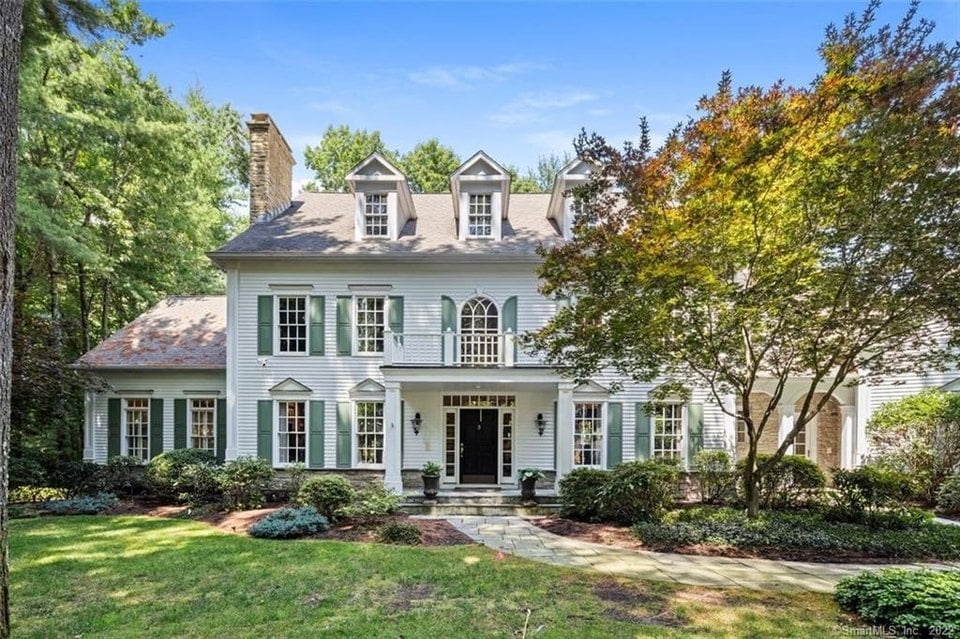
New Construction vs Existing Homes in Connecticut
Adam Cannon May 15, 2026
Adam Cannon May 15, 2026
If you are buying a home in Connecticut right now, there is a good chance you have looked at both new construction properties and existing homes and wondered which option actually makes more sense.
The answer depends heavily on your priorities, because these two types of homes offer very different experiences both financially and practically.
Some buyers immediately gravitate toward new construction because everything is brand new. Others prefer existing homes because of location, character, and overall value. Neither option is universally better. The key is understanding the tradeoffs clearly before making a decision.
One of the biggest advantages of new construction is predictability when it comes to condition and maintenance.
With a newly built home, buyers generally do not have to worry about older roofs, aging HVAC systems, outdated electrical work, or major repairs in the near future. That peace of mind is a major selling point, especially for buyers who want minimal maintenance after moving in.
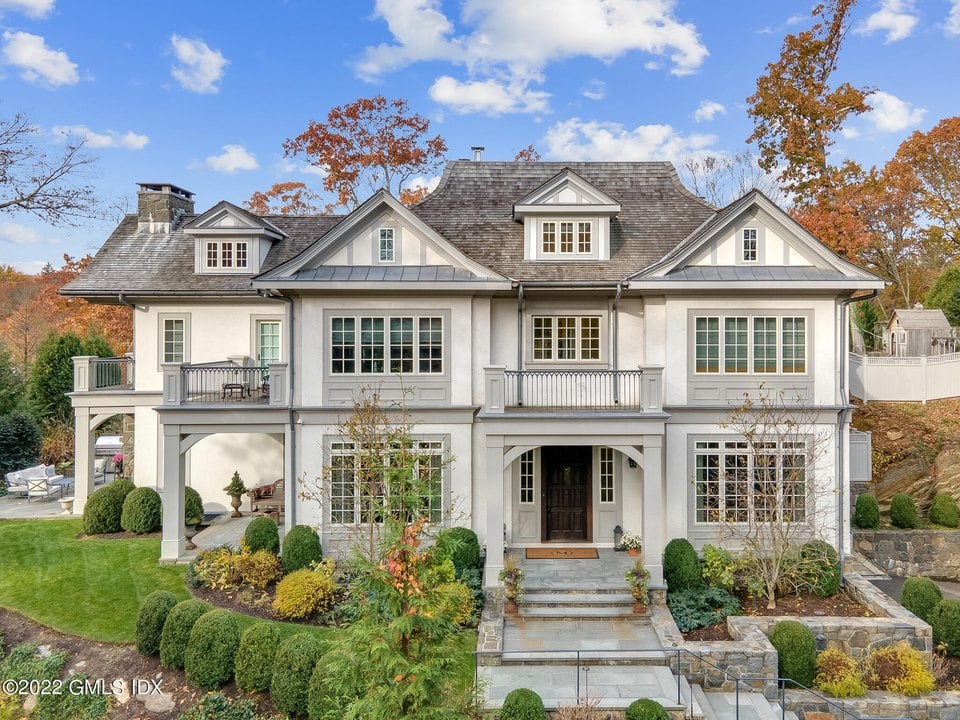
New construction homes also tend to reflect what buyers currently want in terms of layout and design. Open floor plans, larger kitchens, energy-efficient systems, higher ceilings, and modern finishes are all common features in newer builds. Many buyers also appreciate the ability to personalize finishes and upgrades during the construction process.
Energy efficiency is another factor that attracts buyers toward new construction in Connecticut. Newer homes are often built to updated energy standards, which can help reduce utility costs over time compared to older homes.
At the same time, there are tradeoffs that buyers do not always think about initially.
One of the biggest is location.
In Connecticut, many established towns like West Hartford, Farmington, and other Hartford County communities have limited space available for large-scale new construction developments. As a result, many newer developments are located farther from town centers or in expanding suburban areas rather than highly established neighborhoods.
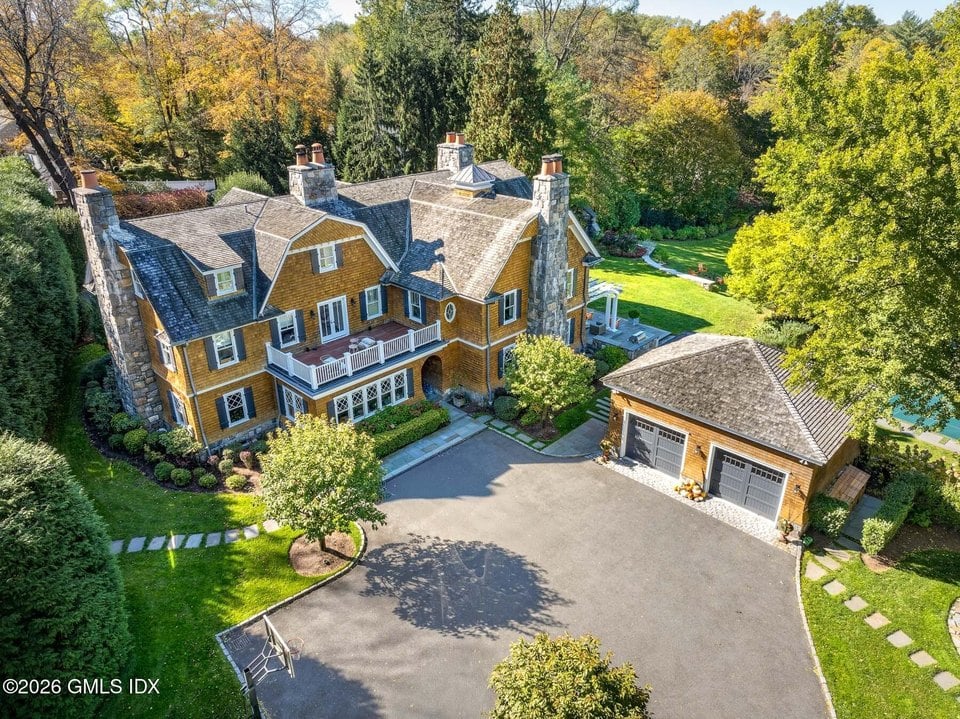
Existing homes often offer locations that are difficult to replicate with new construction. Buyers can find homes closer to restaurants, shopping, walkable areas, and long-established neighborhoods with mature landscaping and more character overall.
Lot size can also differ significantly.
Many existing homes in Connecticut sit on larger lots with more privacy and mature trees, while some newer developments prioritize maximizing the number of homes within a subdivision. Buyers who value outdoor space often notice this difference immediately.
Another factor is pricing.
Many buyers assume existing homes are automatically cheaper, but that is not always true. However, new construction pricing can become more complicated than expected because base prices often do not include many upgrades buyers ultimately choose during the building process.
Things like flooring, cabinetry, appliances, lighting, patios, and landscaping can quickly increase the final purchase price. Buyers sometimes enter the process focused on the advertised base price and later realize the finished home costs significantly more once upgrades are added.
Timeline is another major consideration.
With an existing home, buyers generally know exactly what they are getting and can move according to a relatively standard closing schedule. With new construction, timelines can shift due to labor delays, material shortages, weather, or permitting issues. Some buyers are comfortable with that flexibility, while others prefer the certainty of a traditional resale transaction.
There is also the question of character and overall feel.
Many Connecticut buyers are drawn to older homes because of architectural details, established neighborhoods, and layouts that feel different from modern developments. Others prefer the cleaner, more modern aesthetic that comes with newer construction.
The current market also affects this decision.
Because inventory remains limited in many Connecticut towns, buyers are often weighing whether waiting for new construction is worth it versus competing for existing homes that are already available. In some cases, new construction offers buyers a way to avoid multiple-offer situations. In others, existing homes may provide better value or location despite requiring some updates.
Ultimately, the better option depends on what matters most to you.
If low maintenance, modern finishes, and energy efficiency are priorities, new construction may be the stronger fit.
If location, character, established neighborhoods, and potentially more flexibility on price matter more, an existing home may make more sense.
Neither path is automatically right or wrong. The goal is understanding the advantages and compromises of each so you can choose the option that aligns best with your lifestyle, timeline, and long-term goals in today’s Connecticut market.
If you are deciding between new construction and existing homes in Connecticut, comparing both side by side in person often gives buyers the clearest perspective on what actually feels right for them before making a move.
Adam Cannon, Realtor
Coldwell Banker Realty | West Hartford
Stay up to date on the latest real estate trends.
Whether buying, selling, or exploring your options, I am ready to help you achieve your goals. With experience, integrity, and commitment, I’m the partner you can count on for exceptional real estate results.