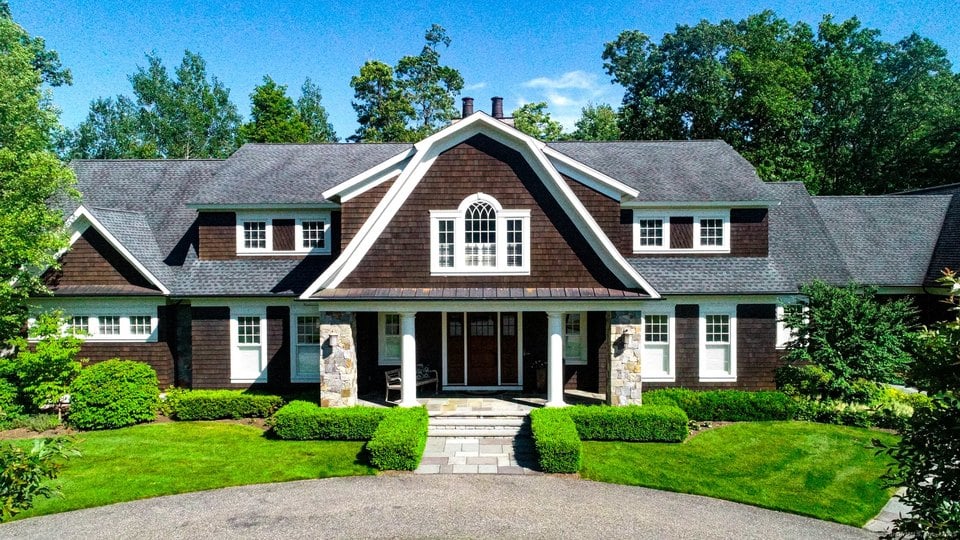
How Do Realtors Determine What My Home Is Worth?
Adam Cannon June 23, 2026
Adam Cannon June 23, 2026
One of the most common questions homeowners ask when thinking about selling is:
"How do realtors determine what my home is worth?"
It's a fair question.
After all, if you ask five different people what they think a house is worth, you may get five completely different answers. A neighbor may base their opinion on what they sold for several years ago. An online estimate may show one number. A family member may suggest something entirely different.
So how do real estate professionals actually determine value?
The answer is that pricing a home is both a science and an art. While there is plenty of data involved, determining market value is not as simple as plugging information into a calculator and receiving a perfect answer.
Instead, realtors analyze multiple factors to understand how buyers are likely to view a property in the current market.
One of the most important tools realtors use is comparable sales, often referred to as "comps."
Comparable sales are recently sold properties that are similar to the subject property in terms of:
The goal is to identify homes that a buyer would realistically compare against your property when making a purchasing decision.
For example, if someone is evaluating a colonial in West Hartford, they are unlikely to compare it to a condominium in another town or a significantly different style of home. Instead, they will focus on properties that feel like legitimate alternatives.
By studying what similar homes have actually sold for, realtors gain valuable insight into how the market is currently valuing properties.
One mistake homeowners often make is relying on sales that occurred years ago.
Markets change constantly.
A home that sold for a certain amount two or three years ago may have very little relevance to current market conditions. Interest rates, inventory levels, buyer demand, and economic factors all influence how homes are valued today.
This is why realtors generally focus on recent sales whenever possible.
The closer the sale occurred to the present day, the more useful it tends to be when evaluating current market value.
Buyers are making decisions based on today's market, not the market from several years ago.
You've probably heard the phrase "location, location, location."
While it may sound cliché, location remains one of the most important factors influencing value.
Even homes that appear nearly identical on paper can have dramatically different values based on where they are located.
Factors that may influence value include:
Throughout Hartford County and Farmington Valley, different towns and neighborhoods often attract different buyer pools. Understanding those local dynamics helps realtors position homes more accurately within the market.
Another important factor many homeowners overlook is current competition.
Recent sales help establish value, but active listings also matter because they represent the alternatives buyers are considering right now.
Imagine two nearly identical homes listed at the same time.
If one property offers more updates, better presentation, or a more competitive price, buyers may naturally gravitate toward that option.
This is why realtors evaluate not only what has sold, but also:
Pricing does not happen in a vacuum.
Your home will be judged against everything else buyers can choose from.
Not all homes with the same square footage are worth the same amount.
Condition often plays a major role.
Two homes may have identical layouts, but if one has:
while the other requires significant work, buyers are likely to value them differently.
This does not mean every seller needs to renovate before listing.
However, realtors typically consider condition and updates when determining where a property fits within the market.
The goal is understanding how buyers are likely to perceive the home's value compared to other available options.
Many homeowners begin their research by checking online home value estimates.
While these tools can provide a rough starting point, they often struggle to account for factors that significantly influence value.
Online estimates may not accurately reflect:
As a result, the estimate can sometimes be surprisingly accurate and other times significantly off.
This is one reason many homeowners are confused when an online value differs from a professional market analysis.
The software is looking primarily at data. Realtors are evaluating the property through the eyes of actual buyers.
One of the biggest misconceptions sellers have is assuming pricing and value are exactly the same thing.
They are related, but not identical.
Determining value is about understanding what the market suggests the property is worth.
Pricing strategy is about deciding how to position the property within the market.
Sometimes a home is priced directly at estimated market value.
Sometimes a pricing strategy is designed to generate maximum activity and attract multiple buyers.
Sometimes market conditions require a more conservative approach.
The right strategy depends on the seller's goals, buyer demand, inventory levels, and overall market conditions.
Determining what a home is worth involves much more than checking an online estimate or looking at the house next door.
Realtors evaluate recent sales, current competition, location, condition, buyer demand, and local market trends to develop an informed opinion of value.
The goal is not simply finding the highest number possible. The goal is understanding how buyers are likely to view the property and positioning it in a way that maximizes interest and creates the best opportunity for success.
If you're curious about what your Connecticut home may be worth in today's market, reach out anytime. A professional market analysis can provide valuable insight and help you make informed decisions before listing your property.
Adam Cannon, Realtor
Coldwell Banker Realty | West Hartford
Stay up to date on the latest real estate trends.




Whether buying, selling, or exploring your options, I am ready to help you achieve your goals. With experience, integrity, and commitment, I’m the partner you can count on for exceptional real estate results.