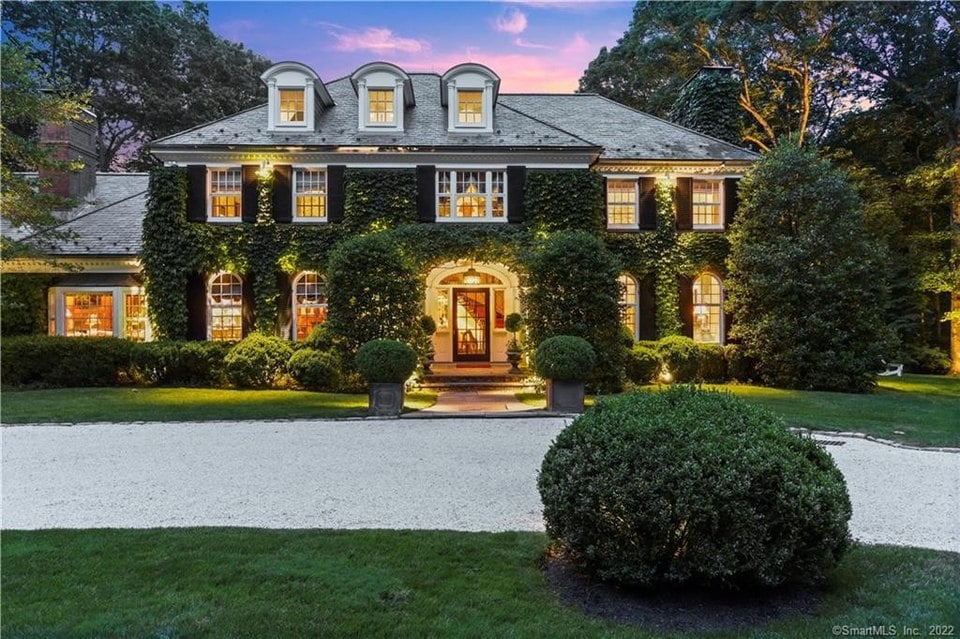
How Much Is My Luxury Home Worth in Connecticut?
Adam Cannon September 17, 2026
Adam Cannon September 17, 2026
If you own a luxury home in Connecticut and are considering selling, figuring out its value can be more complicated than pulling up an online estimate.
Luxury properties tend to have fewer truly comparable sales, and the features that separate one property from another can represent significant value.
So, how much is your luxury home actually worth?
The answer starts with recent sales, but it doesn't end there.
To estimate what a luxury property could realistically sell for, I want to understand its location, condition, acreage, architecture, amenities, privacy, updates, competition, and how buyers are responding to homes in that specific price range.
In a neighborhood of relatively similar homes, determining value can sometimes be straightforward.
Luxury real estate can be very different.
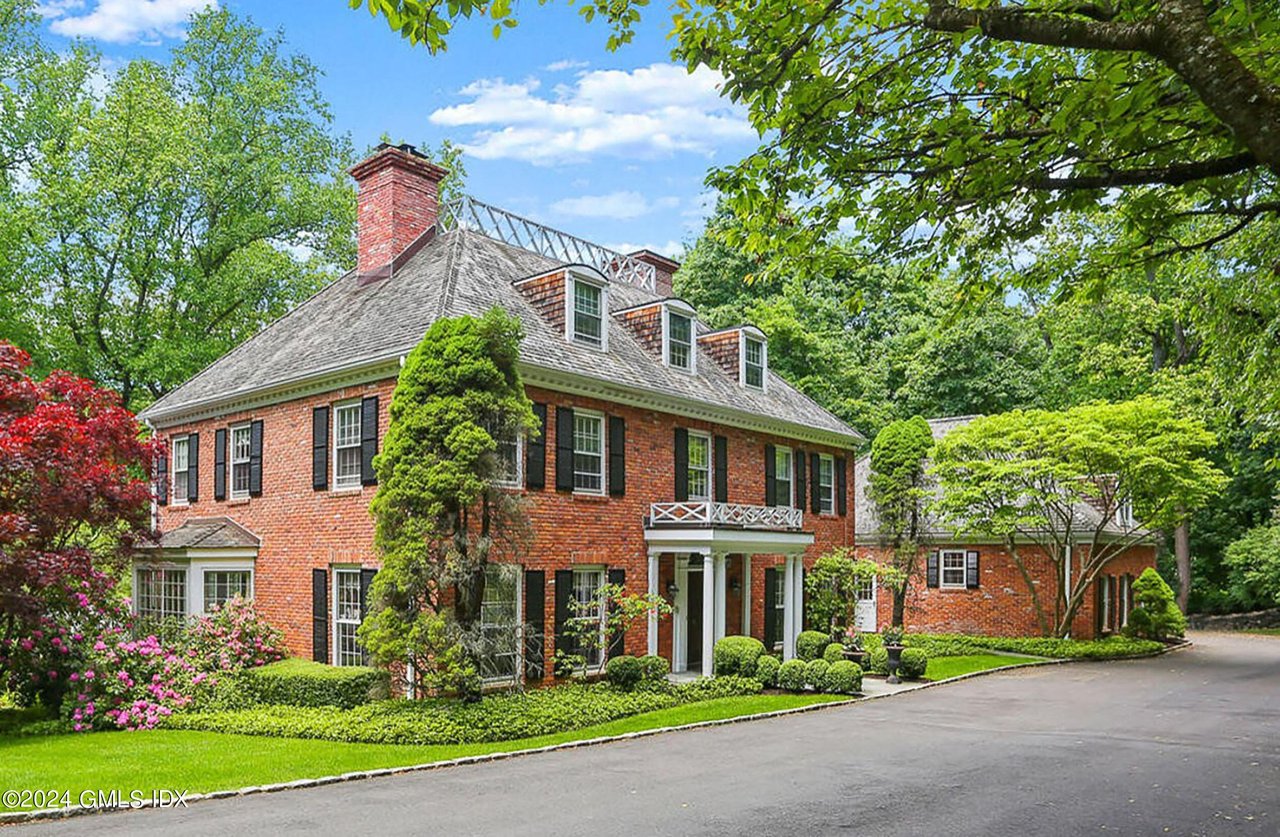
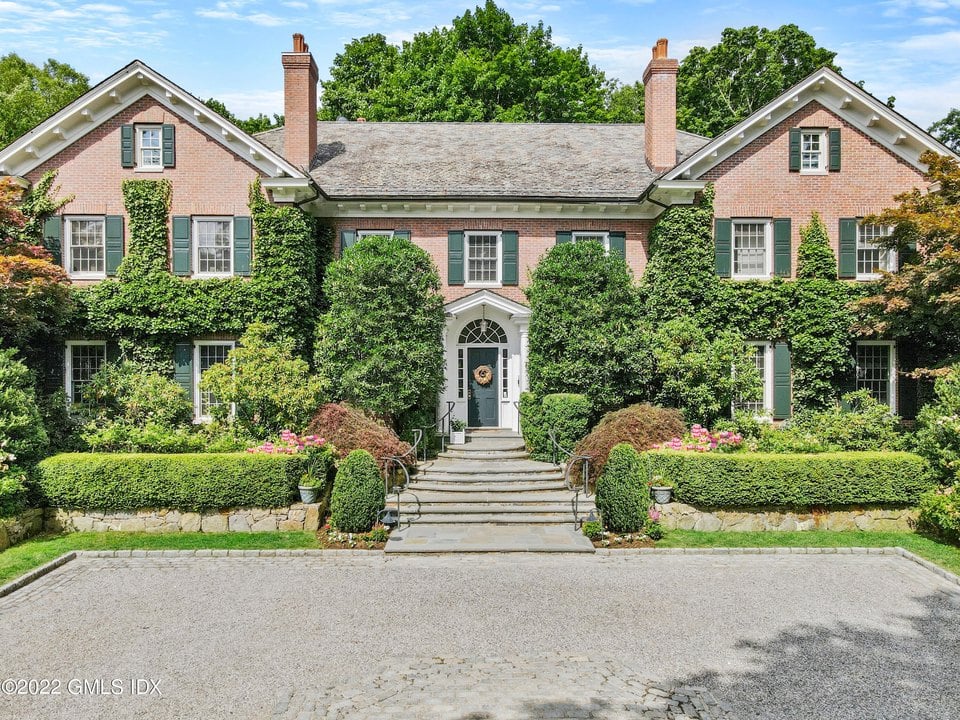
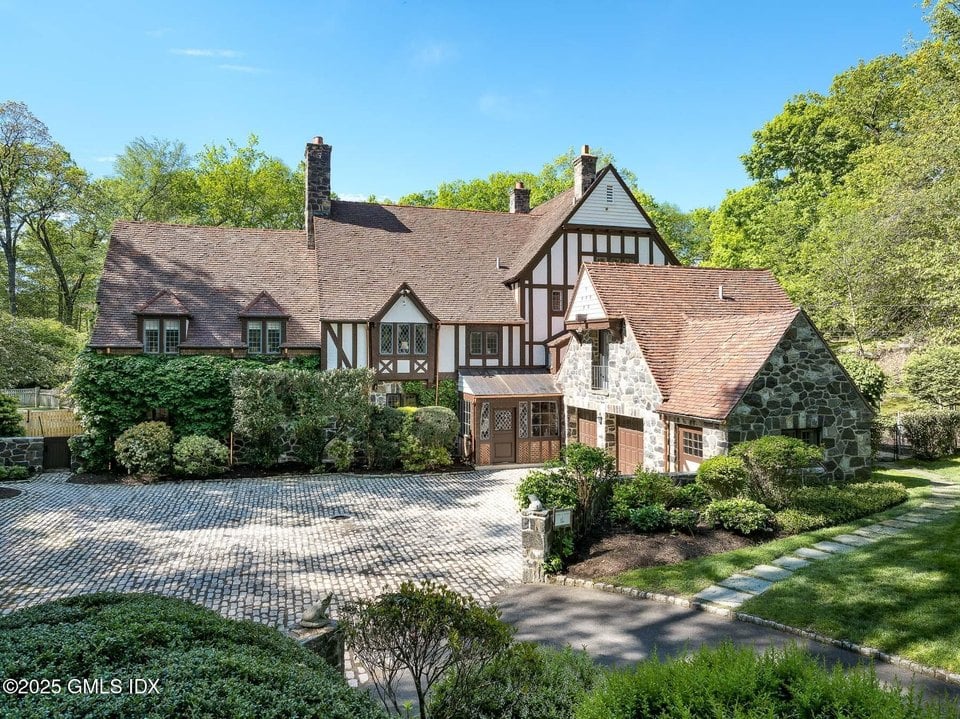
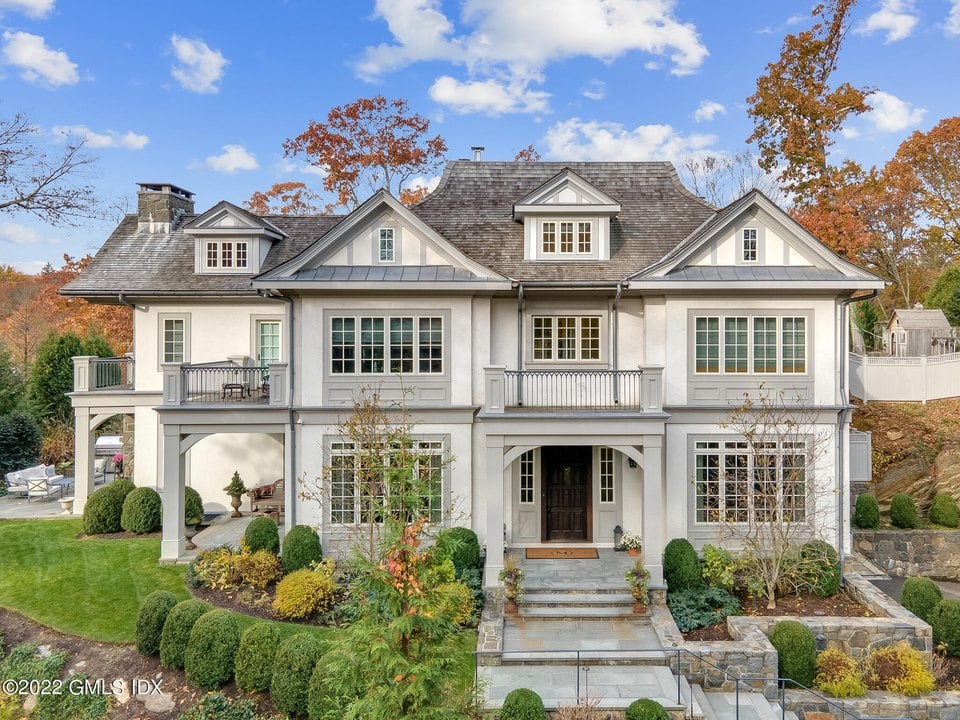
One property may have five private acres and a pool. Another may sit in a highly desirable neighborhood with less land but extensive renovations. Another could offer custom architecture, a guest house, exceptional outdoor living, or a location that rarely becomes available.
Those properties shouldn't automatically be valued the same way simply because they have similar square footage.
The more distinctive the home, the more important it becomes to understand which characteristics the market is actually rewarding.
Comparable sales are still extremely important, but choosing the right ones requires judgment.
I wouldn't simply search for every $1 million-plus sale within a certain radius.
I'd look at factors such as:
Sometimes the best comparable isn't the house closest to yours.
For a distinctive luxury property, we may need to expand the search geographically or look further back to understand how similar homes have performed.
It can be useful, but I wouldn't value a luxury home using price per square foot alone.
Two 5,000-square-foot homes can offer completely different experiences.
One may have recently renovated interiors, exceptional grounds, and a pool. Another may need substantial updating. One may sit on a highly desirable lot while the other has characteristics that limit its appeal.
Square footage gives us one measurement.
It doesn't tell us the entire story.
Your home doesn't compete only with properties that already sold.
It also competes with homes for sale right now.
That's especially important in the luxury segment, where the pool of potential buyers can be smaller.
Connecticut's inventory has recently been increasing across price ranges, including the $1 million-and-up tiers. During the week ending September 11, statewide active inventory increased by 342 listings, while under-agreement and closed activity declined from the previous week.
Meanwhile, Hartford County's broader single-family market remained strong in August, with a median sale price of $464,500, up 9.3% year over year, and only 2.0 months of supply.
Those numbers provide useful context, but they don't determine the value of a luxury property.
For that, we need to narrow the market down to your price point and your competition.
Luxury buyers may place significant value on features that aren't adequately captured by an automated valuation.
Acreage and privacy can matter.
So can architectural quality, recent renovations, a well-designed pool and outdoor space, views, a first-floor primary suite, high-end kitchens, home offices, gyms, guest accommodations, and garages.
But having an expensive feature doesn't automatically mean adding its original cost to the home's value.
A $200,000 improvement does not necessarily increase a property's market value by $200,000.
The real question is how much that feature changes the property's appeal compared with other available luxury homes.
An automated estimate can be useful as a starting point, but luxury homes can be particularly difficult for an algorithm to evaluate.
An online valuation can process property data and surrounding sales.
It can't walk through your house.
It may not fully understand the quality of a renovation, the experience of the lot, the difference between ordinary and exceptional finishes, or why one location commands a premium over another.
The more unique the property, the more important a property-specific analysis becomes.
There is a difference between asking “What is my luxury home worth?” and “What could my luxury home realistically sell for in today's market?”
The second question is much more useful if you're considering a sale.
If you’re considering selling your luxury home in Farmington Valley, Hartford County, or elsewhere in Connecticut, and want a clearer idea of where it fits in today’s market, I’d be happy to take a closer look at the property, recent comparable sales, and current competition to help you understand what it could realistically sell for.
From there, we can determine where I believe the property fits in today's market and what selling strategy would give it the strongest opportunity to achieve that value.
Adam Cannon, Realtor
Coldwell Banker Realty | West Hartford
Stay up to date on the latest real estate trends.
Whether buying, selling, or exploring your options, I am ready to help you achieve your goals. With experience, integrity, and commitment, I’m the partner you can count on for exceptional real estate results.