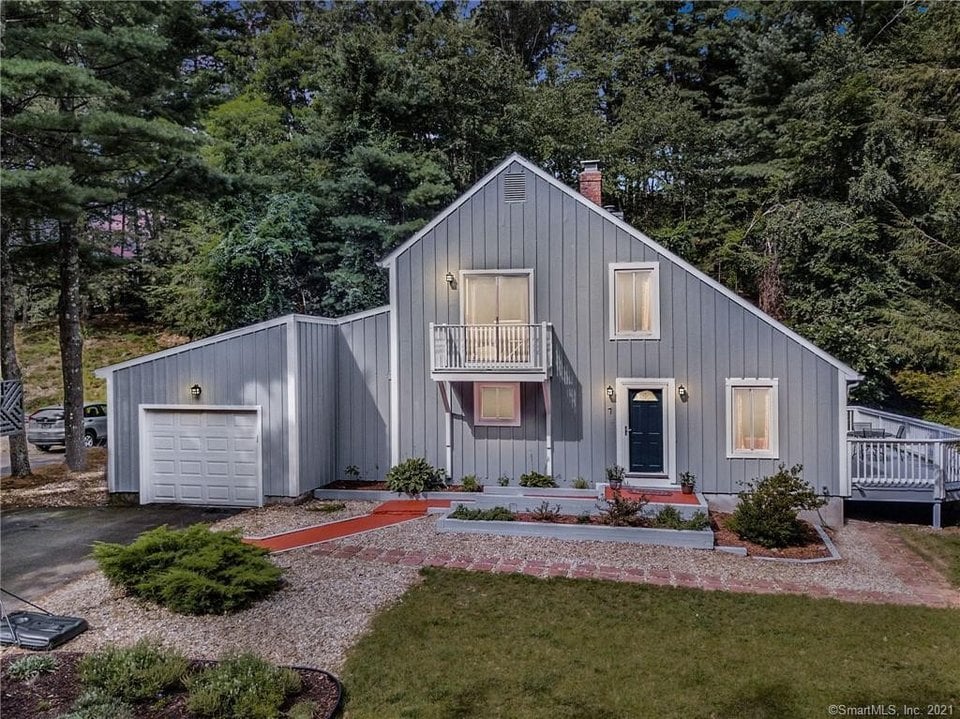
Why Are Connecticut Home Prices Still Rising?
Adam Cannon June 5, 2026
Adam Cannon June 5, 2026
If you have been watching the Connecticut housing market over the past few years, you may be wondering why home prices continue rising despite higher mortgage rates and ongoing affordability concerns.
On the surface, it would seem logical that higher borrowing costs would push prices downward. After all, when monthly payments increase, buyers typically have less purchasing power.
Yet throughout much of Connecticut, home values have remained remarkably resilient and, in many areas, continue moving higher.
So what is actually happening?
The answer comes down to one factor that continues shaping nearly every aspect of the housing market: inventory.
Simply put, there are still not enough homes available for sale.
While buyer demand has cooled somewhat compared to the most competitive periods of the past several years, the supply of available homes remains extremely limited. In many Connecticut towns, particularly throughout Hartford County and the Farmington Valley, there are still more buyers searching than there are homes available to purchase.
When supply remains low and demand remains steady, prices tend to rise.
One of the biggest contributors to this inventory shortage is something economists often call the "lock-in effect."
Over the past several years, millions of homeowners secured mortgage rates that were dramatically lower than current rates. Many homeowners today have mortgages with interest rates in the 2% to 4% range. If they were to sell their current home and purchase another property, they would likely be replacing that loan with one carrying a significantly higher interest rate.
For many families, that would result in a much higher monthly payment even if the new home cost roughly the same amount.
As a result, many homeowners have decided not to move.
This creates a ripple effect throughout the market. Fewer homeowners listing their properties means fewer opportunities for buyers, which keeps inventory constrained and competition elevated.
At the same time, buyer demand has not disappeared.
Despite higher rates, people still need places to live. Job changes, family growth, relocations, downsizing, and life events continue bringing buyers into the market every day. While some buyers have chosen to wait, many others have decided that delaying their plans indefinitely does not make sense.
Connecticut also benefits from several factors that continue supporting demand.
The state offers proximity to major employment centers throughout the Northeast while often providing more space and value than buyers may find closer to cities like New York or Boston. Many Connecticut communities continue attracting both local and relocating buyers looking for strong neighborhoods, convenience, and long-term stability.
Another reason prices remain strong is that buyers have become more selective rather than completely inactive.
A few years ago, it felt like almost every listing generated significant competition. Today's market is different. Buyers are paying closer attention to condition, pricing, layout, and overall value. Homes that feel overpriced or need significant work may sit longer than they once would have.
However, well-maintained homes that are priced appropriately continue attracting substantial interest.
In many cases, those properties still receive multiple offers.
This creates an interesting market dynamic. Some listings struggle, while others move extremely quickly. To casual observers, this can make the market seem inconsistent. In reality, it reflects a market that has become more strategic rather than dramatically weaker.
Another important thing to understand is that housing markets do not always move in direct response to mortgage rates.
While higher rates certainly affect affordability, inventory shortages can offset much of that pressure. If enough buyers remain active and there are not enough homes available, prices can continue rising even when financing becomes more expensive.
That is exactly what Connecticut has experienced in many areas.
For buyers, this can feel frustrating. Many people expected higher rates to lead to significantly lower prices. Instead, they have encountered a market where affordability remains challenging because home values have largely held steady or continued increasing.
For sellers, the environment remains favorable, but not effortless. Buyers are more analytical today, which means pricing, presentation, and condition matter more than they did during the height of the market frenzy.
Ultimately, Connecticut home prices are still rising because the fundamental imbalance between supply and demand has not been resolved.
There are still too few homes available for the number of buyers who want them.
Until inventory increases significantly or demand drops substantially, home values will likely continue receiving support from the same market forces that have driven prices higher over the past several years.
If you are considering buying or selling in Connecticut, understanding these dynamics is critical. The market is no longer operating on emotion alone. It is being driven by inventory, buyer behavior, affordability, and long-term demand patterns that continue shaping housing throughout the state.
Adam Cannon, Realtor
Coldwell Banker Realty | West Hartford
Stay up to date on the latest real estate trends.




Whether buying, selling, or exploring your options, I am ready to help you achieve your goals. With experience, integrity, and commitment, I’m the partner you can count on for exceptional real estate results.