What Should You Know Before Moving to West Hartford, CT?
Adam Cannon October 23, 2026
Thinking about relocating to West Hartford, Connecticut?
Maybe you're moving to the Hartford area for work, looking for a community with more restaurants and amenities, or considering a move from another part of Connecticut.
Whatever brings you here, West Hartford is a town worth exploring.
But before you start scheduling showings or narrowing down neighborhoods, there are a few things you should understand about buying a home and living in West Hartford.
Moving to West Hartford involves more than finding a house you love. It's about choosing a location, understanding the cost of ownership, and making sure the property fits your everyday life.
Here's what I recommend knowing before making the move.
One of the first things relocating buyers notice is that West Hartford offers several different residential settings.
West Hartford Center and Blue Back Square are popular destinations for shopping, restaurants, and entertainment. Buyers who want to be within walking distance of these amenities often focus on nearby residential streets.
Bishops Corner offers another concentration of shopping, restaurants, and everyday conveniences, with established neighborhoods surrounding the area.
Elmwood has its own mix of residential properties, businesses, and access to major roads, making it worth exploring for buyers with particular commuting needs.
Other areas of West Hartford offer quieter residential streets, larger properties, or convenient access to parks and recreation.
The important thing is not to assume that every neighborhood offers the same experience.
Before choosing where to buy, think about how you actually want to spend your time.
Would you rather walk to dinner, have a larger yard, or prioritize an easier commute?
Those preferences can help narrow your search considerably.
West Hartford has a wide range of home prices, and the amount you'll need to spend depends heavily on the property you're looking for.
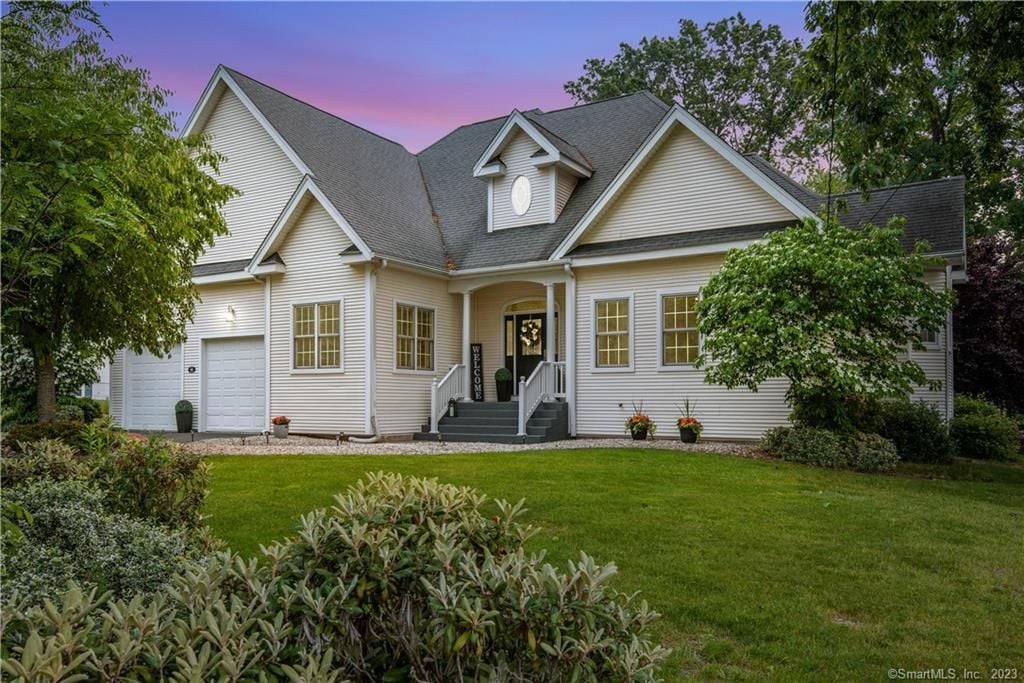
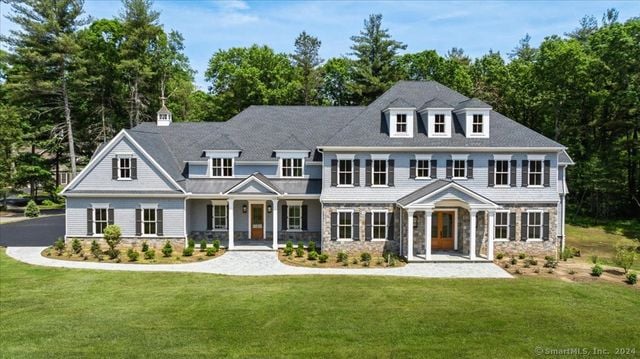
A smaller Cape Cod or ranch may occupy a different price range than a renovated Colonial with four bedrooms and a larger lot.
Condominiums can provide another option, although buyers should account for association fees and any applicable restrictions.
Location, condition, square footage, layout, and available inventory all influence pricing.
For relocating buyers, I recommend looking beyond townwide median home prices.
A median can provide a general sense of the market, but it won't tell you what a three-bedroom home in your preferred neighborhood is likely to cost.
Reviewing recent comparable sales and currently available properties will give you a more useful understanding of your budget.
Property taxes are one of the most important expenses to research before purchasing a home in Connecticut.
West Hartford property taxes are calculated using the property's assessed value and the applicable municipal mill rate.
Connecticut generally assesses real estate at 70% of its estimated fair market value as of the applicable revaluation date.
However, the amount a home sells for isn't necessarily the same as its current assessed value.
West Hartford's 2026 revaluation is particularly important for buyers to understand because updated assessments can affect future property tax calculations.
Before purchasing, review the property's assessment, current tax bill, applicable tax rates, and available information about reassessment.
It's also worth remembering that property taxes are only one component of your monthly housing expenses.
Mortgage payments, homeowners insurance, utilities, maintenance, and any association fees should all factor into your budget.
West Hartford's location is a major consideration for buyers relocating to the Hartford area.
The town offers access to Hartford, Farmington, Newington, and other employment centers throughout central Connecticut.
Interstate 84 and nearby major roads connect residents with surrounding communities.
But your commute can vary significantly depending on where you live in town and where you're traveling.
For example, someone working in downtown Hartford may have different priorities than someone commuting to UConn Health in Farmington or an office elsewhere in the Farmington Valley.
Rather than choosing a neighborhood based solely on its distance from your workplace, test the actual commute during the hours you expect to travel.
Traffic patterns, access to major roads, and your preferred route can make a noticeable difference in your daily routine.
For buyers researching local education options, West Hartford Public Schools is an important resource.
The district includes multiple elementary schools, middle schools, and two public high schools, Hall High School and Conard High School.
School assignments depend on the property's address and the district's current boundaries and enrollment policies.
If a particular school is important to your decision, verify the assignment directly with the district before purchasing.
Buyers can also research school programs, extracurricular opportunities, and educational resources through official district information.
It's worth doing this early in your relocation process rather than assuming a property belongs to a particular school attendance area based on its neighborhood name.
One reason buyers consider West Hartford is the variety of activities and amenities available throughout town.
West Hartford Center and Blue Back Square offer restaurants, shops, and gathering places.
Elizabeth Park, located along the Hartford and West Hartford boundary, is known for its gardens and walking paths.
West Hartford Reservoir offers opportunities for walking, running, and enjoying the outdoors.
The town also has parks, recreation facilities, community programming, and local events throughout the year.
For relocating buyers, I always recommend spending time in town outside of scheduled home showings.
Visit the neighborhoods you're considering, explore nearby businesses, and see what the area feels like at different times of day.
That firsthand experience can help you decide whether a particular location matches your expectations.
West Hartford has many established residential neighborhoods, and a substantial portion of its housing stock was built decades ago.
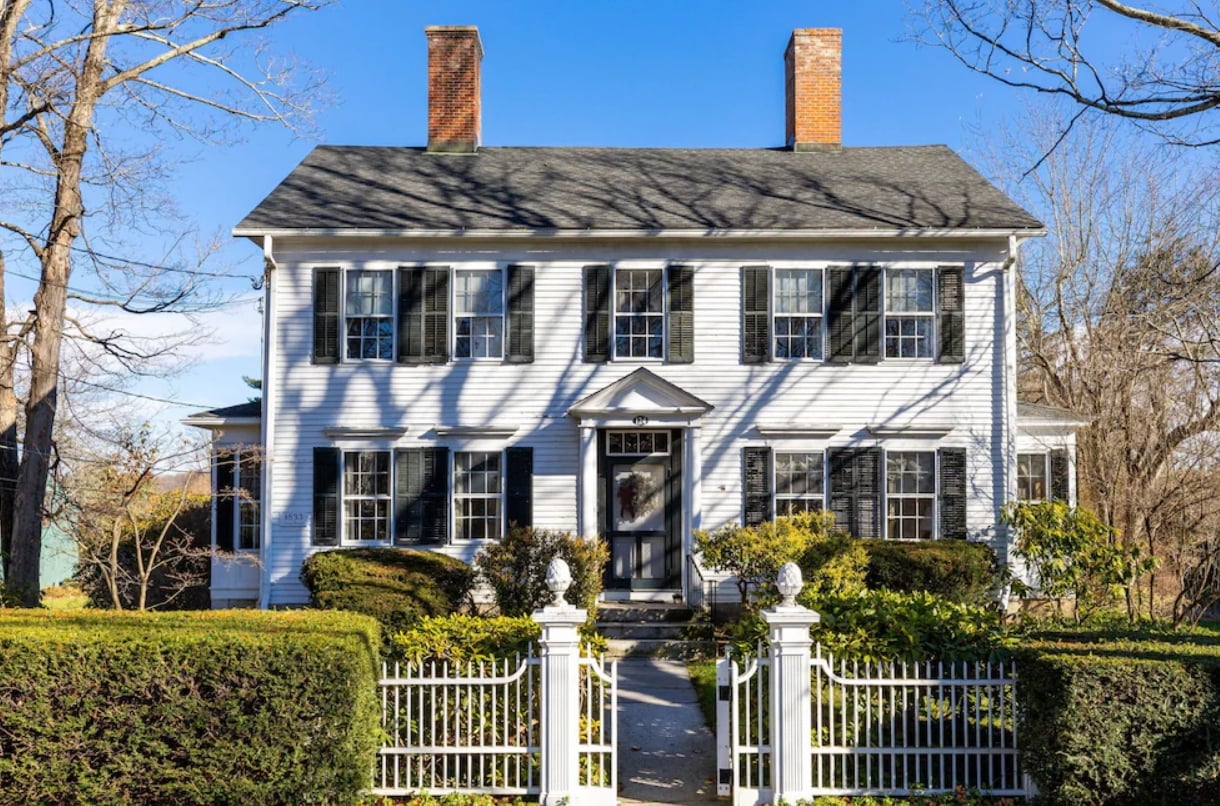
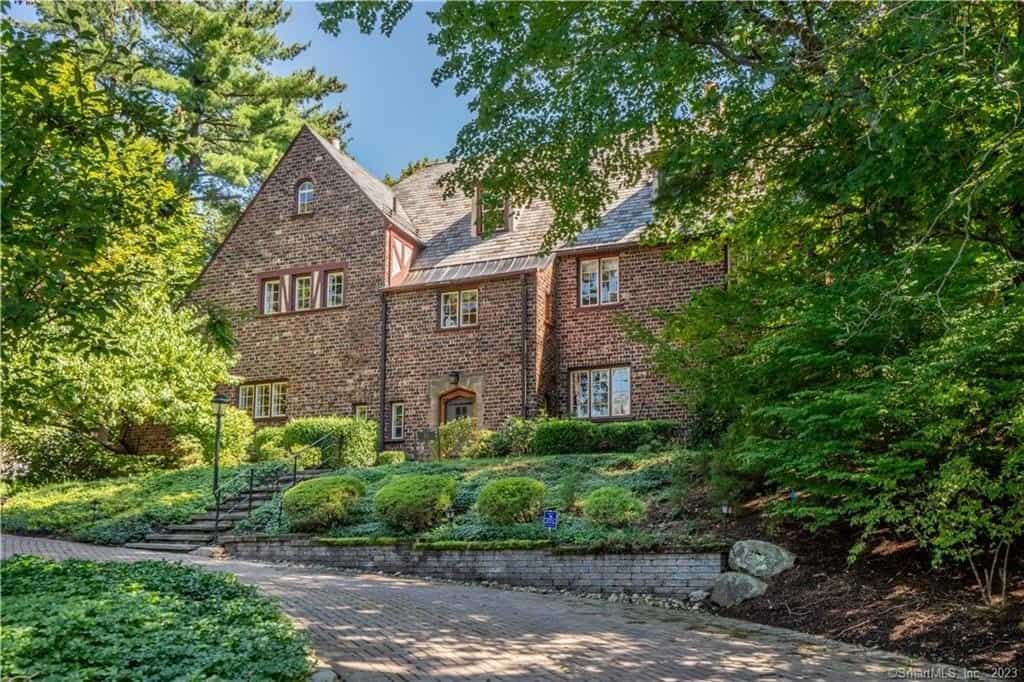
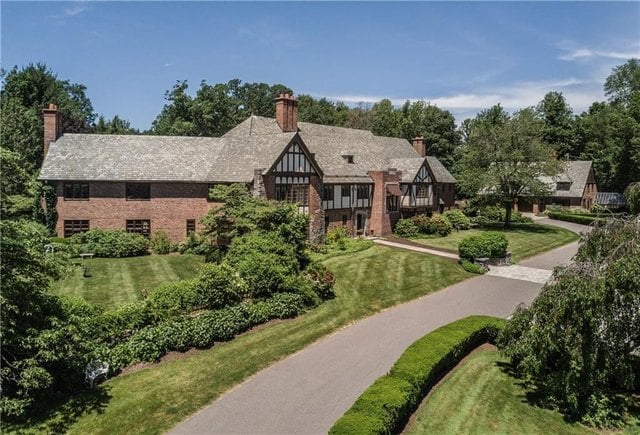
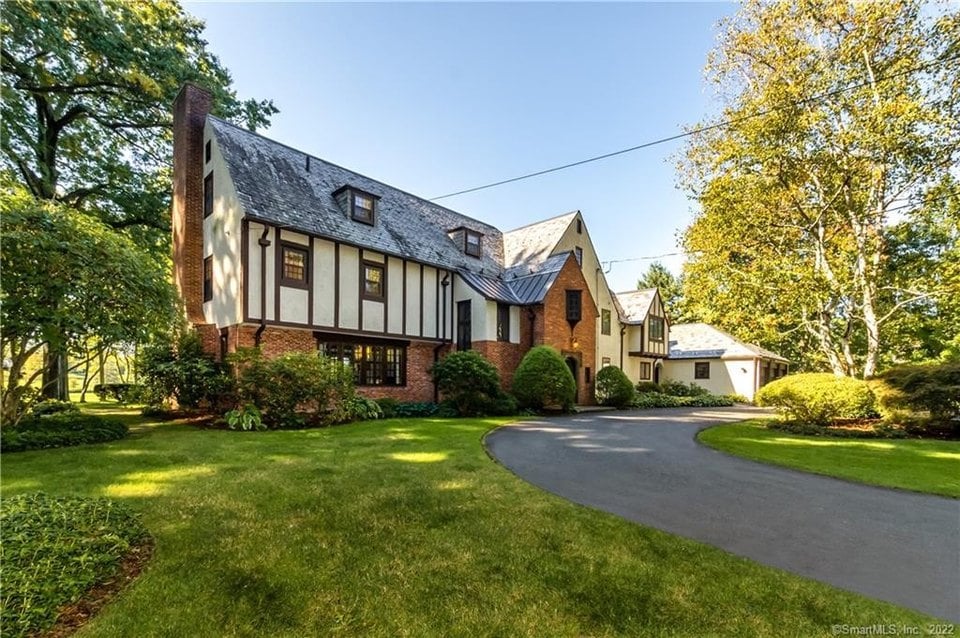
You'll find Colonials, Cape Cods, ranches, Tudors, and other architectural styles throughout town.
For many buyers, those homes offer exactly the character and neighborhood setting they're looking for.
But older properties also deserve careful evaluation.
A home may have an updated kitchen and bathrooms while retaining older plumbing, electrical systems, roofing, or heating equipment.
When purchasing, consider the condition and age of major systems, the history of renovations, and whether relevant permits were obtained.
A professional home inspection can help identify potential concerns, and specialized evaluations may be appropriate depending on the property.
The goal isn't to avoid older homes.
It's to understand their condition and potential maintenance costs before committing to a purchase.
Certain parts of West Hartford offer convenient access to restaurants, shopping, and everyday amenities on foot.
Neighborhoods near West Hartford Center and Blue Back Square are particularly appealing to buyers who prioritize that type of lifestyle.
However, West Hartford is geographically varied.
Some residential areas are more car-dependent, especially when traveling to grocery stores, workplaces, or other destinations.
If walkability is a priority, look at the specific property's location rather than relying on a general description of the town.
Consider the actual distance to places you expect to visit regularly, sidewalk availability, street crossings, and the routes you'd use.
A house described as being near West Hartford Center may not necessarily offer the walking experience you're imagining.
If you're moving to West Hartford from another state, there are additional details worth preparing for.
Start by obtaining mortgage preapproval and reviewing the full cost of purchasing a home in Connecticut.
Property taxes, homeowners insurance, closing costs, and financing requirements may differ from what you're accustomed to.
Connecticut real estate transactions also typically involve attorneys who handle important legal and closing responsibilities.
If you're unable to visit frequently, plan your home search carefully.
Video tours and virtual walkthroughs can help narrow your options, but they shouldn't replace appropriate inspections or independent evaluations.
You'll also want to coordinate financing deadlines, inspection appointments, and moving logistics with your relocation schedule.
A well-organized process can make purchasing from a distance much more manageable.
One of the biggest mistakes relocating buyers make is choosing a property before fully understanding its location.
A beautiful house may not be the right fit if the commute is inconvenient or the surrounding area doesn't match your expectations.
Another mistake is relying too heavily on online home estimates or broad market averages.
West Hartford properties vary significantly, and accurate comparisons require looking at the specific type of home and neighborhood.
Buyers should also avoid overlooking future maintenance expenses, particularly when considering established properties.
Finally, don't assume you need to rush into a purchase simply because a home attracts multiple offers.
Being prepared is important, but understanding your budget, contingencies, and the property's condition matters just as much.
For some relocating buyers, renting temporarily can provide an opportunity to learn the area before making a long-term purchase.
This may be particularly helpful if you're unfamiliar with Hartford County or uncertain about your future commuting needs.
However, renting first isn't automatically necessary.
If you have a clear understanding of your budget, preferred location, and housing needs, purchasing directly may make sense.
The right choice depends on your timeline, financial situation, and how confident you feel about the area.
West Hartford offers an appealing combination of established neighborhoods, housing variety, shopping, dining, recreation, and access to surrounding communities.
But the best reason to move here isn't simply that the town is popular.
It's finding a home and location that genuinely work for your lifestyle, financial goals, and long-term plans.
Before relocating to West Hartford, take the time to understand the neighborhoods, compare actual home prices, research ownership costs, and explore the town firsthand.
If you're considering moving to West Hartford, Connecticut, I can help you navigate the local housing market, compare neighborhoods, evaluate available properties, and coordinate the buying process.
Whether you're relocating from another Connecticut community or moving from out of state, having local guidance can help you make a more informed decision about your next home.
Adam Cannon, Realtor
Coldwell Banker Realty | West Hartford
Stay up to date on the latest real estate trends.
Whether buying, selling, or exploring your options, I am ready to help you achieve your goals. With experience, integrity, and commitment, I’m the partner you can count on for exceptional real estate results.