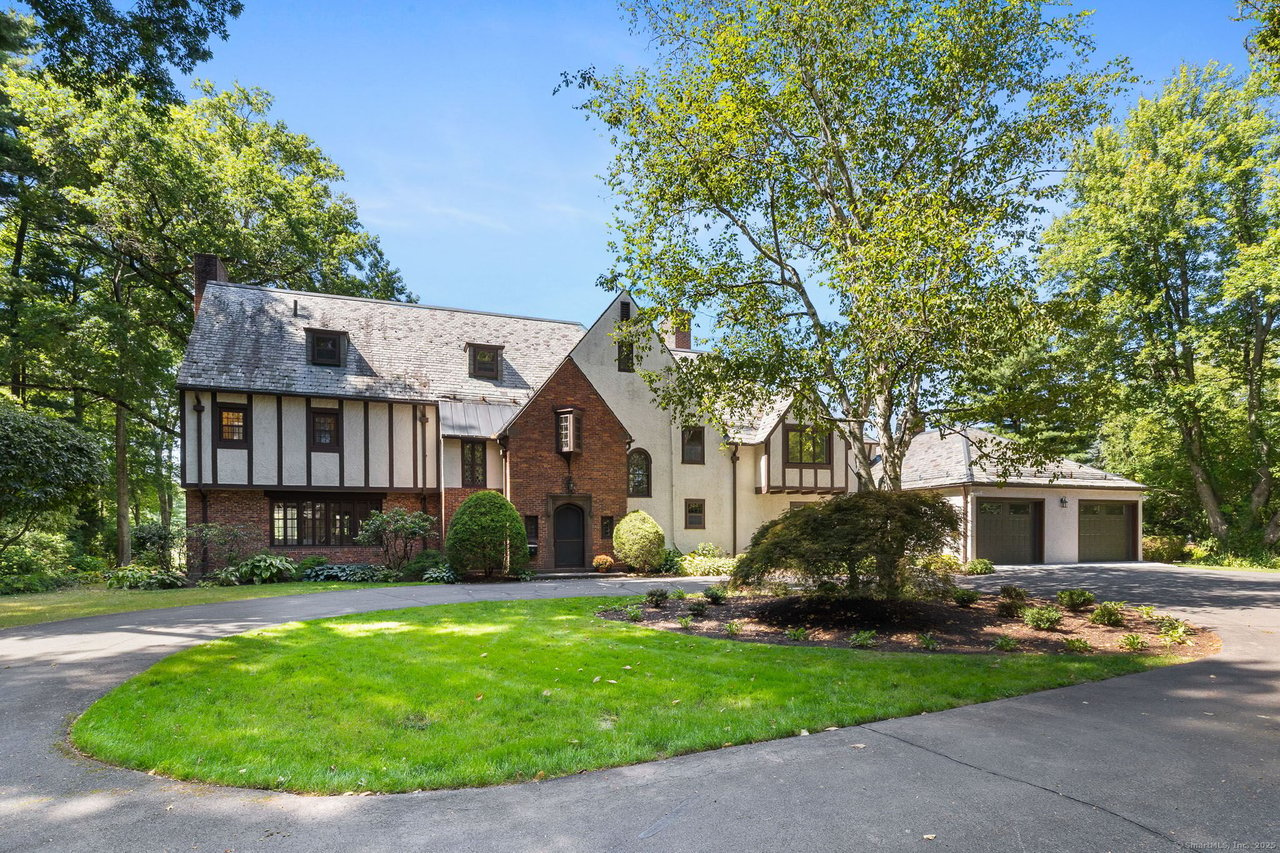
What Makes a West Hartford Home Hard to Sell?
Adam Cannon September 29, 2026
Adam Cannon September 29, 2026
West Hartford is one of the most recognizable real estate markets in Greater Hartford.
Buyers are drawn to the town for its neighborhoods, restaurants, parks, location, housing variety, West Hartford Center, Blue Back Square, and overall lifestyle.
But there's an important distinction sellers need to understand:
A desirable town doesn't automatically make every home easy to sell.
Two West Hartford homes can hit the market around the same time and receive completely different reactions from buyers.
One attracts immediate interest.
The other sits.
Why?
Usually, it's not one single problem. It's the way price, condition, location, layout, maintenance, and competition come together.
This is one of the biggest reasons a home can struggle.
Buyers don't evaluate your asking price in isolation.
They're comparing your home with other properties available within their budget.
If your house is listed at $700,000, buyers aren't only asking whether they like it.
They're asking:
What else can I buy for around $700,000?
If another home offers a more desirable location, renovated kitchen, newer systems, better layout, larger yard, or additional living space at a similar price, buyers notice.
That doesn't mean every seller needs to underprice their home.
It means the asking price should reflect what the property actually offers compared with its competition.
Location matters even within the same town.
A home within walking distance of West Hartford Center offers a different experience from a property in another residential section of town.
A quiet side street may appeal differently than a busier road.
Proximity to shopping, parks, highways, restaurants, and other amenities can all influence how buyers perceive a property.
Even individual streets can perform differently.
That's why pricing a West Hartford home based solely on townwide averages can be misleading.
The most useful comparable sales are generally the ones that most closely resemble the property buyers are actually considering.
West Hartford has a substantial amount of older housing stock, and age alone isn't necessarily a problem.
Many buyers specifically like older homes.
The issue is what comes with the age.
An older kitchen may be perfectly acceptable.
An older kitchen combined with aging windows, an older roof, dated electrical, an aging heating system, exterior maintenance, and several cosmetic projects can feel completely different.
Buyers start doing math.
Even if their estimates aren't perfect, they're mentally adding the cost of everything they believe they'll need to address.
A home can go from "dated but charming" to "too much work" surprisingly quickly.
The opposite problem happens too.
Sellers sometimes assume that because they've renovated the kitchen, bathrooms, or interior finishes, buyers will automatically pay significantly more.
Renovations can absolutely improve marketability and value.
But buyers still consider the entire property.
What is the location?
How large is the lot?
What condition are the major systems in?
How functional is the layout?
How does the home compare with other renovated properties?
And were the improvements made in a way that appeals to a broad range of buyers?
A beautiful kitchen can't change the street.
New flooring can't create another bathroom.
And cosmetic improvements don't erase an unrealistic asking price.
Older homes can have layouts that don't match what every modern buyer expects.
Maybe the kitchen is separated from the main living areas.
Maybe one bedroom is unusually small.
Maybe the primary bedroom lacks an attached bathroom.
Maybe finished space requires walking through another room.
Maybe an addition created an awkward transition between sections of the house.
None of those things automatically prevent a sale.
But they can reduce the number of buyers who see the home as a fit.
That's where pricing and marketing become particularly important.
You can't always change the floor plan before listing, but you can make sure the property is positioned appropriately.
Parking isn't the most glamorous real estate topic, but buyers notice it.
A narrow driveway, limited off street parking, no garage, difficult turnaround, or parking arrangement that requires constantly moving cars can become a practical concern.
How much it matters depends on the buyer and the location.
Someone prioritizing walkability may accept a parking tradeoff that another buyer wouldn't.
Again, this doesn't make the home unsellable.
It simply becomes one factor buyers weigh against the price.
Buyers tend to be more comfortable with a problem they understand than a property that feels neglected.
Peeling exterior paint.
Damaged trim.
Overgrown landscaping.
Visible water staining.
A deteriorating deck.
Loose railings.
Old gutters.
Small issues throughout the property can create a larger impression.
If buyers see several visible maintenance items, they may start wondering what else hasn't been maintained.
That's why relatively modest pre listing repairs can sometimes be more valuable than an expensive cosmetic renovation.
The goal isn't to make an older home look brand new.
It's to make it feel cared for.
This is an important psychological part of selling.
Buyers tolerate tradeoffs when they believe the price reflects them.
They become much more critical when they think they're being asked to pay a premium.
A dated bathroom might be completely acceptable at one price.
At another price, it becomes the reason a buyer chooses the renovated house down the street.
The same can happen with a busy road, smaller yard, older roof, lack of central air, or unusual layout.
Price doesn't eliminate a property's weaknesses.
It determines how buyers evaluate them.
West Hartford's popularity is an advantage for sellers.
But demand isn't permission to ignore preparation, pricing, or presentation.
Buyers still have choices.
And when a property doesn't compare well with those choices, the market usually responds through fewer showings, weaker offers, longer market time, or eventual price adjustments.
The strongest listing strategy starts by identifying those potential objections before buyers do.
What will they love?
What will they question?
What will they compare?
And which issues can realistically be addressed before listing?
This is probably the most important point.
Plenty of West Hartford homes sell with dated kitchens, older bathrooms, unusual layouts, smaller lots, busy locations, or projects that still need to be completed.
The goal isn't perfection.
It's alignment.
The condition, location, presentation, marketing, and asking price should make sense together.
If you're considering selling a home in West Hartford, I can help you look at the property through a buyer's eyes, identify the features that could affect marketability, compare it with recent sales and current competition, and build a pricing strategy around the home you actually have.
Adam Cannon, Realtor
Coldwell Banker Realty | West Hartford
Stay up to date on the latest real estate trends.

Whether buying, selling, or exploring your options, I am ready to help you achieve your goals. With experience, integrity, and commitment, I’m the partner you can count on for exceptional real estate results.