
What Is the Best Way to Sell a House in Connecticut in 2026?
Adam Cannon October 30, 2026
Adam Cannon October 30, 2026
If you’re thinking about selling your house in Connecticut in 2026, you may be wondering what approach will help you attract qualified buyers, secure a competitive offer, and complete the sale successfully.
Should you make improvements before listing? How do you determine the right asking price? And what actually makes one home sell more successfully than another?
The best way to sell a house in Connecticut in 2026 is to establish an accurate market-based price, prepare the property strategically, maximize exposure to qualified buyers, and evaluate offers based on both price and terms.
However, the right strategy depends on your property’s location, condition, competition, and your personal timeline.
For homeowners in West Hartford, Farmington, Avon, Simsbury, and throughout Hartford County, here’s how to approach the selling process.
Before deciding when or how to list your house, you need a realistic understanding of its market value.
Online estimates can provide a starting point, but they may not fully account for renovations, architectural details, property condition, lot characteristics, or recent neighborhood sales.
A comparative market analysis examines relevant closed sales, active listings, and competing properties to help determine an appropriate pricing range.
For example, two homes in West Hartford with similar square footage may have different values because of their condition, location, layout, and improvements.
The goal isn’t simply to identify the highest possible asking price. It’s to understand what buyers are likely to pay based on current market evidence.
Pricing is one of the most important decisions you’ll make when selling your home.
An asking price that’s significantly above comparable properties may discourage buyers from scheduling showings, while a price that doesn’t reflect your home’s features could leave potential value unexplored.
The right strategy considers more than recent sales.
It also evaluates competing listings, available inventory, buyer demand, and how your property compares with alternatives in its price range.
A home in Farmington may face different competition than a similar property in Avon or Simsbury.
Even within the same town, neighborhood characteristics and property types can influence buyer expectations.
That’s why pricing should be tailored to the individual home rather than based on broad Connecticut market trends alone.
Preparing a home for sale doesn’t necessarily mean completing a major renovation.
In many cases, smaller improvements can help buyers appreciate the property’s condition and features.
These may include addressing visible maintenance issues, refreshing worn finishes, improving landscaping, or making minor cosmetic updates.
However, not every improvement produces an equivalent increase in resale value.
Before investing in expensive projects, consider how your property compares with nearby homes and which improvements buyers are likely to value.
The objective is to make informed decisions that support your selling strategy without spending unnecessarily.
Buyers often form their first impression of a property before ever stepping inside.
Listing photography, property descriptions, and online presentation all influence whether someone decides to schedule a showing.
Professional marketing should highlight the home’s strongest characteristics, whether that’s a renovated kitchen, architectural details, outdoor living spaces, or a desirable location.
For distinctive and higher-end properties, showcasing craftsmanship, privacy, and unique features can be especially important.
Marketing should also make the property accessible to buyers searching through major real estate platforms and local listing resources.
The goal is to communicate what makes your home worth considering, not simply announce that it’s available.
Once your property is listed, showing availability becomes an important part of the strategy.
Buyers need reasonable opportunities to experience the home in person and evaluate whether it meets their needs.
If you’re still living in the property, your Realtor can help establish showing arrangements that accommodate your schedule while maintaining accessibility.
For vacant homes, it’s important to keep the property clean, secure, and properly maintained.
Open houses may be useful for some listings, but they’re not necessarily required for every successful sale.
The most appropriate approach depends on the property, buyer interest, and overall marketing plan.
Receiving an offer is an important milestone, but the highest proposed price isn’t always the strongest offer.
Sellers should also consider the buyer’s financing, contingencies, deposit terms, proposed closing date, and other contractual conditions.
For example, a higher offer with substantial financing uncertainty may present different risks than a slightly lower offer with stronger supporting terms.
Inspection contingencies, appraisal requirements, and the buyer’s ability to complete the transaction can all affect the outcome.
A Realtor can help you compare offers and negotiate terms that align with your financial goals and moving timeline.
The objective is to secure an agreement that offers a competitive price and a reasonable path to closing.
Selling a house in Connecticut involves several steps beyond accepting an offer.
Depending on the transaction, sellers may need to address property condition disclosures, inspections, title matters, mortgage payoffs, and closing expenses.
Connecticut has specific residential property condition reporting requirements, with applicability and exceptions depending on the property and transaction.
A Connecticut real estate attorney can help explain contractual obligations, review title matters, coordinate necessary documents, and handle the legal aspects of closing.
Sellers should also understand their estimated net proceeds after mortgage balances, real estate compensation, conveyance taxes, and other applicable expenses.
Preparing for these steps early can help reduce avoidable complications.
The best time to sell isn’t necessarily the same for every homeowner.
Some sellers are relocating for work, purchasing another property, downsizing, or managing a major life transition.
Others have more flexibility and want to evaluate market conditions before committing to a listing date.
Your timeline should account for property preparation, anticipated buyer activity, contract deadlines, and your next living arrangements.
If you’re buying another home, coordinating both transactions may require additional planning.
Rather than choosing a listing date based solely on the season, consider how the timing supports your overall goals.
Homeowners can explore different approaches to selling, including selling independently.
However, working with an experienced local Realtor provides access to professional guidance on pricing, marketing, buyer negotiations, and transaction coordination.
Local knowledge can be particularly valuable when evaluating competing properties and understanding differences between neighborhoods.
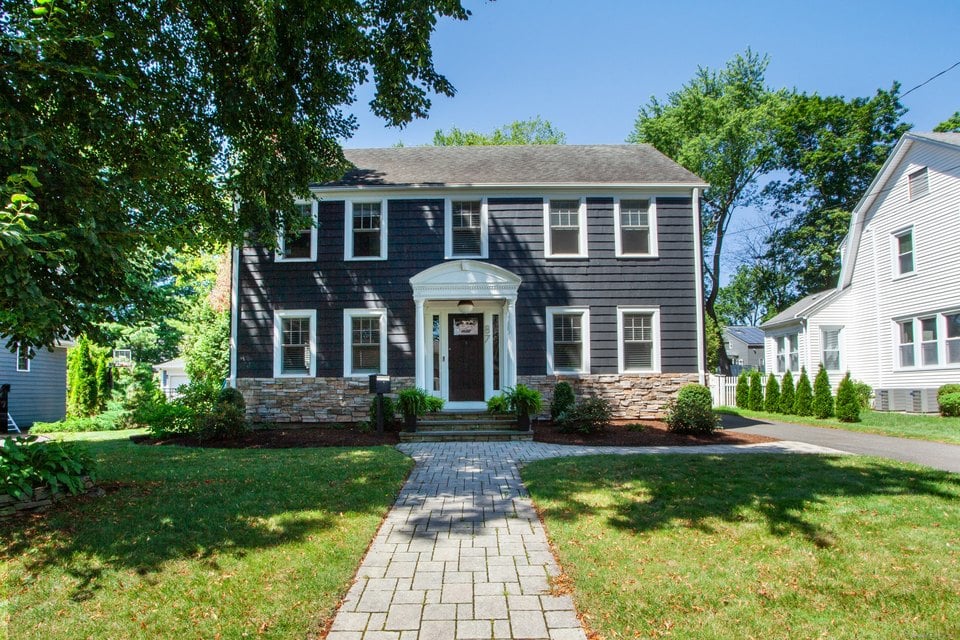
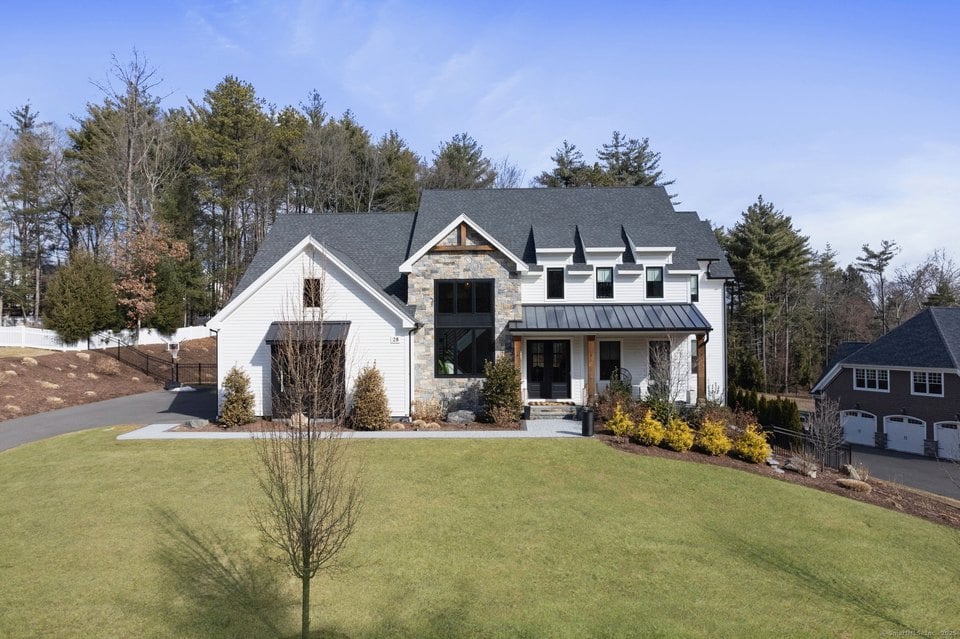
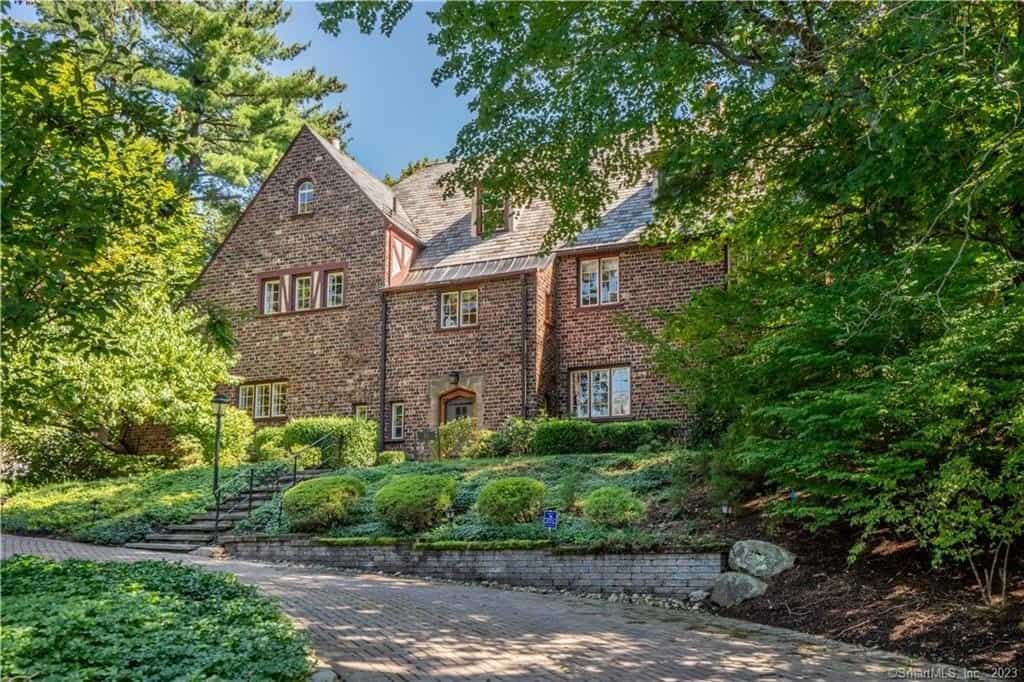
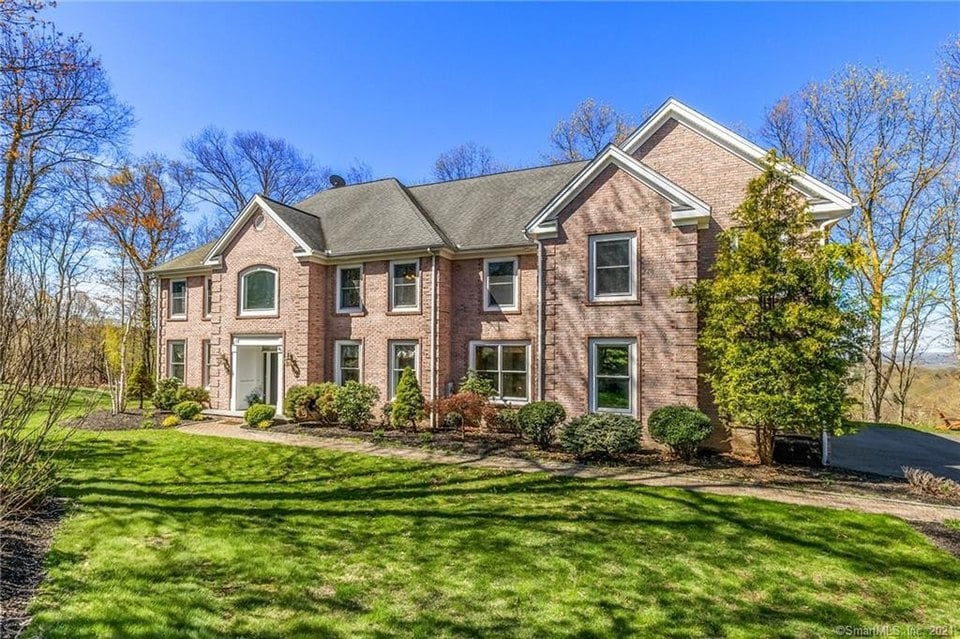
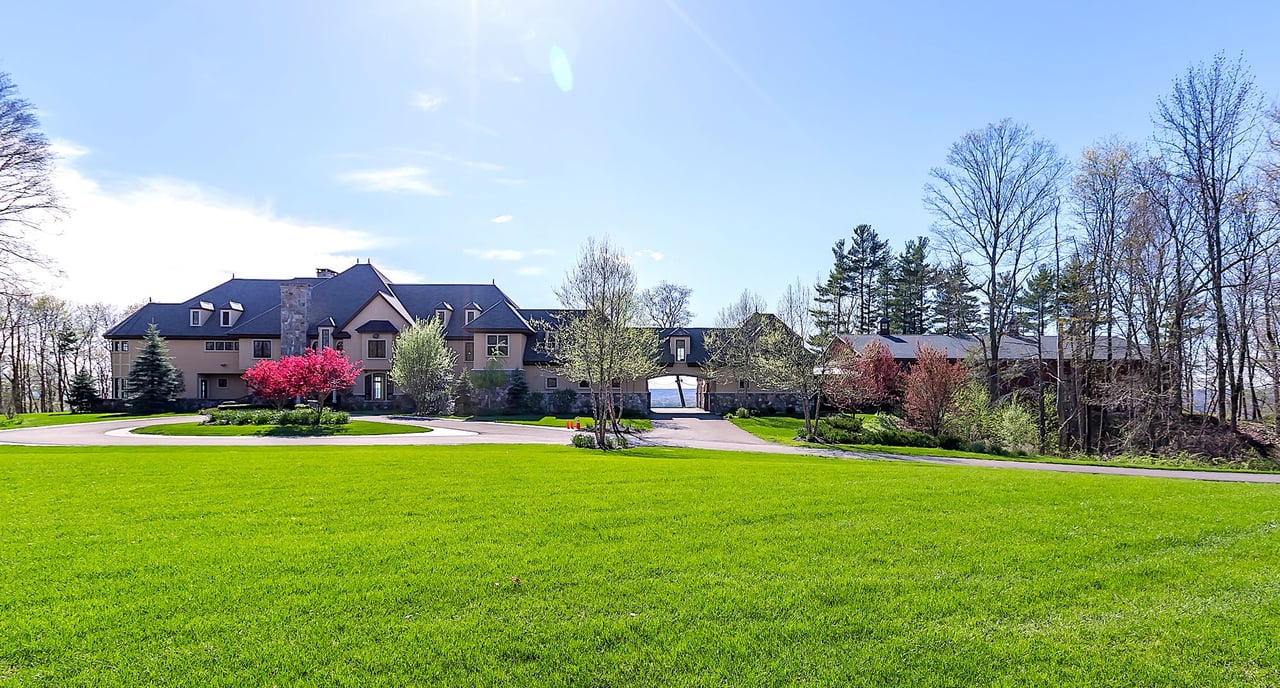
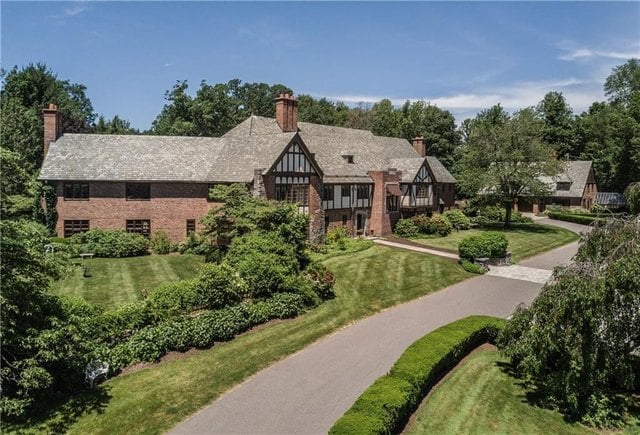
For example, the marketing strategy for a historic home in West Hartford may differ significantly from the approach used for a custom property on several acres in the Farmington Valley.
An effective selling strategy should reflect the property itself and the buyers most likely to appreciate its features.
One of the most significant mistakes is developing a selling strategy around assumptions rather than current market information.
A homeowner may assume their property is worth a particular amount because of an online estimate, a neighbor’s sale, or the money invested in renovations.
However, buyers evaluate available alternatives, property condition, and market value.
Overlooking those factors can lead to unrealistic expectations and missed opportunities.
The strongest approach begins with understanding your home’s competitive position and building a plan around that information.
If you’re planning to sell your home in West Hartford, Farmington, Avon, Simsbury, or elsewhere in Hartford County, start by understanding your property’s current market position.
Review recent comparable sales, identify competing listings, evaluate preparation needs, and establish a timeline that works for your circumstances.
From there, develop a pricing and marketing strategy designed to attract qualified buyers and support a successful transaction.
As a Realtor with Coldwell Banker Realty in West Hartford, I help homeowners throughout Hartford County and the Farmington Valley navigate the selling process with strategies tailored to their properties and goals.
Whether you’re preparing to list immediately or considering a move later this year, understanding your options is the first step toward making an informed decision.
The best way to sell your house in Connecticut isn’t about following a universal formula. It’s about combining accurate local market knowledge, thoughtful preparation, effective marketing, and a strategy built around your property.
Adam Cannon, Realtor
Coldwell Banker Realty | West Hartford
Stay up to date on the latest real estate trends.


Whether buying, selling, or exploring your options, I am ready to help you achieve your goals. With experience, integrity, and commitment, I’m the partner you can count on for exceptional real estate results.