Should You Sell Your Farmington Valley Home Before Winter?
Adam Cannon October 8, 2026
Every fall, homeowners throughout the Farmington Valley start asking the same question: should I put my house on the market now, or would I be better off waiting until spring?
It's a reasonable question, especially if you're considering selling in Avon, Farmington, Simsbury, Canton, or Granby.
Spring has a reputation for being the busiest real estate season, and there's a reason for that. More buyers typically begin searching, warmer weather makes moving easier, and properties often show well when landscaping is in full bloom.
But that doesn't automatically mean spring is the best time to sell your particular home.
In some situations, selling before winter can offer advantages that homeowners overlook.
The key is understanding what you're gaining by listing now, what you might gain by waiting, and how your local competition affects the decision.
Real estate activity generally follows seasonal patterns, and Connecticut is no exception.
Spring and early summer tend to attract more buyers and listings, while activity often moderates as the holidays approach and temperatures drop.
However, slower activity doesn't mean homes stop selling.
Buyers continue searching throughout the fall and winter for many reasons, including employment changes, relocations, changing household needs, and personal financial timelines.
Some buyers have already been looking for months and haven't found the right property.
Others simply aren't in a position to wait until spring.
What matters is whether your home is positioned to attract the buyers who are currently active.
One potential advantage of listing before winter is reduced competition.
When spring arrives, homeowners who have been preparing for months may enter the market around the same time.
That can give buyers more choices.
During the fall, fewer competing properties may be available in certain Farmington Valley neighborhoods and price ranges.
If your home offers something buyers are struggling to find, that could be beneficial.
For example, a well-maintained Colonial in Avon may face a different competitive environment than a condominium in Farmington or a larger property in Granby.
The important question isn't how many homes are listed throughout the Farmington Valley. It's how many homes are competing directly with yours.
A detailed comparative market analysis can help answer that question.
You've probably heard that buyers shopping during the fall and winter are more motivated.
There can be some truth to that, but it's important not to make assumptions.
Buyers who continue searching later in the year may have specific deadlines or circumstances encouraging them to move sooner.
However, that doesn't necessarily mean they're willing to overpay or overlook problems.
Today's buyers still evaluate condition, location, comparable sales, financing, and overall value.
A motivated buyer may be prepared to move quickly when the right property becomes available, but the home still needs to be priced appropriately.
The goal is to attract qualified buyers who see value in what your property offers.
This is usually the biggest concern.
Homeowners worry that listing in October or November means accepting less than they might receive in April or May.
But seasonal averages don't tell the entire story.
A spring sale may benefit from increased buyer activity, but it may also face additional competition.
Meanwhile, a fall listing may benefit from limited comparable inventory.
Your potential sale price depends on several factors, including:
There isn't a universal rule that waiting until spring produces a higher sale price.
And even if you could sell for more later, that doesn't automatically mean waiting creates a better financial outcome.
This is one of the most overlooked parts of the decision.
If you plan to sell eventually, delaying several months may mean continuing to pay your mortgage, property taxes, insurance, utilities, and maintenance expenses.
Of course, not all of those costs are necessarily additional. You still need somewhere to live, and a portion of your mortgage payment may reduce your loan balance.
But if you've already purchased another home, relocated, or are carrying an empty property, the cost of waiting can become significant.
You also need to consider the possibility of unexpected repairs or changes in market conditions.
Rather than focusing exclusively on the highest possible sale price, look at your estimated net proceeds and overall financial position under each timeline.
That's a much more useful comparison.
Selling before winter requires some additional attention to presentation.
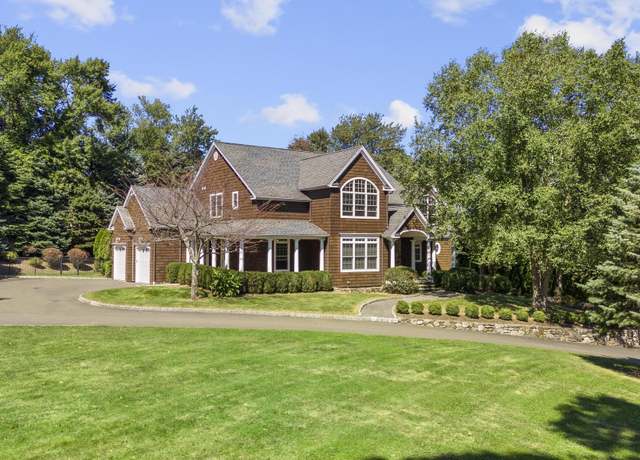
The Farmington Valley is known for attractive residential neighborhoods, wooded properties, and homes with established landscaping.
Those features can look beautiful during the fall, but they also require maintenance.
Leaves should be cleared from walkways and driveways. Gutters should be maintained, exterior lighting should work properly, and landscaping should look intentional rather than neglected.
As daylight hours decrease, interior lighting becomes increasingly important for photography and showings.
Buyers should also be able to see that the home is comfortable, well-maintained, and prepared for colder weather.
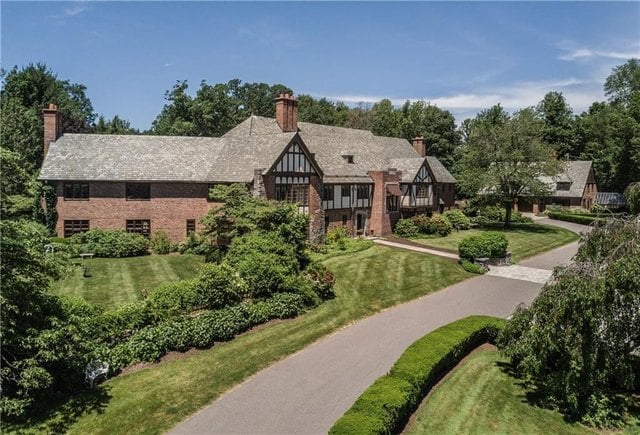
For properties with longer driveways, larger lots, or extensive landscaping, these details can be especially noticeable.
A home doesn't need spring flowers to show well. It needs thoughtful preparation.
If your home needs substantial work before listing, waiting may be the better choice.
For example, you might need time to address deferred maintenance, complete exterior improvements, or prepare the property after a major life change.
Some projects are also more difficult to schedule once colder weather arrives.
However, homeowners sometimes delay selling because they believe every room needs to be renovated or every cosmetic imperfection corrected.
That isn't always necessary.
The right preparation strategy depends on your home's current condition, your expected selling price, and what buyers are likely to notice.
In some cases, targeted improvements, professional cleaning, decluttering, and strong photography may be more valuable than spending months on unnecessary renovations.
If you're planning to sell your current Farmington Valley home and purchase another property, your decision becomes more complicated.
You aren't simply trying to maximize your sale price.
You're also coordinating two transactions.
Waiting until spring might expose you to more competing listings as a seller, but it could also provide more homes to choose from as a buyer.
Selling before winter could allow you to move forward sooner, particularly if you've already identified where you want to go.
The best strategy depends on your financing, available equity, preferred timeline, and whether you need to sell before purchasing.
These are decisions worth evaluating before choosing a listing date.
Despite the potential advantages of a fall sale, waiting can absolutely be the right decision.
Maybe your home needs repairs that can't reasonably be completed before winter.
Maybe you're not financially or logistically prepared to move.
Maybe the current competition in your specific price range makes listing less appealing.
Or perhaps your personal timeline simply works better several months from now.
There is nothing wrong with waiting when you have a clear reason.
The mistake is assuming that spring is automatically the best selling season without examining the alternatives.
If you're considering selling your home in the Farmington Valley, the decision should start with your specific property and the current market.
Look at what has sold recently.
Review the homes currently competing for buyers.
Consider how your property compares in condition, size, location, and price.
Then evaluate your timeline, carrying costs, and plans after the sale.
For some homeowners, listing before winter may provide an opportunity to reach motivated buyers with fewer competing properties.
For others, preparing now and launching in spring may be the better strategy.
The best time to sell isn't necessarily the busiest season. It's the time when your home's market position and your personal circumstances align.
If you're thinking about selling in Avon, Farmington, Simsbury, Canton, Granby, I can help you review recent comparable sales, evaluate current competition, and develop a pricing and marketing strategy around your timeline.
Adam Cannon, Realtor
Coldwell Banker Realty | West Hartford
Stay up to date on the latest real estate trends.


Whether buying, selling, or exploring your options, I am ready to help you achieve your goals. With experience, integrity, and commitment, I’m the partner you can count on for exceptional real estate results.