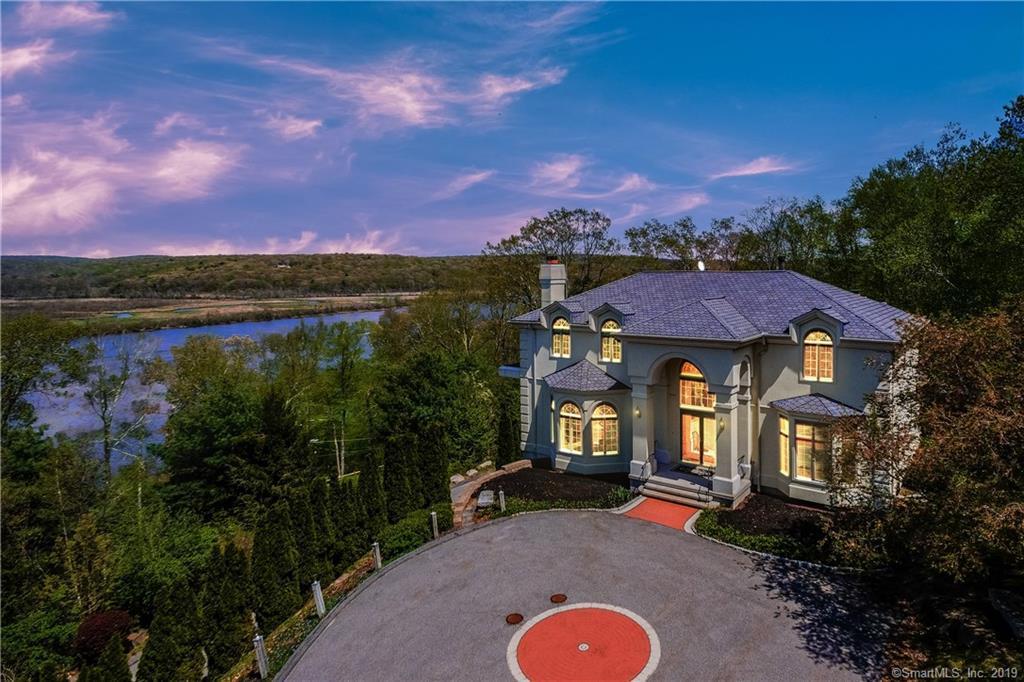
Should You Buy the Most Expensive Home in the Neighborhood?
Adam Cannon August 17, 2026
Adam Cannon August 17, 2026
There's an old piece of real estate advice that says you should never buy the most expensive home in the neighborhood.
The reasoning sounds simple. If the surrounding homes are worth significantly less, they could limit how much your property appreciates, while buying a less expensive home in a highly desirable area may provide more room for future value growth.
But like most real estate advice, the reality is more nuanced.
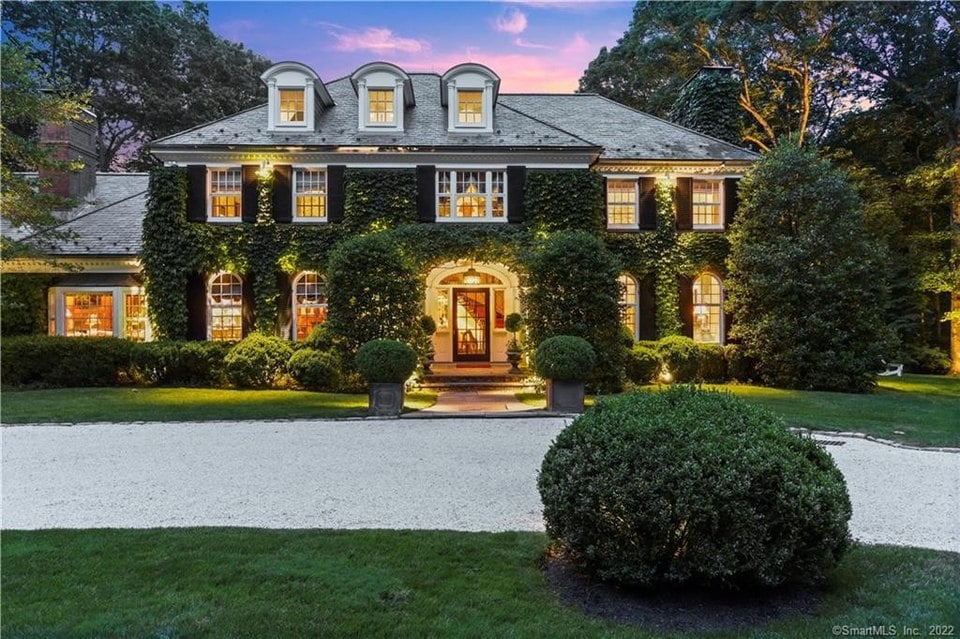
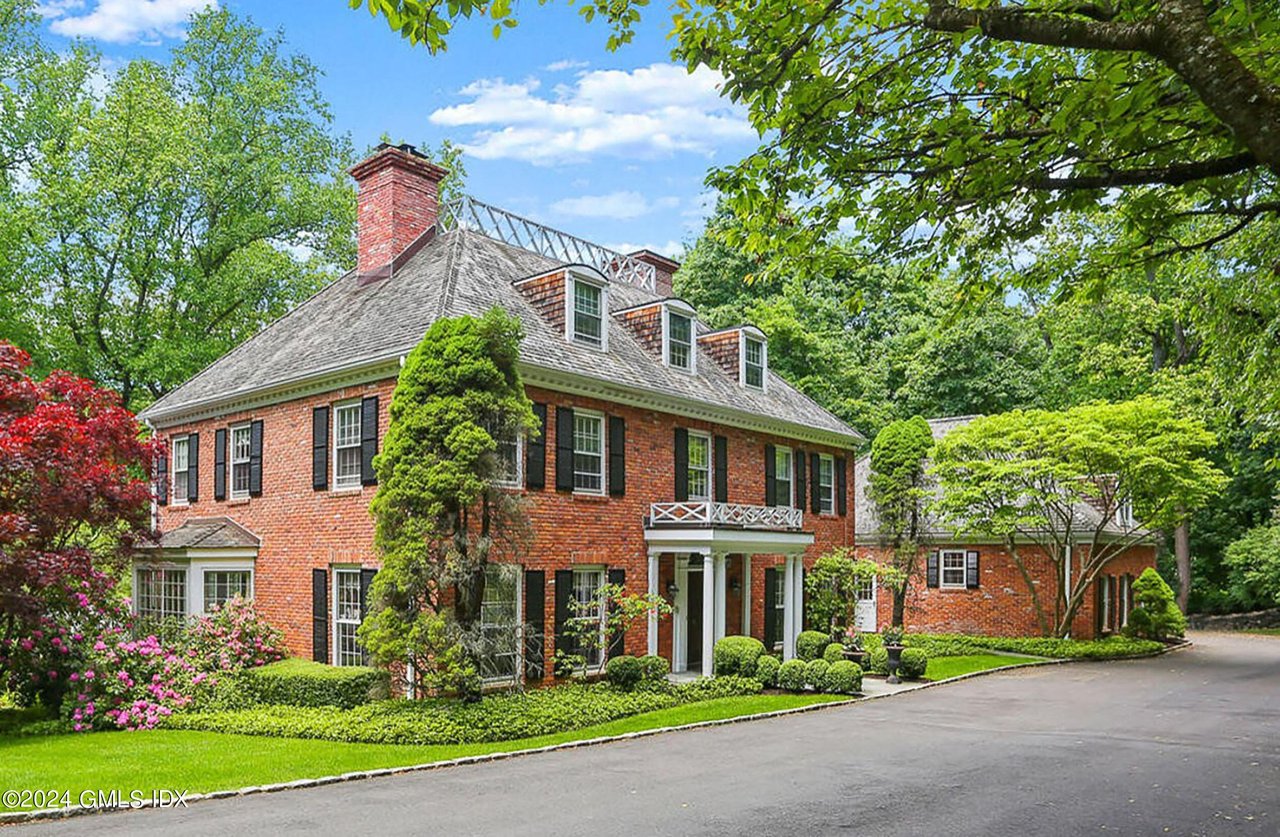
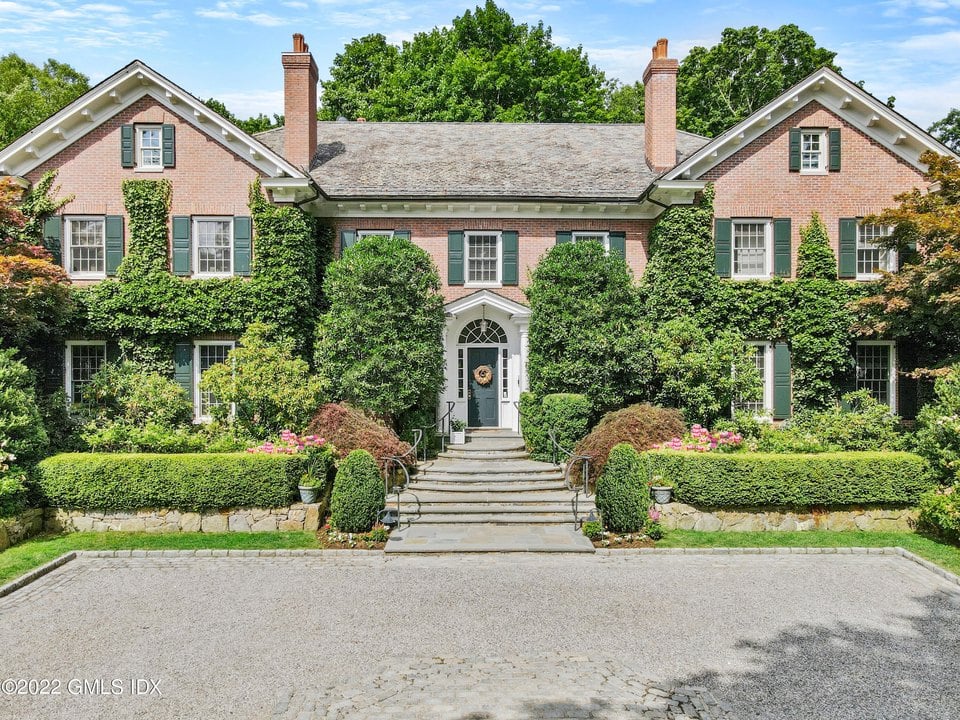
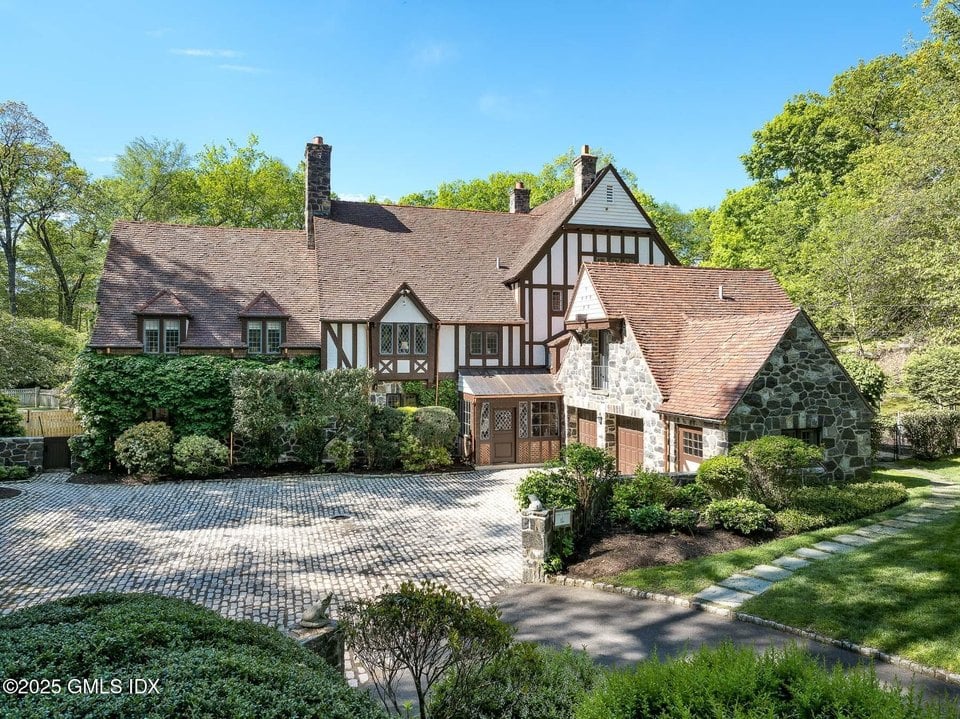
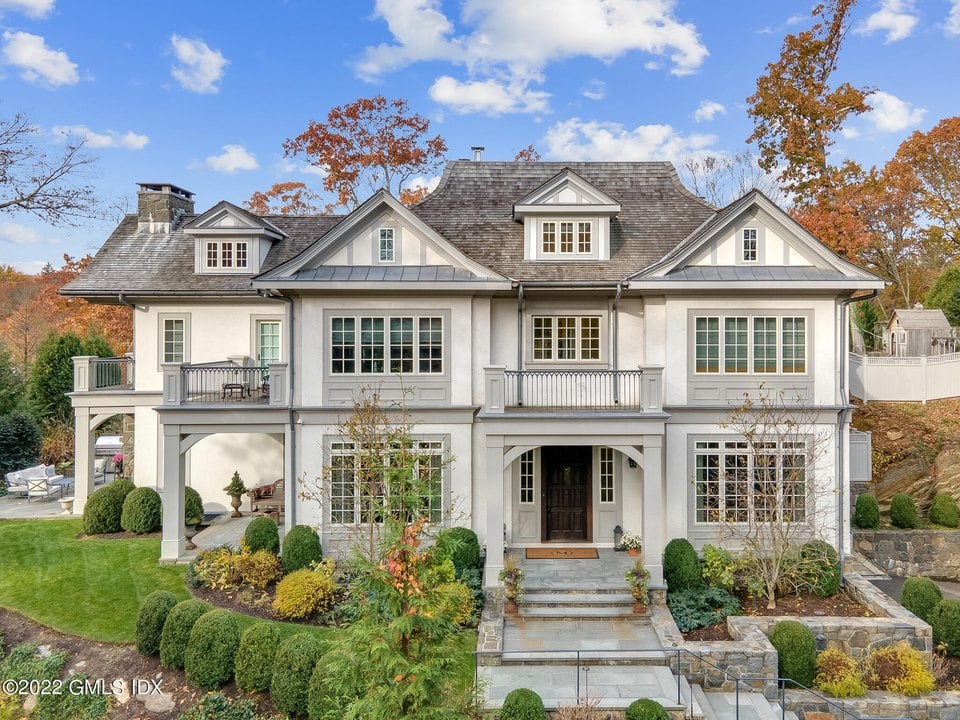
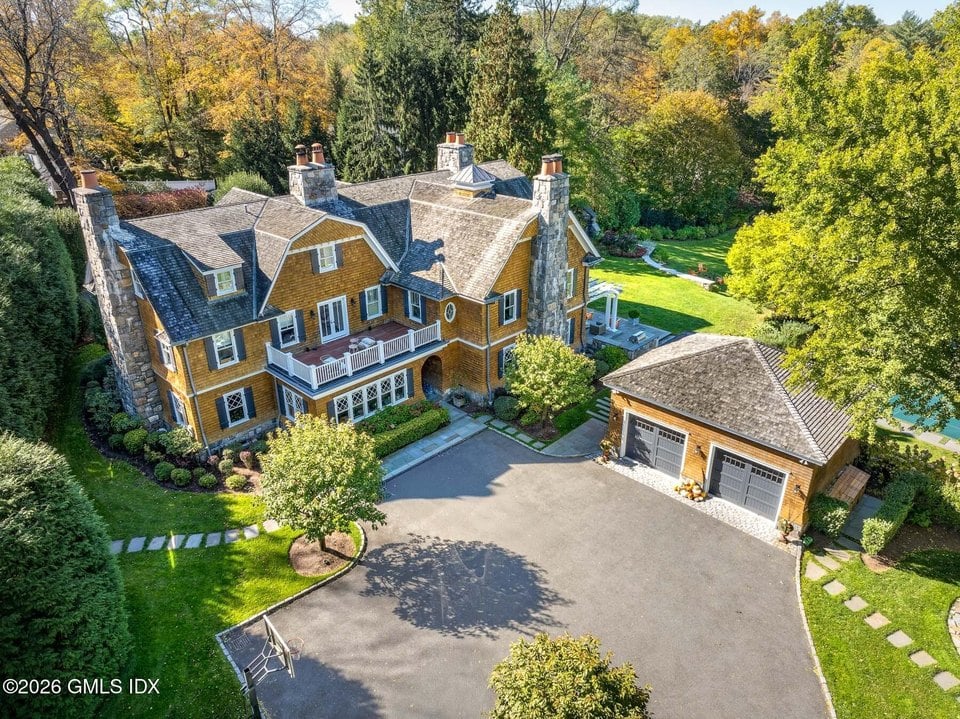
This question becomes particularly interesting in the luxury market, where individual properties can differ dramatically in architecture, acreage, craftsmanship, renovations, privacy, and amenities.
So, should you actually avoid the most expensive home in the neighborhood?
Not necessarily. But you should understand exactly why you're paying the premium.
A home's value isn't determined in isolation.
Location, neighborhood desirability, recent comparable sales, and nearby properties all influence how buyers and the market perceive its value.
If most homes in a neighborhood sell between $700,000 and $900,000 and one property is priced at $1.5 million, buyers should understand what makes that particular home different.
Perhaps it has twice the acreage. Maybe it's a custom build with substantially better materials. It could have undergone an extensive renovation or occupy the neighborhood's best lot.
The price difference may be completely justified, but the reason for it should be identifiable.
Traditional comparable sales become more complicated as properties become more unique.
Two homes can have similar square footage while offering completely different levels of quality and value.
One might feature builder-grade finishes on a relatively standard lot. Another could include custom millwork, premium windows, natural stone, extensive landscaping, a pool, sophisticated mechanical systems, and exceptional outdoor living spaces.
Looking only at square footage or bedroom count wouldn't capture those differences.
That's why evaluating a high-end property requires understanding the entire home rather than relying on one metric.
One useful question is whether the qualities making the home more expensive could easily be recreated somewhere else.
A renovated kitchen can be recreated.
A spectacular lot usually can't.
The same is true for exceptional views, unusual privacy, significant acreage, architectural significance, or a premier position within a highly desirable neighborhood.
Luxury buyers often pay premiums for scarcity. When a property's most valuable characteristics are genuinely difficult to replicate, being the neighborhood's most expensive home may be less concerning.
There's another scenario buyers should evaluate carefully: a homeowner who has invested significantly more into a property than the surrounding market supports.
An owner might spend hundreds of thousands of dollars on renovations, additions, elaborate landscaping, or highly customized amenities.
Those improvements may be exceptional, but spending $300,000 on a renovation doesn't automatically increase the home's market value by $300,000.
This is particularly important when evaluating heavily customized luxury homes.
The question isn't simply how much the seller invested. It's how much today's buyers are willing to pay for the finished property.
Even if you plan to stay for many years, resale deserves some consideration.
A home at the very top of its neighborhood's price range may eventually appeal to a smaller pool of buyers.
Someone with a $1.5 million budget, for example, may compare that property not only with other homes in the immediate neighborhood but also with homes in entirely different communities.
That creates a different competitive landscape when it's eventually time to sell.
In Hartford County, a luxury buyer might simultaneously consider properties in West Hartford, Avon, Farmington, Simsbury, and other nearby communities. Each location may offer a different combination of space, privacy, amenities, architecture, and convenience.
Understanding those alternatives can help you evaluate whether a premium is sustainable.
Resale value matters, but it shouldn't become the only consideration.
A home isn't simply an investment account.
If a property offers the exact location, lot, architecture, privacy, and lifestyle you've been searching for, paying a reasonable premium may be completely worthwhile.
This is particularly true for buyers planning to remain in the home for a long time.
Sometimes the most expensive home in the neighborhood is the most expensive for a very good reason.
Instead of asking whether a property is the most expensive home in the neighborhood, ask a better question:
Is this home worth what I'm being asked to pay for it?
Look at comparable sales, but also consider the features that make the property different. Evaluate the lot, location, construction quality, renovations, condition, privacy, amenities, and overall scarcity.
Then consider your own priorities.
If you're buying a luxury home in Hartford County or the Farmington Valley, you don't necessarily need to avoid the property at the top of the neighborhood's price range.
You simply need to understand why it's there.
When the premium is supported by qualities buyers will continue to value, the most expensive home in the neighborhood can still be the right home to buy.
Adam Cannon, Realtor
Coldwell Banker Realty | West Hartford
Stay up to date on the latest real estate trends.
Whether buying, selling, or exploring your options, I am ready to help you achieve your goals. With experience, integrity, and commitment, I’m the partner you can count on for exceptional real estate results.