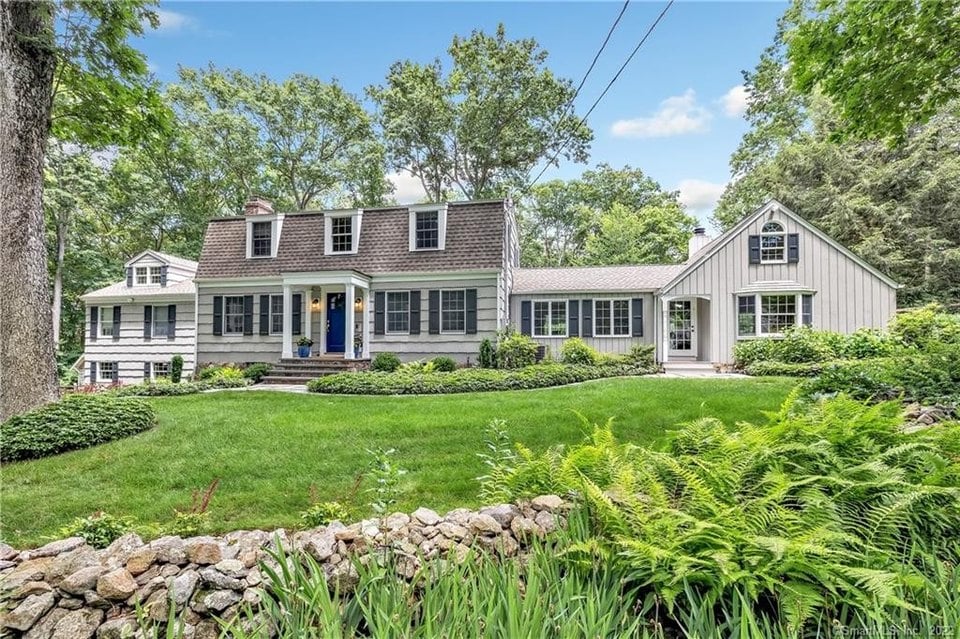
Should I Buy a House That Needs Work or Pay More for Move-In Ready?
Adam Cannon September 11, 2026
Adam Cannon September 11, 2026
A house that needs work can be tempting.
Maybe it's priced $75,000 below a renovated home nearby. Maybe you love the location but hate the kitchen. Or maybe you're wondering whether buying something imperfect is the only way to stay within budget.
At the same time, a move-in-ready house may cost more upfront but require far less money, time, and stress after closing.
So which is actually the better buy?
Not all fixer-uppers are equal.
Cosmetic projects like painting, replacing flooring, updating light fixtures, or changing countertops are very different from major renovations.
A house needing a roof, windows, electrical updates, HVAC replacement, plumbing work, drainage improvements, or structural repairs can become expensive quickly.
Before comparing prices, separate optional improvements from necessary repairs.
A dated kitchen can wait. A failing septic system usually can't.
This is one of the biggest mistakes buyers make.
Suppose one home costs $425,000 and needs $80,000 in renovations, while a renovated alternative costs $500,000.
At first glance, the fixer may look cheaper.
But you'll also need to consider financing, closing costs, contractor pricing, permits, materials, unexpected problems, and whether renovation expenses need to come from cash after closing.
Projects also have a habit of expanding once walls are opened.
The right comparison is total cost to get the home where you want it, not simply asking price versus asking price.
This can completely change the decision.
You may qualify for the mortgage on a fixer-upper but still need substantial cash for repairs and renovations.
If most of your savings are going toward the down payment and closing costs, an inexpensive house requiring immediate work could actually put more pressure on your finances than a more expensive move-in-ready home.
Before buying, identify which projects must happen immediately and how you'll pay for them.
Don't assume you'll simply "do everything over time" if some repairs can't realistically wait.
Sometimes.
A home with significant condition issues may not qualify as easily for certain traditional mortgage programs. Depending on the property and scope of work, buyers may need to explore renovation financing or other loan structures.
That can affect the approval process, appraisal, timeline, required documentation, and how renovation funds are handled.
If you're considering a true fixer-upper, involve your lender early rather than discovering financing complications after you're already under contract.
This sounds obvious, but it's easy to underestimate.
Renovation may mean contractors arriving early, rooms being unusable, dust throughout the house, unexpected delays, decisions every week, and living with unfinished spaces longer than planned.
Some buyers enjoy the process because they're creating exactly what they want.
Others quickly realize they'd rather have paid more to unpack their boxes and be done.
Neither approach is better. It depends on your patience, schedule, budget, and tolerance for disruption.
One major advantage of buying a house that needs work is customization.
Instead of paying a premium for someone else's renovation choices, you can select your own finishes, layout changes, materials, and priorities.
You may also be able to buy in a neighborhood or location where renovated homes would otherwise exceed your budget.
For the right buyer, that flexibility can be incredibly valuable.
Just remember that not every renovation automatically creates equal resale value.
A renovated home isn't automatically problem-free.
Fresh paint, new countertops, and beautiful staging can make a property feel completely finished while older mechanical systems or poorly completed renovations remain underneath.
You still need to evaluate the roof, HVAC, electrical, plumbing, windows, drainage, foundation, and quality of completed work.
"Move-in ready" describes how a home feels. It doesn't guarantee that every major component is new.
It depends on what you're buying and what you plan to change.
A well-located property with functional improvements can create strong long-term value, especially if you avoid over-improving relative to nearby homes.
But buying a fixer solely because you expect to make a large profit after renovations can be risky.
Construction costs change. Market conditions change. And some improvements matter far more to future buyers than others.
If resale is important, focus first on location, layout, overall property quality, and improvements with broad appeal.
A house that needs work may be a good fit if the location is excellent, the purchase price leaves room for realistic renovations, you have sufficient cash or appropriate financing, and the home's underlying structure and layout work for you.
It also helps if you're planning to own the home long enough to enjoy the improvements instead of needing an immediate return.
Paying more can make sense when you value certainty and convenience.
If the renovated home fits comfortably within your budget, has updates you genuinely like, and reduces the likelihood of major near-term expenses, the premium may be worth it.
You're not simply paying for granite countertops or new flooring.
You're potentially paying to avoid months of planning, construction, surprise costs, and disruption.
There isn't a universal winner.
The fixer-upper may offer better value if the price difference genuinely exceeds the cost and inconvenience of the work.
The move-in-ready home may be the smarter financial decision if renovations would consume your savings or push the total cost beyond what the renovated property already costs.
Before choosing, compare the homes as they would exist after the necessary work is complete.
Look at purchase price, immediate repairs, desired renovations, financing, ownership costs, time, and risk.
Sometimes the ugly house really is the opportunity.
Other times, paying more upfront is the cheaper decision in the long run.
Adam Cannon, Realtor
Coldwell Banker Realty | West Hartford
Stay up to date on the latest real estate trends.
Whether buying, selling, or exploring your options, I am ready to help you achieve your goals. With experience, integrity, and commitment, I’m the partner you can count on for exceptional real estate results.