Is My Home Considered Luxury in Connecticut?
Adam Cannon October 27, 2026
What actually makes a home a luxury property? Is it the price, the square footage, the location, or something else entirely?
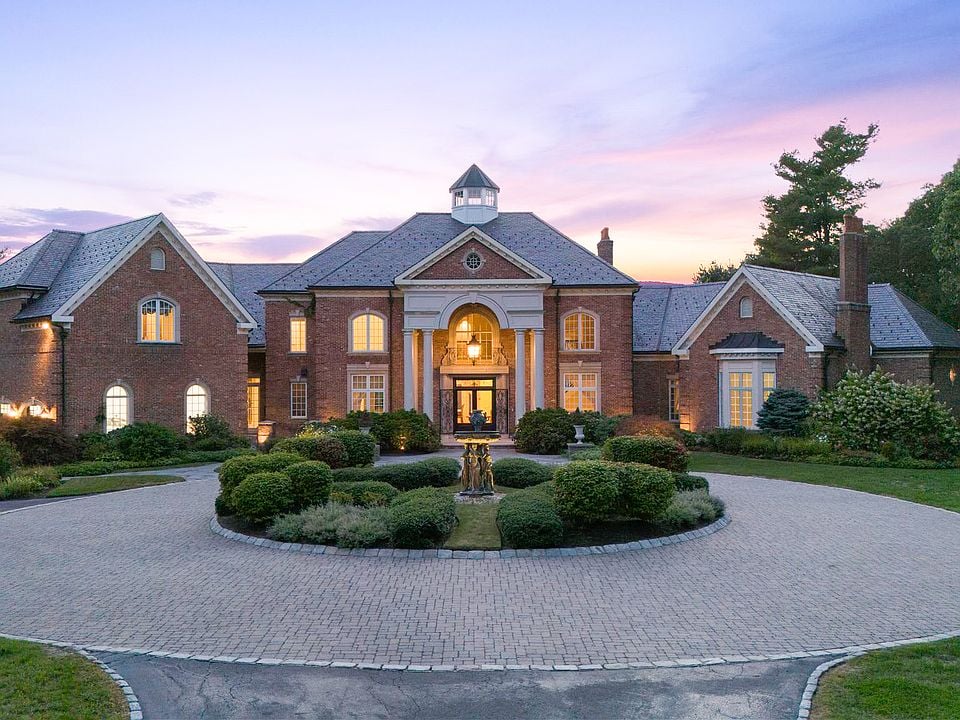
If you own a distinctive home in Connecticut, you may wonder whether it belongs in the luxury real estate market. Perhaps your property features custom architecture, exceptional craftsmanship, expansive grounds, or amenities rarely found in surrounding homes.
But having an expensive home and owning a luxury property aren't necessarily the same thing.
Luxury real estate is defined by a combination of quality, design, location, exclusivity, and overall property experience. While price helps establish where a home fits within its local market, it doesn't tell the entire story.
For homeowners in West Hartford, Avon, Farmington, Simsbury, and throughout Hartford County, understanding these distinctions is especially important when preparing to sell.
There is no single, universally accepted definition of a luxury home.
Some real estate market reports classify luxury properties based on their position within the highest-priced segment of a particular market. This can be useful for analyzing housing trends, but it doesn't necessarily describe the characteristics that make an individual property luxurious.
A home may command a substantial price because of its location, acreage, or limited available inventory without necessarily offering exceptional construction, distinctive architecture, or premium finishes.
Likewise, a property may have extraordinary design and craftsmanship that distinguish it from other homes in its market.
Luxury is best understood by looking at the complete property rather than relying on its asking price alone.
Luxury homes often offer a combination of characteristics that distinguish them from more conventional properties.
These may include:
Not every luxury home needs all these features.
What matters is how the property's individual characteristics work together to create an exceptional living experience.
Absolutely.
A property's price can reflect several factors that have little to do with its level of luxury.
Location, land value, market demand, property size, and limited inventory can all contribute to a higher selling price.
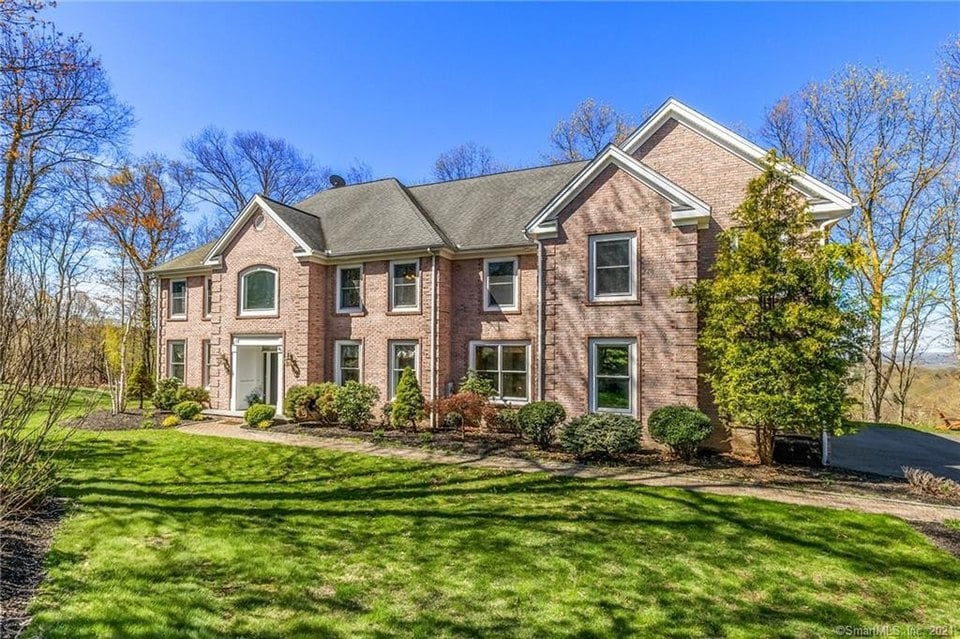
For example, a large home in a desirable neighborhood may command a premium simply because of its square footage and location.
However, if the property has standard finishes, an inefficient layout, dated interiors, or relatively conventional construction, it may not offer the same experience as a thoughtfully designed custom home.
This doesn't make it a less desirable property. It simply means that a high market value and luxury characteristics are not interchangeable.
When evaluating a home, it's important to consider both its financial position within the market and the qualities that distinguish it from competing properties.
Not necessarily.
Although many luxury properties offer substantial square footage, size alone doesn't determine quality.
A smaller home with exceptional architectural design, premium materials, a desirable setting, and carefully planned living spaces may offer a more luxurious experience than a much larger property.
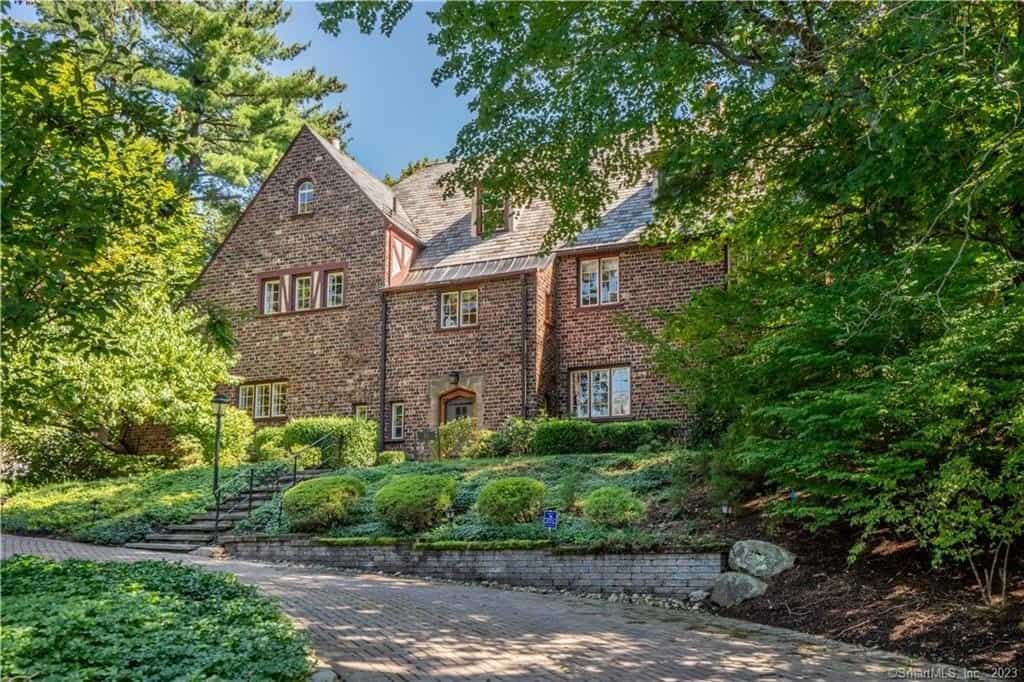
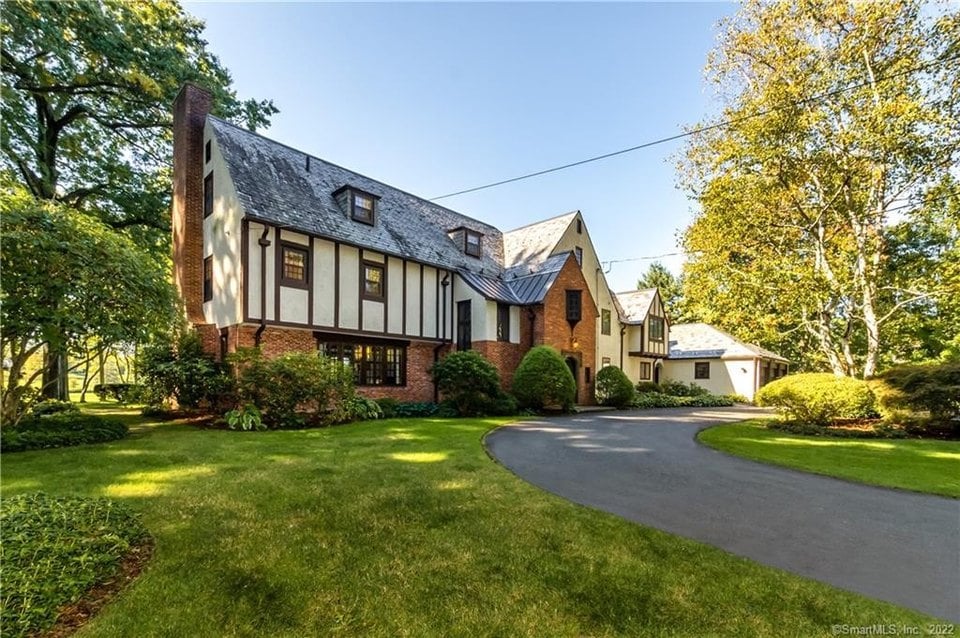
In West Hartford, for example, a beautifully restored historic home with custom finishes and architectural character may appeal to buyers seeking a different lifestyle than those considering a sprawling estate in the Farmington Valley.
Both properties may occupy the luxury segment, but for entirely different reasons.
The value of a luxury home often comes from the quality and uniqueness of its features rather than the quantity of space it provides.
Luxury properties in West Hartford can vary considerably in architectural style, size, and setting.
Some homes stand out for their historic character, exceptional renovations, and proximity to West Hartford Center.
Others offer expansive interiors, substantial lots, custom architectural details, and carefully designed outdoor spaces.
For buyers who prioritize convenience, walkability, and established neighborhoods, location may be a particularly important component of the luxury experience.
A property's appeal should be evaluated within the context of its neighborhood and the expectations of buyers searching in that area.
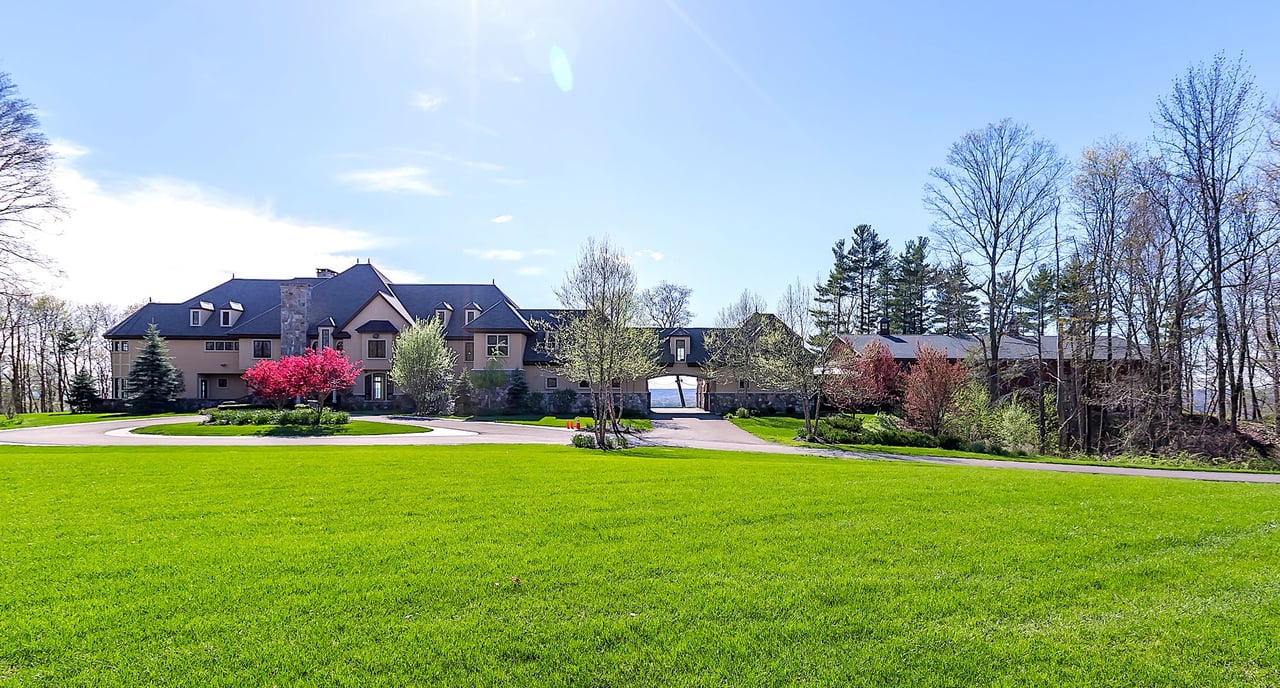
In Avon, Farmington, Simsbury, and surrounding Farmington Valley communities, luxury properties may offer a different combination of characteristics.
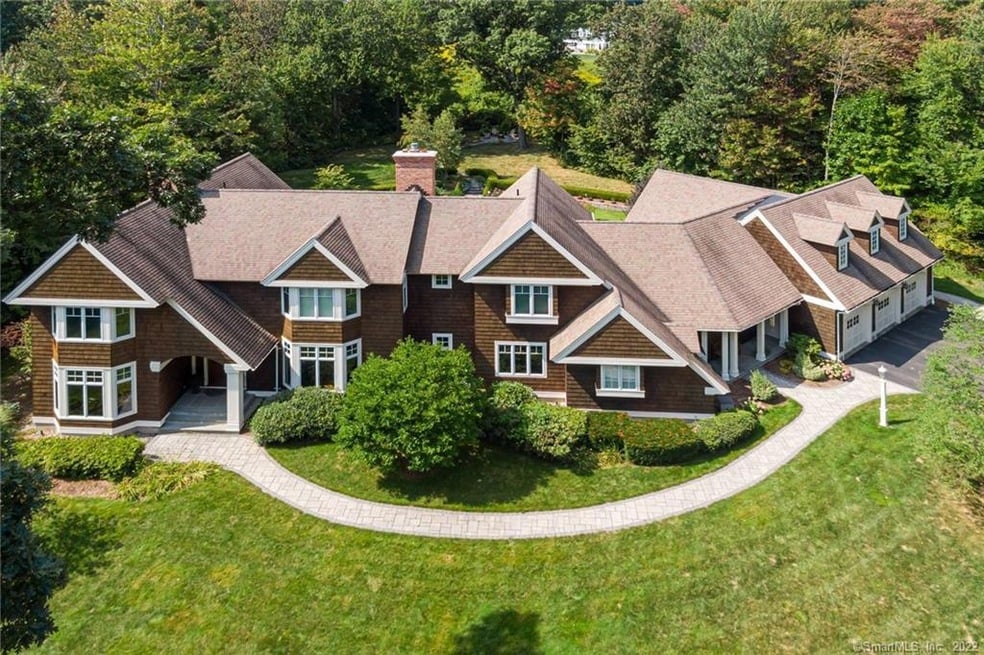
Custom construction, privacy, acreage, scenic views, and substantial outdoor living spaces can be especially appealing.
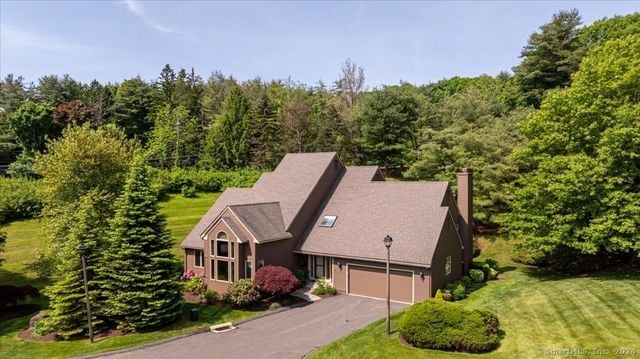
A contemporary property with floor-to-ceiling windows, dramatic vaulted ceilings, and elevated views may attract buyers seeking modern architectural design.
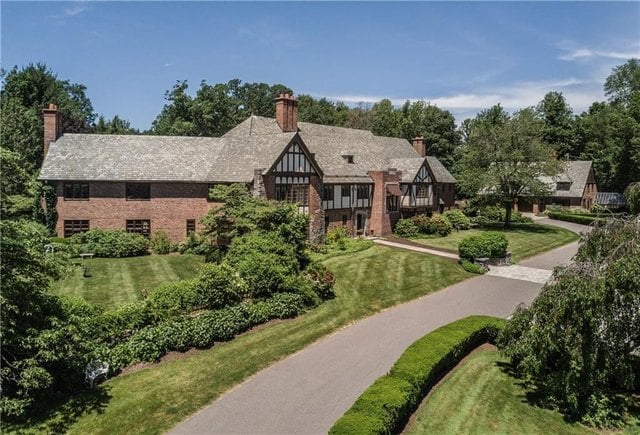
A traditional estate with mature landscaping, extensive stonework, and formal entertaining spaces may appeal to an entirely different audience.
Neither style is inherently more luxurious.
The distinction comes from the quality of execution, property setting, and overall experience the home provides.
Understanding those differences is important when identifying the right buyer audience and positioning a property for sale.
Yes, to an extent.
The local housing market influences how a property is positioned, which homes it competes against, and what buyers expect.
A property considered exceptional in one community may have more direct competition in another area with a larger concentration of custom-built homes or estates.
However, market position and luxury quality are two separate considerations.
A home can rank among the most expensive properties in its town without necessarily offering distinctive luxury features.
Similarly, a thoughtfully designed property may have genuine luxury characteristics even if it isn't among the highest-priced homes in the region.
For sellers, both factors matter when evaluating the home and developing an appropriate marketing strategy.
Determining whether a property belongs in the luxury market requires a more detailed evaluation than simply reviewing an online home value estimate.
A comparative market analysis can help establish the property's likely value and identify relevant competing homes.
However, for distinctive properties, the analysis should go beyond bedroom counts, bathrooms, and square footage.
Important considerations may include:
Some luxury properties have relatively few direct comparables, making careful evaluation particularly important.
The goal is to understand not only what the property may be worth, but also what distinguishes it within the local housing market.
Often, yes.
Luxury buyers may place significant importance on characteristics that aren't immediately apparent from a standard listing description.
Architectural details, craftsmanship, privacy, natural light, and the relationship between indoor and outdoor living spaces may all influence how a property is perceived.
Effective luxury marketing should communicate those qualities through thoughtful photography, detailed property descriptions, appropriate presentation, and exposure to relevant buyers.
It should also reflect the property's individual strengths.
For one home, the most compelling feature may be its architectural design. For another, it may be the privacy of the grounds, the quality of a recent renovation, or an exceptional view.
Simply describing a property as luxurious isn't enough.
Buyers should be able to understand what makes the home distinctive and why those features matter.
Not automatically.
A property's value is ultimately influenced by what qualified buyers are willing to pay in the current market.
Using the word "luxury" in a listing doesn't change the home's condition, location, design, or comparable sales.
Likewise, expensive renovations don't always produce an equivalent increase in resale value.
Luxury positioning should be supported by the property's actual characteristics and market competition.
An accurate valuation, compelling presentation, and thoughtful pricing strategy are more important than attaching a particular label to the home.
If you're considering selling a distinctive property in West Hartford, Avon, Farmington, Simsbury, or elsewhere in Hartford County, understanding its position within the luxury market is an important first step.
Some properties stand out because of their architecture and craftsmanship. Others offer exceptional privacy, acreage, location, or amenities that are difficult to replicate.
The most effective selling strategy starts with identifying those characteristics, understanding how they compare with competing properties, and determining which buyers are most likely to value them.
As a Realtor serving Hartford County and the Farmington Valley, I help homeowners evaluate their property's market position and develop pricing and marketing strategies that reflect its individual features.
Luxury isn't determined by a price tag alone. It's the combination of design, quality, setting, and distinctive characteristics that makes a property stand apart.
Adam Cannon, Realtor
Coldwell Banker Realty | West Hartford
Stay up to date on the latest real estate trends.
Whether buying, selling, or exploring your options, I am ready to help you achieve your goals. With experience, integrity, and commitment, I’m the partner you can count on for exceptional real estate results.