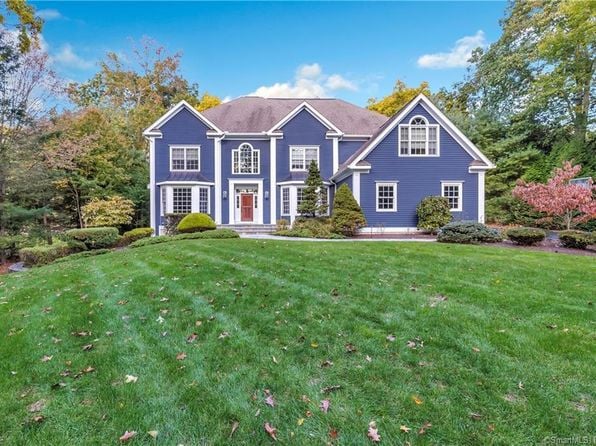
Is It Worth Paying Over Asking Price in West Hartford?
Adam Cannon October 12, 2026
You've been searching for a home in West Hartford, and you finally find one that checks most of your boxes.
The location is right. The layout works. The condition is good. And the asking price is within your budget.
Then you find out there are multiple offers, and suddenly you're considering paying $25,000, $40,000, or even $50,000 more than the listing price.
Is that a smart decision, or are you about to overpay?
It's one of the biggest questions buyers face in West Hartford's competitive housing market.
And the answer might surprise you.
Paying above asking price doesn't automatically mean you're paying more than a home is worth.
What matters is how the final purchase price compares to the property's actual market value.
West Hartford continues to attract buyers looking for established neighborhoods, convenient access to Hartford, restaurants, shopping, parks, and a wide variety of housing options.
When several buyers are interested in the same property, competition can push the final sale price above the original listing price.
According to Zillow, approximately 81% of West Hartford homes sold above asking price in July 2026.
That doesn't mean every home will receive multiple offers or sell for significantly more than its list price.
Demand can vary by neighborhood, price range, condition, and property type.
However, it does mean buyers should understand that the asking price may not represent what a home will ultimately sell for.
This is probably the most important distinction.
A seller might list a home at $450,000 because recent comparable sales suggest that price is appropriate.
Another seller might list a similar home at $450,000 even though comparable properties have been selling closer to $475,000.
Both homes have the same asking price, but that doesn't mean they have the same market value.
In the second situation, offering $475,000 isn't necessarily overpaying.
You may simply be offering what the market supports.
That's why I encourage buyers to look beyond the number displayed on Zillow or the MLS.
The asking price tells you what the seller is requesting. Comparable sales help you understand what buyers have actually been willing to pay.
Before deciding how much to offer, look at recent sales of comparable properties.
Ideally, those properties should be similar in location, square footage, style, condition, and overall features.
For example, two West Hartford Colonials may have similar bedroom counts but very different values.
One might have a renovated kitchen, updated mechanical systems, central air, and a finished basement.
The other may need substantial improvements.
Lot size, garage availability, bathrooms, layout, and proximity to amenities can also influence value.
Even within West Hartford, location differences can matter.
A home near West Hartford Center may appeal to a different group of buyers than a property in another part of town.
Rather than asking whether $500,000 is too much for a particular house, ask whether $500,000 is reasonable compared with similar homes that have recently sold.
Not automatically.
Consider two hypothetical properties.
Home A: Listed for $450,000 and sells for $500,000.
Home B: Listed for $500,000 and sells for $500,000.
Both buyers paid exactly the same amount.
But one paid $50,000 over asking, while the other paid full asking price.
Was the first buyer less financially responsible?
Not necessarily.
If both homes have similar market values, the difference may simply reflect how the sellers chose to price their properties.
This is why the percentage above asking price shouldn't be your primary measure of whether you made a good purchase.
A home selling for 10% above asking could still be reasonably priced.
A home selling below asking could still be overpriced relative to its condition and comparable sales.
The final price matters much more than the discount or premium relative to the listing price.
This is where buyers need to be especially careful.
If you're financing your purchase, your lender may require an appraisal to help determine the property's value.
Imagine you agree to purchase a West Hartford home for $500,000.
The appraisal comes back at $475,000.
Now there's a $25,000 difference between the contract price and the appraised value.
Depending on your loan structure and contract terms, that could affect how much the lender is willing to finance.
You may need to contribute additional cash, renegotiate the purchase price, request a reconsideration of value if the appraisal contains supported errors, or explore other options with your lender.
Whether you can terminate the transaction without losing your deposit depends on the protections and conditions in your contract.
That's why it's important to understand the potential consequences before submitting an aggressive offer.
Another mistake buyers make is focusing exclusively on the highest purchase price their lender will approve.
Just because you qualify for a particular mortgage amount doesn't mean you should spend that much.
Remember that buying a home involves more than your down payment.
You'll also need to account for closing costs, moving expenses, inspections, potential repairs, and the money you want to keep available after closing.
If offering significantly above asking leaves you with almost no financial cushion, the purchase may create unnecessary stress.
And if the appraisal comes in low, you could face an additional cash requirement depending on your financing.
Before making an offer, establish a purchase price that works with your entire financial picture.
An above asking offer may be reasonable when the property's market value supports it, competition is strong, and the home meets your long term needs.
Maybe you've been searching in West Hartford for months and finally find a property with the layout, condition, and location you want.
Maybe comparable homes have consistently sold above their original asking prices.
Or maybe the home offers features that are particularly difficult to find within your budget.
In those situations, making a competitive offer may be appropriate.
But the decision should still be supported by recent sales and a clear understanding of your financial limits.
The goal isn't to offer more simply because you expect everyone else to.
It's to determine what the property is worth to you while remaining realistic about the market.
Sometimes the smartest decision is deciding not to increase your offer.
If the price moves significantly beyond comparable sales, the home needs expensive repairs, or the monthly payment becomes uncomfortable, stepping away may be the better choice.
This can be difficult when you've already pictured yourself living there.
But buying a home is a major financial commitment.
You don't want to spend the next several years regretting a decision you made because you felt pressured during a multiple offer situation.
There will be other properties.
They may not be identical, and they may not become available immediately, but stretching beyond your limits isn't the only way to become a homeowner in West Hartford.
Price is important, but it isn't always the only factor sellers consider.
Financing strength, earnest money deposits, closing timelines, contingencies, and the overall certainty of the transaction can influence how a seller evaluates an offer.
For example, a seller who needs additional time to move may appreciate a buyer who can accommodate their preferred closing schedule.
Another seller may prioritize a buyer with strong financing and a straightforward transaction.
However, buyers should be cautious about giving up important protections simply to make an offer more attractive.
The strongest offer isn't necessarily the one with the highest price or fewest contingencies.
It's the one that balances competitiveness with your financial security and comfort level.
It certainly can be.
In a competitive market like West Hartford, the final sale price may exceed the original asking price, particularly when a home is attractively priced and receives significant buyer interest.
But paying above asking should never be the goal by itself.
What matters is whether the price is supported by comparable sales, whether the property fits your needs, and whether the purchase makes financial sense.
A home isn't automatically overpriced because it sells above asking, and it isn't automatically a bargain because it sells below asking.
The right strategy starts with understanding the property's value rather than reacting to its listing price.
If you're buying a home in West Hartford, I can help you evaluate recent comparable sales, understand the competition, and develop an offer strategy that gives you a strong opportunity to purchase without losing sight of your financial priorities.
Adam Cannon, Realtor
Coldwell Banker Realty | West Hartford
Stay up to date on the latest real estate trends.
Whether buying, selling, or exploring your options, I am ready to help you achieve your goals. With experience, integrity, and commitment, I’m the partner you can count on for exceptional real estate results.