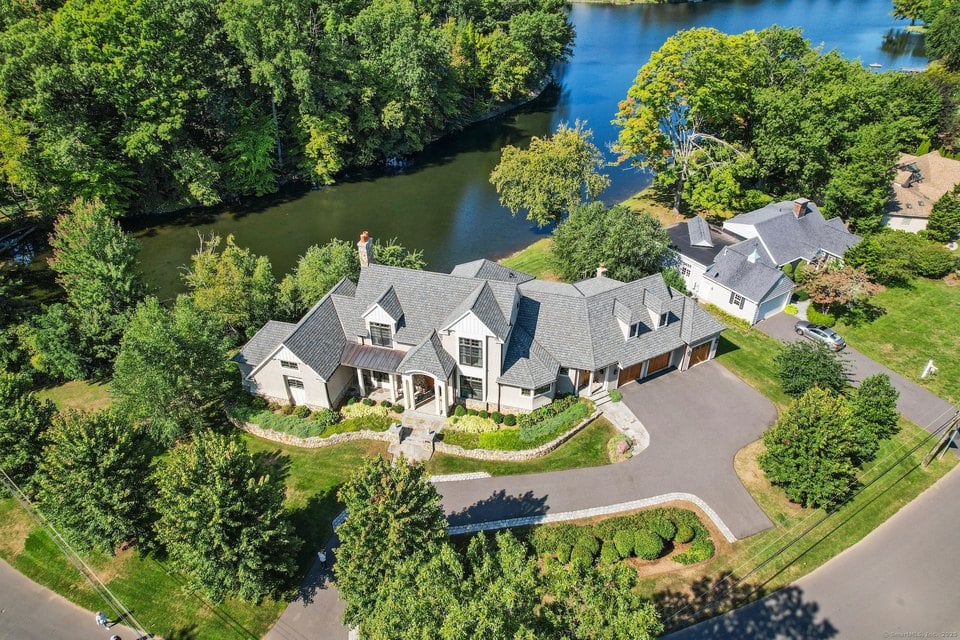
Is It Worth Paying More for a Better Lot?
Adam Cannon October 15, 2026
When buying a home in Connecticut, it's easy to focus on square footage, finishes, and interior features. But one of the most important factors influencing a property's value is something buyers sometimes overlook: the lot itself.
Is it worth paying more for a home with a better lot? Often, yes. A desirable lot can offer privacy, natural light, usable outdoor space, and long-term flexibility that may be difficult or impossible to recreate.
However, not every larger or more expensive lot is necessarily better. Understanding what makes land valuable can help you decide whether the premium is justified.
Unlike kitchens, bathrooms, flooring, or paint, many characteristics of a lot cannot be changed.
You can renovate an outdated home, but you generally can't move it farther from a busy road, eliminate neighboring houses, or completely change the property's natural terrain.
That's why buyers should evaluate the setting as carefully as the house itself.
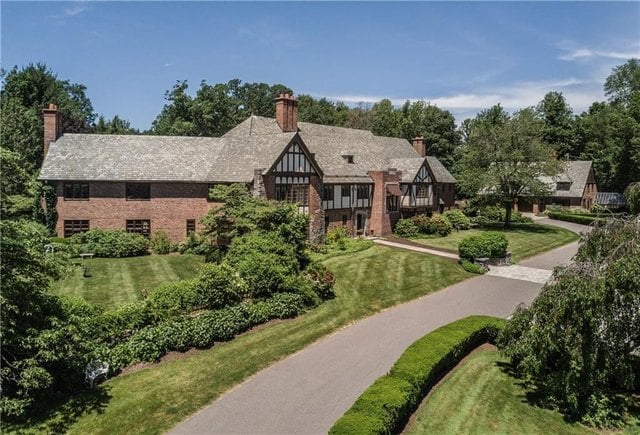
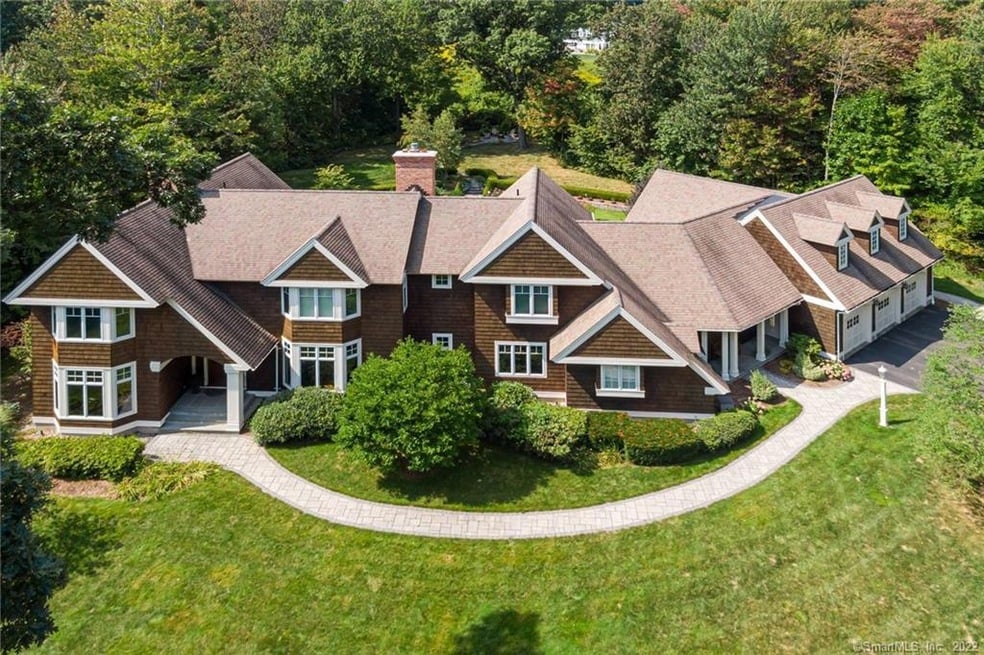
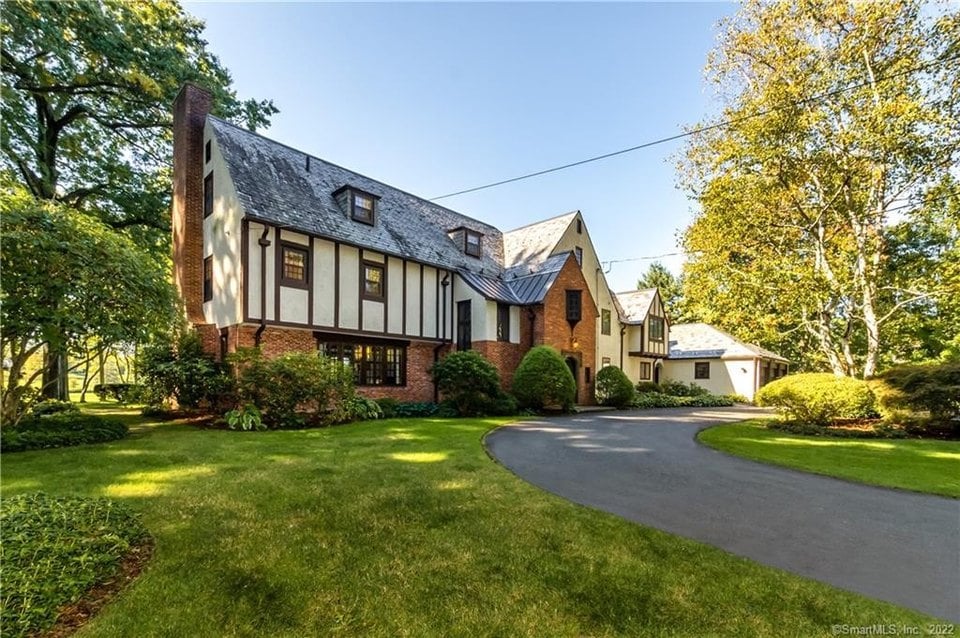
In established Hartford County neighborhoods, two similar homes may have significantly different values because of their surroundings, privacy, and usable land.
Not necessarily.
A three-acre property may sound more appealing than a one-acre property, but total acreage doesn't tell you how much of that land is actually usable.
Steep slopes, wetlands, drainage areas, wooded sections, and irregular boundaries can limit how you use a property.
Meanwhile, a smaller, level lot with attractive landscaping and a well-positioned home may provide more functional outdoor space.
Usable acreage often matters more than total acreage.
Privacy can be a major consideration, particularly for buyers evaluating higher-end homes.
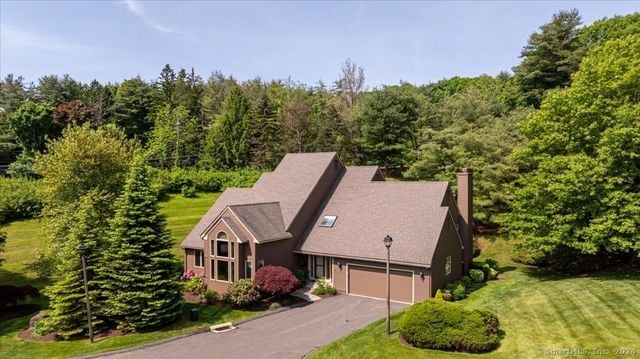
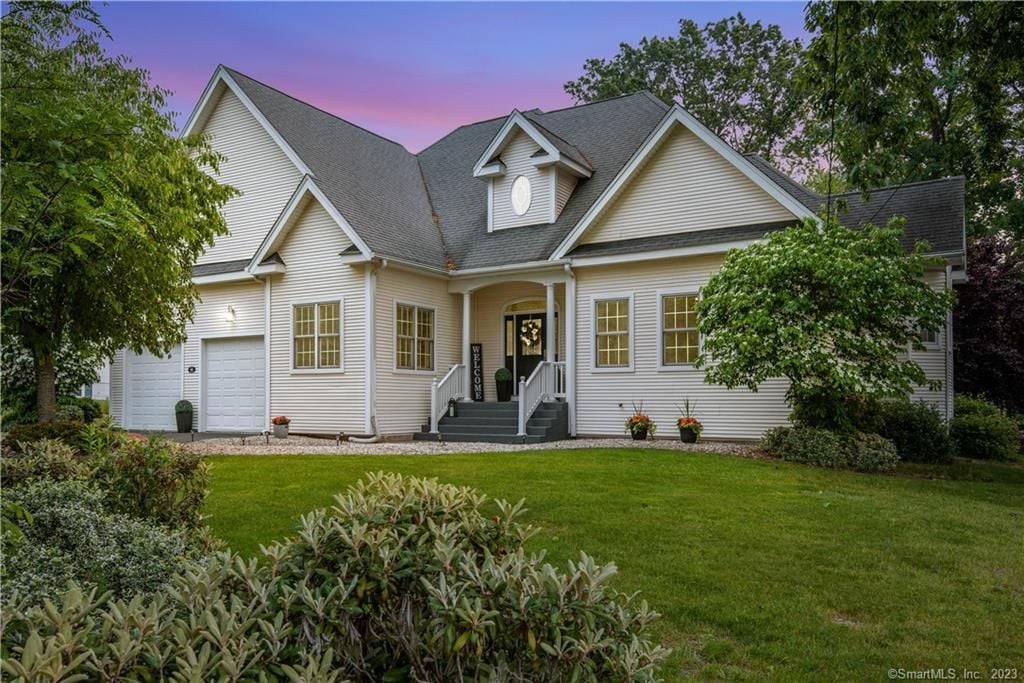
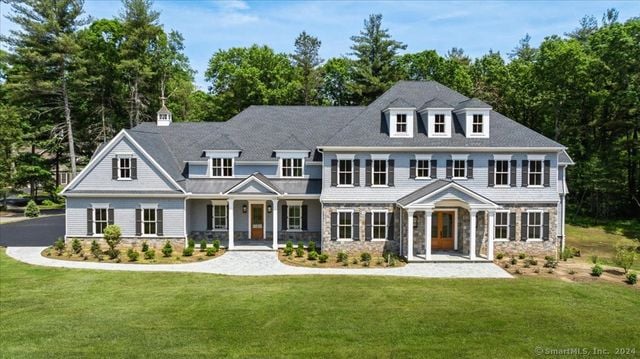
Mature trees, natural buffers, generous setbacks, and thoughtful positioning can create separation from neighboring properties.
But privacy isn't just about lot size.
A home on a smaller parcel with excellent landscaping may feel more secluded than a larger property with exposed outdoor areas.
Consider views from the windows, proximity to neighboring homes, road visibility, and whether outdoor living spaces feel genuinely private.
A beautiful lot can still come with expensive challenges.
Sloping terrain may affect driveway access, landscaping, water runoff, and the feasibility of future improvements.
Low-lying areas may experience standing water or drainage issues after heavy rainfall.
Before purchasing, investigate grading, visible erosion, drainage patterns, and any history of water intrusion.
If you're considering significant improvements, professional evaluations may be necessary to understand the property's limitations.
The way a house sits on its lot can dramatically affect the living experience.
Orientation influences natural light, views, outdoor comfort, and how different rooms feel throughout the day.
A property surrounded by mature trees may offer excellent privacy but less sunlight.
Another home may have beautiful afternoon light but limited shade around outdoor entertaining areas.
These details may seem minor during a showing, but they become part of everyday life.
Buyers considering larger properties often imagine future additions such as pools, patios, outdoor kitchens, guest spaces, or expanded garages.
But owning the land doesn't automatically mean every improvement is permitted.
Local zoning, setbacks, wetlands, septic systems, lot coverage, and other restrictions can affect what you're allowed to build.
Before paying a premium for a property's potential, investigate whether your plans are actually feasible.
It can.
Desirable land characteristics may appeal to future buyers because they're difficult to reproduce.
Privacy, attractive surroundings, usable outdoor space, and a favorable location can help distinguish a property from competing listings.
However, resale value still depends on market conditions, the home's condition, and what buyers in that particular area prioritize.
A large lot with significant maintenance demands may not appeal to everyone.
The goal is to identify features that provide lasting value rather than assuming more land automatically means a stronger investment.
This is where the decision becomes particularly interesting.
Imagine comparing two similarly priced homes. One has beautifully updated interiors but a less desirable setting. The other needs cosmetic improvements but sits on an exceptional lot.
Depending on the condition of the homes and your renovation budget, the second property may offer greater long-term potential.
Interior finishes can often be improved over time. Location, neighboring properties, and many physical characteristics of the land cannot.
That doesn't mean you should overlook major structural problems simply to secure a better lot.
It means evaluating which compromises are temporary and which ones you'll be living with permanently.
For many Connecticut buyers, a better lot can absolutely justify a higher purchase price.
But the premium should reflect meaningful advantages such as privacy, usability, location, natural light, and future flexibility.
When comparing homes in West Hartford, Farmington Valley, or elsewhere in Hartford County, don't focus exclusively on the house.
Consider what surrounds it, what you can realistically do with the property, and how those characteristics may influence your experience and eventual resale.
You can change a lot about a house. The land it sits on is a different story.
Adam Cannon, Realtor
Coldwell Banker Realty | West Hartford
Stay up to date on the latest real estate trends.
Whether buying, selling, or exploring your options, I am ready to help you achieve your goals. With experience, integrity, and commitment, I’m the partner you can count on for exceptional real estate results.