How Much Money Do You Need to Buy a House in Avon, CT?
Adam Cannon October 26, 2026
If you're thinking about buying a home in Avon, Connecticut, you've probably spent some time looking at available properties and comparing prices.
But there's a difference between knowing how much a house costs and understanding how much money you actually need to purchase it.
Do you need 20% down? How much are closing costs? And what will your monthly payment look like once property taxes and insurance are included?
The answers depend on your purchase price, financing, and financial situation.
Whether you're considering a $450,000 home or a property closer to $800,000, understanding the full cost of buying in Avon can help you establish a realistic budget before you start touring homes.
No. You don't necessarily need a 20% down payment to purchase a home in Avon.
Depending on your qualifications and loan program, some conventional mortgages allow down payments as low as 3%. FHA loans may offer down payments as low as 3.5% for eligible borrowers.
VA and USDA loans may offer zero down payment options for qualified buyers and eligible properties.
However, putting less than 20% down on a conventional mortgage typically means paying private mortgage insurance, commonly called PMI.
Your down payment also affects how much you borrow and your resulting monthly mortgage payment.
The right amount depends on your savings, financing options, and how much cash you want to retain after closing.
Let's look at three hypothetical purchase prices to understand how different down payments affect the amount of cash you'll need.
Purchase Price | 3% Down | 5% Down | 10% Down | 20% Down |
|---|---|---|---|---|
$450,000 | $13,500 | $22,500 | $45,000 | $90,000 |
$600,000 | $18,000 | $30,000 | $60,000 | $120,000 |
$800,000 | $24,000 | $40,000 | $80,000 | $160,000 |
These examples illustrate down payment amounts, not guaranteed loan eligibility.
Certain mortgage programs have loan limits, minimum investment requirements, and other qualifications that may affect your options.
A lender can help determine which programs are available for your specific purchase.
Your down payment isn't the only cash you'll need at closing.
Buyers also typically pay expenses associated with obtaining financing and completing the transaction.
These may include lender fees, appraisal costs, title-related expenses, attorney fees, recording charges, prepaid homeowners insurance, and property tax adjustments.
A common preliminary budgeting estimate is approximately 2% to 5% of the purchase price, although actual closing costs can fall outside that range.
Here's what that estimate looks like:
Purchase Price | 2% Closing Costs | 5% Closing Costs |
|---|---|---|
$450,000 | $9,000 | $22,500 |
$600,000 | $12,000 | $30,000 |
$800,000 | $16,000 | $40,000 |
These figures are estimates, not fixed Connecticut closing costs.
Your actual expenses depend on your lender, loan program, transaction terms, insurance, and other factors.
Some costs may also be negotiated or covered through permitted seller concessions, depending on the transaction.
Let's use a $600,000 home as an example.
If you're purchasing with a 5% down payment, you'd need $30,000 toward the purchase price.
Using the estimated closing cost range of 2% to 5%, you might budget another $12,000 to $30,000.
That puts your preliminary total cash requirement at approximately $42,000 to $60,000.
With 10% down, that estimate increases to approximately $72,000 to $90,000.
With 20% down, it increases to approximately $132,000 to $150,000.
These estimates don't include moving expenses, optional improvements, or additional reserves you may want to maintain.
Your actual cash to close may also be affected by earnest money already deposited, lender credits, seller concessions, and transaction-specific adjustments.
The important takeaway is that your down payment and your total cash requirement are not the same thing.
Property taxes are a significant part of homeownership costs and should be considered before determining your maximum purchase price.
Avon's mill rate for the 2025 Grand List is 31.80 mills.
In Connecticut, real estate is generally assessed at 70% of its estimated fair market value as of the applicable revaluation date.
Property taxes are calculated using the assessed value and applicable mill rate, with one mill representing $1 in taxes per $1,000 of assessed value.
For example, a property with an assessed value of $400,000 at a 31.80 mill rate would have an annual tax calculation of $12,720, or approximately $1,060 per month.
That's an illustrative calculation, not a prediction of the taxes on a $400,000 or $600,000 home.
A property's assessed value may differ substantially from its purchase price, and assessments and tax rates can change.
When evaluating homes in Avon, review the actual property tax records and consider potential future changes rather than relying solely on the seller's current monthly payment.
The purchase price and down payment determine how much you need to borrow, but several other factors influence your monthly housing payment.
These include your mortgage interest rate, loan term, property taxes, homeowners insurance, and mortgage insurance when applicable.
For example, if you purchase a $600,000 home with 10% down, your starting mortgage principal would be approximately $540,000 before any financed fees.
Your principal and interest payment would depend on the rate and loan term offered by your lender.
You would then need to account for property taxes, homeowners insurance, and potentially PMI.
If the property is part of an association, monthly or annual association fees could add another expense.
This is why buyers should focus on the total monthly payment rather than simply determining the maximum mortgage amount for which they qualify.
Even after closing, homeownership involves expenses beyond the mortgage.
Depending on the property, these may include heating, electricity, water, sewer or septic maintenance, landscaping, snow removal, and routine repairs.
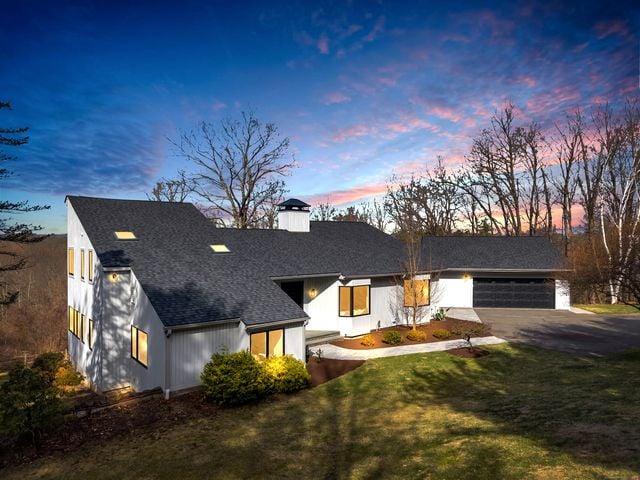
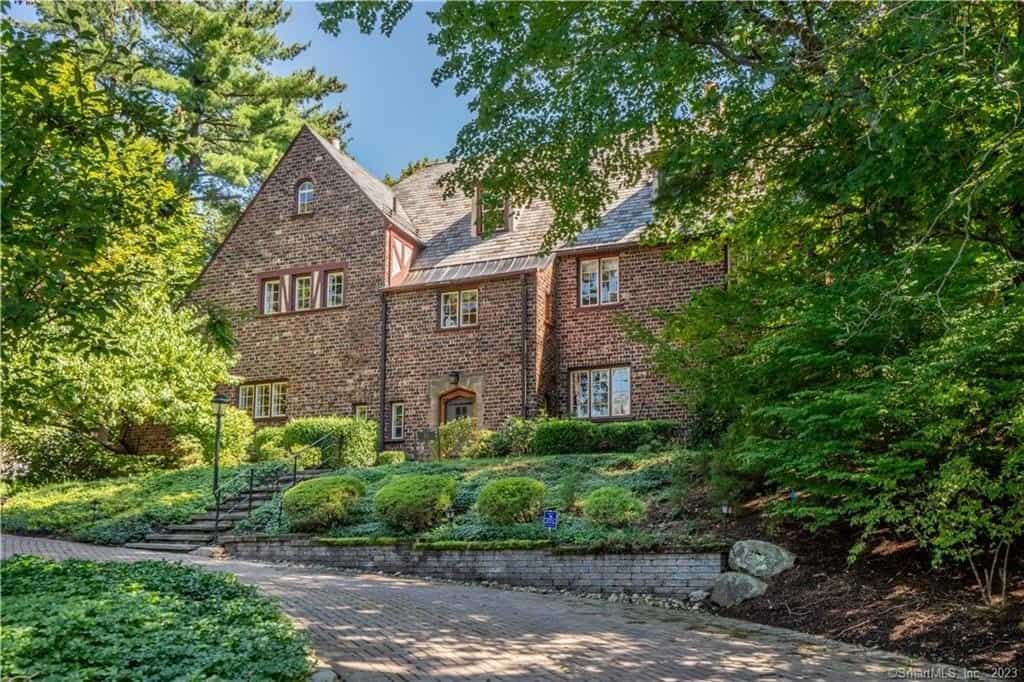
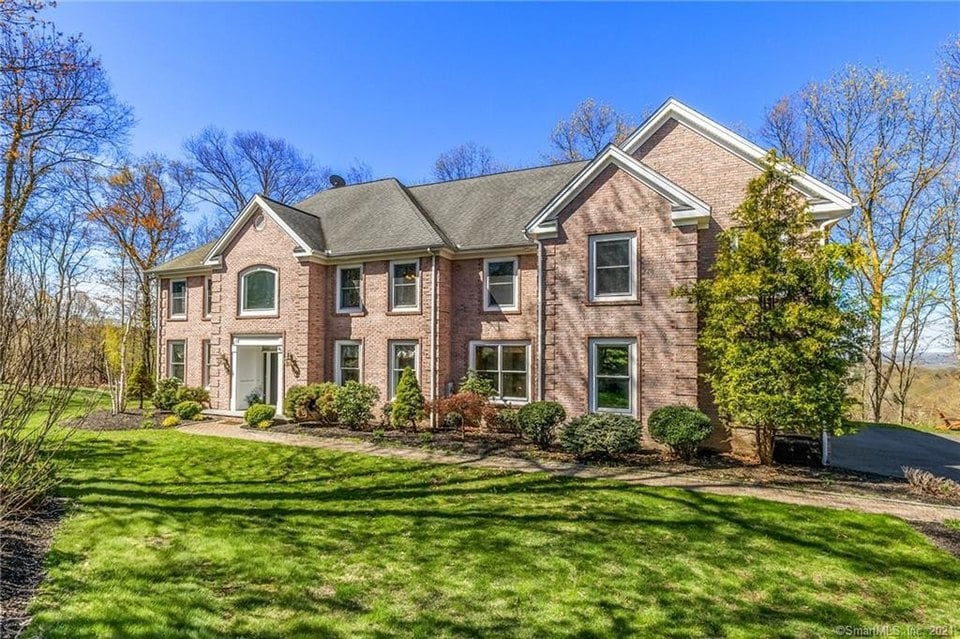
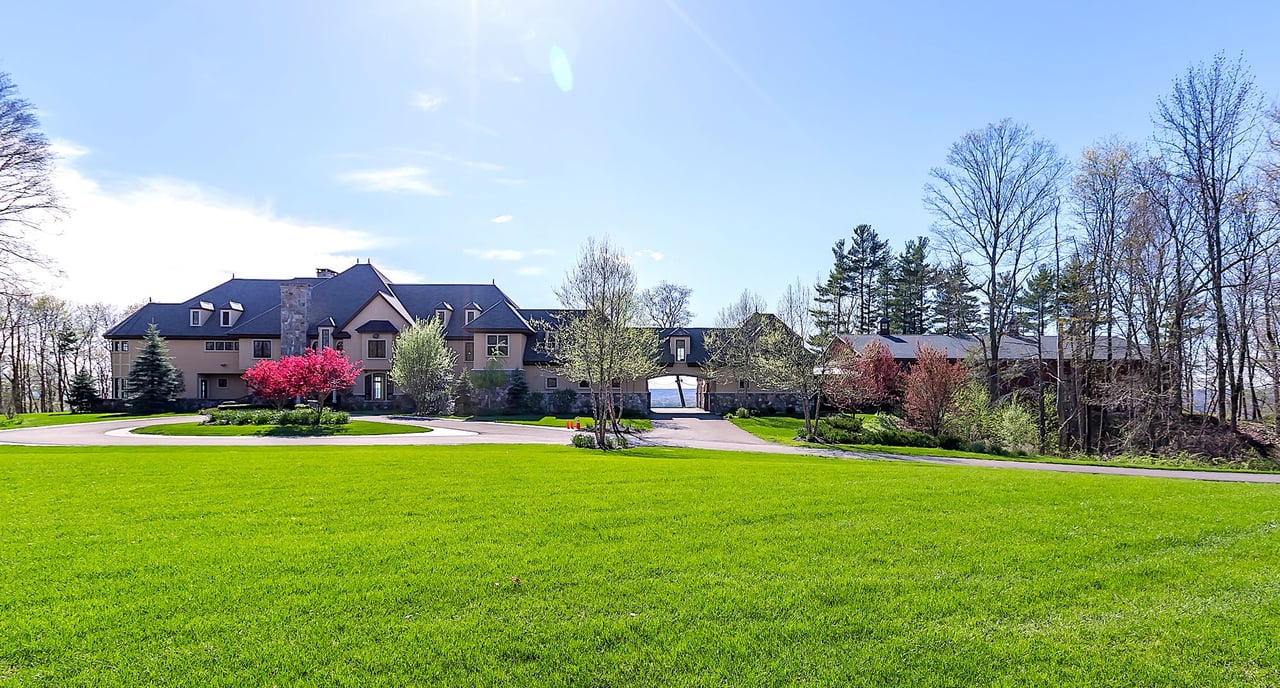
Avon has a variety of housing styles and property settings, from established neighborhoods to homes with larger lots.
A property with extensive landscaping, a long driveway, or additional outdoor features may require a different maintenance budget than a smaller home with a manageable yard.
The age and condition of major systems also matter.
A home with a recently replaced roof and heating system may present different near-term expenses than one with older equipment.
These differences should be considered when comparing properties at similar asking prices.
Yes. It's generally wise to avoid using every available dollar toward your down payment and closing costs.
Owning a home means taking responsibility for repairs and unexpected expenses.
A heating system can fail, a roof may need attention, or an appliance could require replacement.
You may also want money available for moving, furniture, improvements, or other immediate expenses.
The amount you should retain depends on your income stability, existing obligations, the property's condition, and your financial comfort level.
A larger down payment can reduce your loan balance, but preserving adequate savings may be equally important.
Connecticut offers programs that may help eligible buyers with financing and upfront purchasing expenses.
The Connecticut Housing Finance Authority, commonly known as CHFA, offers mortgage programs and down payment assistance options subject to eligibility requirements.
Programs such as Time To Own may provide assistance to qualifying borrowers, depending on current funding, program guidelines, and availability.
Eligibility can depend on factors including income, purchase price, borrower qualifications, and the specific mortgage program.
Importantly, not every buyer will qualify, and assistance isn't automatically available for every Avon property.
If you're considering using a homebuyer assistance program, speak with a participating lender early in the process.
Understanding your eligibility before making offers can help prevent financing surprises.
Not necessarily.
An older home may have a lower asking price than a newer or extensively renovated property, but the total cost of ownership depends on its condition.
A home with dated finishes may offer an opportunity to make improvements gradually.
However, major expenses involving the roof, heating system, electrical equipment, plumbing, or foundation can significantly affect your budget.
On the other hand, a newer property may have a higher purchase price but fewer immediate maintenance needs.
Neither option is automatically the better financial decision.
A thorough inspection and realistic evaluation of upcoming expenses can help you compare properties more accurately.
There's no single savings target that works for every buyer.
Instead, begin with the price range you're considering and estimate your down payment, closing costs, and the savings you'd like to retain afterward.
Then speak with a lender to review your financing options and estimated monthly payment.
For example, if you're considering homes around $600,000, understanding the difference between 5%, 10%, and 20% down can help you decide how much cash you're comfortable using.
You may discover that a smaller down payment provides greater financial flexibility, or that a larger down payment better aligns with your monthly payment goals.
The right approach depends on your overall financial picture.
Before scheduling showings, I recommend establishing three numbers.
First, determine the maximum purchase price you're comfortable considering.
Second, understand the total monthly housing payment you want to stay within.
Third, establish how much cash you can use toward the purchase while maintaining an appropriate financial cushion.
From there, review available properties and recent comparable sales to see what your budget can realistically buy in Avon.
That preparation can make it easier to evaluate listings, recognize opportunities, and avoid stretching beyond your financial comfort level.
You don't necessarily need 20% down, but you do need to plan for more than the down payment.
Closing costs, property taxes, insurance, financing terms, maintenance, and cash reserves all influence what you can comfortably afford.
The best homebuying budget isn't simply the highest price your lender will approve. It's the amount that allows you to purchase a home while remaining financially comfortable afterward.
If you're considering buying a home in Avon, Connecticut, I can help you understand local home prices, evaluate available properties, and connect with a mortgage professional to review financing options.
Whether you're purchasing your first home or preparing for your next move in the Farmington Valley, understanding the numbers before you begin can make the buying process much more manageable.
Adam Cannon, Realtor
Coldwell Banker Realty | West Hartford
Stay up to date on the latest real estate trends.
Whether buying, selling, or exploring your options, I am ready to help you achieve your goals. With experience, integrity, and commitment, I’m the partner you can count on for exceptional real estate results.