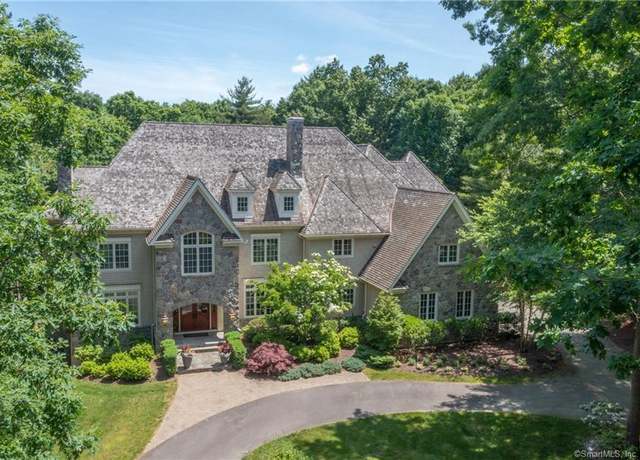
How Much Does It Cost to Buy a Home in the Farmington Valley?
Adam Cannon October 29, 2026
If you are considering buying a home in Connecticut’s Farmington Valley, one of your first questions is probably how much you will need to spend. The answer depends on where you are looking.
Avon, Farmington, Simsbury, Canton, and Granby each offer different housing options, price ranges, and ownership costs. Even homes with similar asking prices can provide very different lifestyles and financial considerations. Understanding what your budget can buy across the Farmington Valley is one of the best ways to narrow your home search before choosing a specific town.
According to Zillow’s Home Value Index for September 2026, typical home values across the five core Farmington Valley towns were approximately:
These figures represent estimated typical home values, not median sale prices or the asking prices of currently available listings. Individual properties can sell for substantially more or less depending on their location, size, condition, and features. The numbers provide a useful starting point, but they do not tell the entire story.
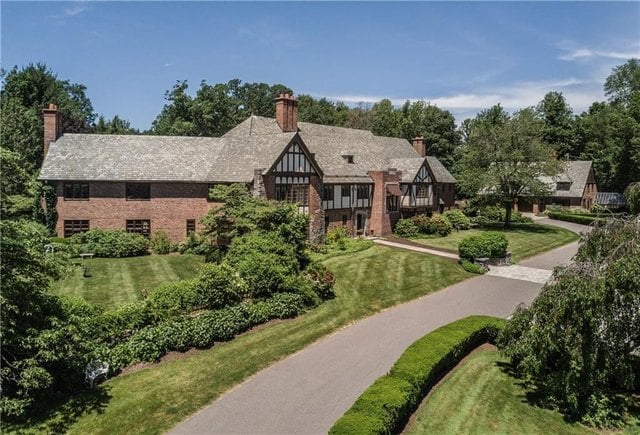
Avon offers a mix of established neighborhoods, condominiums, contemporary homes, Colonials, and luxury properties. Buyers may find smaller homes and condos at lower price points, while extensively renovated properties and larger homes can command considerably higher prices. Location within Avon matters, as do the age of the property, acreage, architectural features, and quality of improvements.
If you are comparing Avon with other Farmington Valley towns, it is important to evaluate similar property types rather than comparing a condo in one town with a detached home in another.
Farmington’s typical home value was lower than Avon’s in September 2026, but that does not mean every Farmington property is less expensive. Farmington includes condominiums, traditional single-family neighborhoods, historic properties, and substantial luxury homes. Areas such as Unionville can offer a different mix of housing options than other sections of town.
Farmington also has convenient access to major roadways, shopping, and employment centers, which can be important for buyers considering their daily commute. For some buyers, Farmington may offer an appealing combination of property options and ownership costs. However, affordability ultimately depends on the specific home.
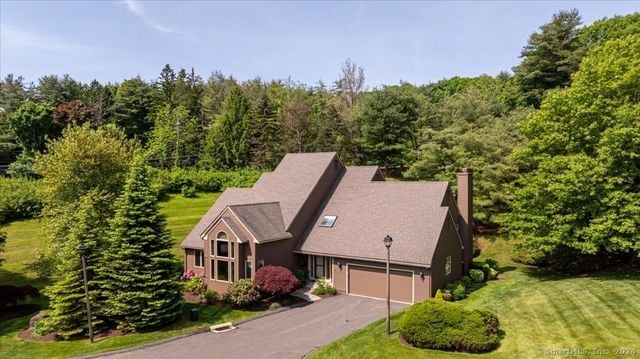
Simsbury offers a broad selection of residential properties, including Colonials, ranches, historic homes, and newer construction. Buyers looking in Simsbury may prioritize neighborhood setting, proximity to local amenities, or access to outdoor recreation. Areas such as Weatogue and West Simsbury provide different property styles and settings, making it important to compare individual neighborhoods.
Larger homes, extensive renovations, and desirable lot characteristics can influence prices considerably. A buyer comparing Simsbury with Avon or Farmington should look at recent comparable sales and current inventory rather than relying solely on townwide averages.
Canton and Granby are worth exploring for buyers who want additional options throughout the Farmington Valley. Canton includes properties ranging from smaller homes to larger residences with substantial acreage. Housing options in Collinsville can differ significantly from properties in other sections of town. Granby offers a mix of traditional neighborhoods, rural properties, and homes with larger lots.
Both towns may appeal to buyers seeking more outdoor space or a quieter residential setting. However, neither town is automatically inexpensive. A renovated home on several acres may cost significantly more than a smaller property in Avon or Farmington. It is also important to consider commuting, maintenance, and the expenses associated with larger properties.
The type of home available at a particular price point changes with inventory, but buyers can use general budget ranges to guide their search:
These are illustrative search ranges, not guarantees of inventory or property features. The most accurate way to understand what your budget can buy is to review active listings alongside recently closed comparable sales.
Property taxes can make a meaningful difference in your total monthly housing payment. For fiscal year 2026–2027, the five core Farmington Valley towns have the following real estate mill rates:
Certain properties may also be subject to additional district taxes. For example, properties within Simsbury’s applicable fire district are subject to an additional 1.33 mills. In Connecticut, property taxes are based on a property’s assessed value, not simply its current asking price. One mill represents $1 in tax for every $1,000 of assessed value.
A lower mill rate does not automatically mean a lower tax bill, because assessed values vary between properties and towns. Before purchasing, review the property’s actual assessment, current tax bill, and any applicable district charges.
Imagine comparing two Farmington Valley homes, each listed for $500,000. Even with the same down payment and mortgage interest rate, the monthly ownership costs could differ. One property may have higher annual taxes, while another may require more expensive homeowners insurance. A condominium could have association fees, while a detached home may require more landscaping, snow removal, and exterior maintenance.
Heating systems, utility costs, and the age of major mechanical equipment also affect your budget. This is why the lowest asking price is not necessarily the least expensive home to own.
This is a common decision for buyers comparing properties throughout the Farmington Valley. A smaller, renovated home may offer fewer immediate projects and more predictable short-term expenses. A larger home with dated finishes may provide additional space but require improvements over time. Neither is automatically the better choice.
Evaluate the property’s layout, condition, location, and anticipated maintenance expenses. Cosmetic updates can often be completed gradually. Major structural or mechanical issues may require more immediate attention. A thorough inspection can help buyers understand the property’s condition before committing to the purchase.
There is no single answer because buyers prioritize different things. Someone seeking a condominium with limited exterior maintenance may have different options than a buyer looking for four bedrooms and two acres. Commute times, neighborhood preferences, lot sizes, and proximity to amenities can all influence which town makes the most sense.
Rather than selecting one community based solely on its typical home value, compare several towns within your budget. You may find that a slightly smaller home in one location offers a better overall fit than a larger property elsewhere.
Start by establishing a comfortable purchase price and estimated monthly housing budget. Then review your financing options with a mortgage lender so you understand how property taxes, insurance, and other expenses affect affordability.
Next, identify which features matter most. Do you need a specific number of bedrooms? Is a larger lot important? Would you consider cosmetic updates? How much commuting are you comfortable with?
Once those priorities are clear, compare current listings and recent sales in Avon, Farmington, Simsbury, Canton, and Granby. This approach allows you to evaluate the entire Farmington Valley rather than overlooking a property that might be a great fit simply because it is located in a different town.
Home prices vary considerably throughout the Farmington Valley, and the town you choose can influence both your purchase price and ongoing expenses. While typical home values provide a useful starting point, the real cost of buying depends on the property itself, financing terms, taxes, insurance, and maintenance.
The best approach is to compare what your budget can buy across multiple Farmington Valley towns before narrowing your search.
If you are considering buying a home in Avon, Farmington, Simsbury, Canton, or Granby, I can help you review local market conditions, evaluate comparable sales, and understand which properties offer the best fit for your needs and budget.
Adam Cannon, Realtor
Coldwell Banker Realty | West Hartford
Stay up to date on the latest real estate trends.
Whether buying, selling, or exploring your options, I am ready to help you achieve your goals. With experience, integrity, and commitment, I’m the partner you can count on for exceptional real estate results.