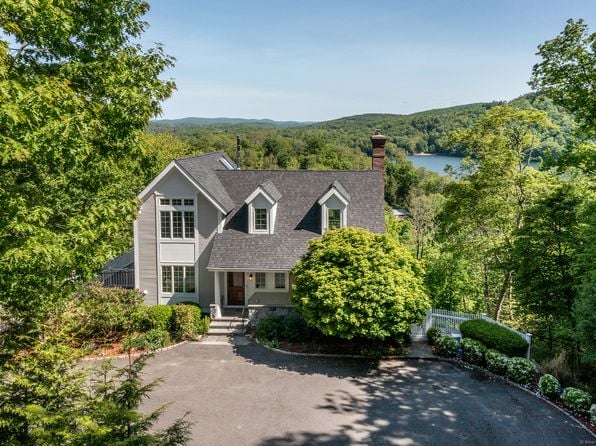
How Do I Sell an Inherited House in Connecticut?
Adam Cannon October 13, 2026
Inheriting a house in Connecticut can come with a lot of questions, especially if you've never handled an estate or sold a property before.
You may be wondering whether you can sell the house immediately, if probate is required, what to do with the belongings inside, or whether the property needs repairs before going on the market.
The first step in selling an inherited house in Connecticut is determining who has legal authority to sell the property. From there, you can evaluate the home's value, condition, outstanding expenses, and the best strategy for bringing it to market.
Here's what you should know before getting started.
Sometimes, but it depends on how the property was owned and how ownership transfers after the original owner's death.
For example, a home held in certain forms of joint ownership or a trust may be handled differently from property owned solely by someone who passed away.
If the home is part of an estate, an executor or administrator may be responsible for managing the sale. Depending on the circumstances, Probate Court authorization may also be necessary.
Before listing the property, a Connecticut probate attorney should confirm who has authority to sign the listing agreement, accept an offer, and transfer ownership.
Not every inherited property follows the same probate process.
Whether probate proceedings are necessary depends on how the property was titled, the estate's circumstances, and any applicable legal arrangements.
Connecticut Probate Courts oversee estate administration and may authorize the sale of estate-owned real estate when required.
One important distinction is that selling a property during estate administration isn't necessarily the same as selling a house after it has already been transferred to an heir.
Understanding which situation applies can help prevent legal complications or closing delays.
It's common for an inherited property to involve more than one beneficiary or heir.
One person may want to sell immediately, while another may want to keep the property or spend money renovating it.
These differences can make the selling process more complicated.
Before moving forward, it's important to establish who legally owns the property, who has decision-making authority, and how the proceeds will be handled.
A Realtor can help everyone understand the property's market value and potential selling options, while an attorney can address ownership rights and disagreements.
Having realistic conversations early can make the process considerably smoother.
No, you don't necessarily need to renovate an inherited house before putting it on the market.
Many inherited properties haven't been updated in years. Some may need cosmetic improvements, while others have larger maintenance concerns.
The right approach depends on the home's condition, current market value, renovation costs, and your timeline.
In some cases, cleaning, decluttering, landscaping, and minor repairs may be enough to improve presentation.
In others, selling the property as-is may make more financial sense than investing substantial money into renovations.
The goal is to understand which improvements could meaningfully affect the selling price and which expenses may not be worth taking on.
For many families, sorting through the contents of an inherited home is one of the most time-consuming parts of preparing it for sale.
Before removing or disposing of belongings, confirm who has authority over the estate's personal property.
Once that's established, you can develop a plan for items family members want to keep, belongings that may be donated or sold, and anything that needs to be removed before listing.
Depending on the situation, an estate sale company, professional organizer, or cleanout service may be helpful.
You don't necessarily need to empty the entire property before speaking with a Realtor.
An initial walkthrough can help determine what preparation is actually necessary.
Inheriting a house doesn't automatically eliminate an existing mortgage.
If money is still owed, the loan and any other liens secured by the property need to be reviewed.
In a typical sale, an outstanding mortgage may be paid from the proceeds at closing.
However, estate obligations, loan terms, and the property's ownership structure can affect how the transaction is handled.
It's important to determine the mortgage payoff, property taxes, insurance costs, and any other outstanding obligations before estimating how much money the sale may generate.
An inherited property's value depends on the same factors that influence other Connecticut home sales: location, condition, size, updates, comparable sales, and current competition.
However, inherited homes sometimes present additional pricing challenges.
The property may have been owned for decades, leaving family members unfamiliar with its current market value.
Online estimates may not accurately reflect its condition, improvements, or necessary repairs.
A comparative market analysis can help establish a realistic selling range based on recent sales and competing properties.
An estate may also require a separate valuation or appraisal for legal or tax purposes.
These valuations serve different purposes, so it's important to understand which one you need.
Selling inherited real estate can have tax implications, but inheriting a property doesn't automatically mean you'll owe capital gains tax on its entire selling price.
For federal income tax purposes, the tax basis of inherited property is generally determined using its fair market value at the date of the previous owner's death, subject to exceptions.
If the property is later sold for more than its adjusted tax basis, a taxable gain may result.
Estate taxes, income taxes, conveyance taxes, and other expenses are separate considerations.
Because the treatment depends on the estate and the individual circumstances, it's worth speaking with a qualified tax professional before making assumptions about the proceeds.
The timeline depends on both the legal process and the real estate market.
If the property is still going through probate, establishing authority to sell or obtaining necessary approvals may affect when the transaction can proceed.
Once the home is ready to list, the selling timeline depends on its condition, asking price, location, and buyer demand.
A well-positioned property may attract interest quickly, while a home requiring extensive work or involving complicated estate matters may take longer.
Planning ahead can help you avoid unnecessary delays without rushing important decisions.
Whether you've inherited a family home in West Hartford, Farmington, Avon, Simsbury, Fairfield, Stamford, or another Connecticut community, the selling process starts with understanding the property's circumstances.
You may be managing the sale from out of state, coordinating with multiple family members, or trying to determine whether the home should be renovated or sold as-is.
Each situation deserves an approach based on the property's condition, market value, and the estate's needs.
If you're responsible for selling an inherited house in Connecticut, I can help you evaluate the property, understand current market conditions, and develop a practical plan for preparing, pricing, and marketing the home.
You don't need to have every detail figured out before having that conversation. We can start by understanding the property and identifying the next steps, while your attorney handles the estate's legal requirements.
Adam Cannon, Realtor
Coldwell Banker Realty | West Hartford
Stay up to date on the latest real estate trends.





Whether buying, selling, or exploring your options, I am ready to help you achieve your goals. With experience, integrity, and commitment, I’m the partner you can count on for exceptional real estate results.