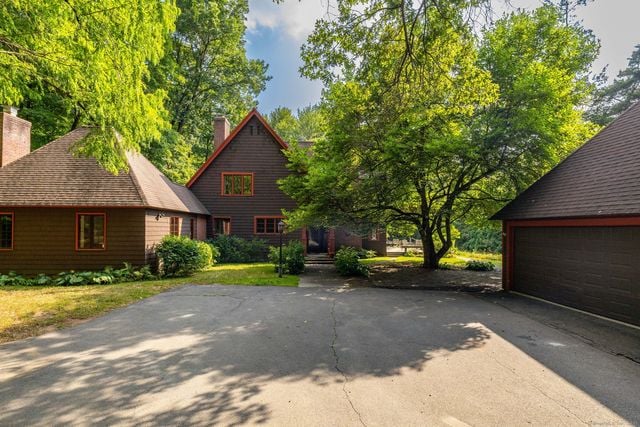
Do Open Houses Still Work When Selling a Home?
Adam Cannon June 17, 2026
Adam Cannon June 17, 2026
If you ask most homeowners how houses were sold twenty years ago, many would immediately mention open houses.
For decades, open houses were viewed as one of the primary ways buyers discovered properties. Sellers would spend days preparing their homes, agents would advertise heavily, and buyers would spend weekends driving from one open house to another.
Today, however, the real estate landscape looks very different.
Buyers have access to online listings, virtual tours, professional photography, mobile apps, and instant property alerts. Many homeowners preparing to sell naturally wonder whether open houses still matter or if they have become outdated.
The answer is not as simple as yes or no.
Open houses can still provide value, but they often serve a different purpose than many sellers expect. Understanding what open houses actually accomplish can help homeowners set realistic expectations and make informed decisions when preparing to sell.
One of the biggest changes in real estate over the past decade is how buyers find homes.
In the past, buyers often relied heavily on newspaper advertisements, real estate magazines, and weekend open houses to discover available properties.
Today, most buyers begin their search online.
Long before someone steps inside a property, they have usually viewed photos, reviewed pricing, studied property details, compared competing homes, and narrowed down their options. Many buyers already have a strong opinion about a property before scheduling a showing.
This shift has changed the role open houses play in the selling process.
The first showing often happens online, not in person.
That means professional photography, compelling listing descriptions, accurate pricing, and strong online exposure frequently have a greater impact on buyer interest than the open house itself.
While online marketing has become incredibly important, open houses still offer benefits that should not be ignored.
One of the biggest advantages is additional exposure.
Not every buyer schedules a private showing immediately. Some buyers prefer visiting open houses first to determine whether a property is worth pursuing. Others may be casually exploring neighborhoods and become interested after visiting a home they had not previously considered.
Open houses can also attract buyers who are early in their search process. While these visitors may not submit an offer immediately, they can become future buyers or share the property with friends and family members who are actively looking.
The more qualified people who see a property, the greater the opportunity to generate interest.
The first week a property is on the market is often the most important.
New listings naturally attract attention because buyers are excited to see fresh inventory. Serious buyers who have been monitoring the market closely often move quickly when a desirable property becomes available.
An open house during the first weekend can help capitalize on that momentum.
By creating a designated time for buyers to view the property, sellers may increase overall traffic and encourage more people to experience the home in a short period of time.
In some situations, strong attendance can create a sense of activity and urgency among buyers who may already be considering the property.
That does not guarantee multiple offers, but it can contribute to a stronger launch.
One reason some sellers become disappointed with open houses is because attendance does not always translate directly into offers.
Many open house visitors are genuinely interested buyers. Others are neighbors curious about the property, people exploring the local market, or individuals who are not yet ready to purchase.
This does not mean the open house failed.
Real estate marketing is often about exposure. The goal is not necessarily turning every visitor into a buyer. The goal is increasing visibility and creating opportunities for qualified buyers to discover the property.
Sellers should avoid judging an open house solely by the number of people who attend.
While open houses can generate interest, many accepted offers still come from private showings.
Private showings allow buyers to spend more time evaluating the property, asking questions, and discussing details with their agent. They also provide a quieter environment than a busy open house.
Because serious buyers often prefer private appointments, sellers should view open houses as one piece of the marketing strategy rather than the entire strategy.
The strongest results usually come from combining:
No single marketing tool sells every home.
In some cases, yes.
Properties located in desirable neighborhoods, homes with unique features, and listings that appeal to a broad audience often benefit more from open houses than highly specialized properties.
Timing can also matter. A well attended open house during a busy spring market may create more activity than an open house held during a slower period of the year.
Market conditions, inventory levels, buyer demand, and property type all influence effectiveness.
This is why there is no universal answer that applies to every listing.
One misconception sellers sometimes have is believing the open house itself is supposed to sell the home.
In reality, the primary goal is often much simpler.
An open house creates additional opportunities for buyers to experience the property.
It increases visibility.
It generates exposure.
It allows buyers who may be hesitant to schedule a private showing to see the home in person.
When combined with strong pricing, effective marketing, and excellent presentation, an open house can contribute to a successful sale.
So, do open houses still work?
Yes, but probably not in the way many homeowners imagine.
Most buyers begin their search online, and many accepted offers originate from private showings rather than open house visitors. However, open houses still provide valuable exposure, help generate early momentum, and create additional opportunities for buyers to connect with a property.
The most successful home sales typically result from a complete marketing strategy rather than any single tactic.
If you're preparing to sell and wondering whether an open house makes sense for your property, reach out anytime. Understanding your local market and buyer behavior can help determine the best strategy for maximizing exposure and attracting serious buyers.
Adam Cannon, Realtor
Coldwell Banker Realty | West Hartford
Stay up to date on the latest real estate trends.
Whether buying, selling, or exploring your options, I am ready to help you achieve your goals. With experience, integrity, and commitment, I’m the partner you can count on for exceptional real estate results.