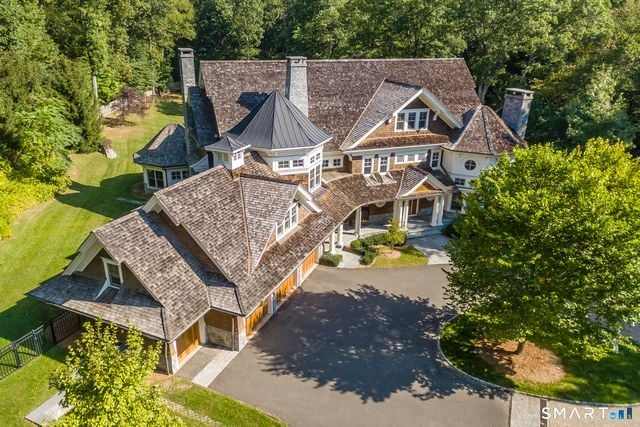
Buying an Older Home in Wethersfield?
Adam Cannon September 3, 2026
Adam Cannon September 3, 2026
Older homes are a major part of Wethersfield's identity.
For some buyers, that's exactly the appeal. Hardwood floors, traditional architecture, mature neighborhoods, fireplaces, built-ins, and details you don't necessarily find in newer construction can make an older property difficult to replicate.
But buying an older home also requires a different kind of due diligence.
That's particularly true in Wethersfield, where housing spans multiple generations and Old Wethersfield contains the largest historic district in Connecticut, including more than 150 structures built before 1850.
If you're considering an older home in Wethersfield, the goal isn't to be afraid of its age. It's to understand what you're buying.
A listing can show you a renovated kitchen.
It probably won't tell you everything you want to know about the electrical system.
That's why buyers should look beyond cosmetic improvements when evaluating an older property.
How old is the roof?
What type of electrical system does the home have, and has it been updated?
What plumbing materials are present?
How old is the heating equipment?
Does the home have central air or another cooling system?
Have the windows been replaced?
Is there evidence of water intrusion or moisture in the basement?
What work has been completed over the years?
An older home doesn't automatically mean these components are old. A property built decades ago may have been extensively improved by previous owners.
But don't assume "renovated" means everything was renovated.
Basements deserve particular attention when you're evaluating an older Connecticut home.
Some signs of age are completely different from signs of an active problem.
Your home inspector can help evaluate visible conditions, but buyers should pay attention to moisture, drainage, foundation conditions, mechanical equipment, and any evidence of previous water issues.
Also think carefully before mentally turning every unfinished basement into future living space.
Ceiling height, mechanical locations, moisture conditions, access, electrical work, and the intended use of the space can all affect how practical that project actually is.
A basement can be an excellent asset without necessarily becoming another finished floor.
Ask questions about improvements.
If the kitchen was remodeled, when was it done?
Were permits required and obtained for applicable work?
Was the electrical system updated at the same time?
Were bathrooms renovated?
Has plumbing been replaced?
When was the roof installed?
Has the heating system been replaced?
The Town of Wethersfield requires building permits for work including construction, enlargement, alteration, repair, and regulated electrical, gas, mechanical, and plumbing work.
That makes permit history one potential source of information when you're trying to understand what has changed over the life of a property.
Documentation won't answer every question, but it can help create a clearer picture.
If you're buying specifically in Old Wethersfield, there may be another layer to consider: the Historic District.
The Old Wethersfield Historic District was established in 1962 and today is the largest historic district in Connecticut. The town says it contains more than 150 structures built before 1850.
For many homeowners, preservation is part of the appeal of living there.
It also means buyers with renovation plans should understand the applicable requirements before purchasing.
The Historic District Commission reviews applications involving new construction, building additions, modifications, and demolition within the district. Exterior alterations visible from a public street or sidewalk can require a Certificate of Appropriateness.
If you're dreaming about changing the exterior of a historic property, adding onto it, or completing another significant visible project, investigate that plan before assuming you'll be able to execute it exactly as imagined.
This is an important distinction.
Buying within a historic district doesn't mean you're purchasing a museum.
Homes still need to function for modern life, and homeowners make improvements.
The difference is that certain projects may involve an additional review process designed to preserve the architectural character of the district.
If you're considering a property there, learn whether your future plans would require approval and what that process involves.
The town's Historic District Commission provides guidance for property owners and meets regularly to review applications.
Understanding those requirements before buying is much easier than discovering them after you've already designed a project.
Imagine you're comparing two older Wethersfield homes.
One has a gorgeous renovated kitchen, new flooring, fresh paint, and modern light fixtures.
The other looks dated but has a newer roof, updated electrical, replacement windows, newer heating equipment, and other major improvements.
Which is the better buy?
There isn't enough information to answer yet.
But the example illustrates why buyers shouldn't automatically assign more value to the home that photographs better.
Cosmetic projects are visible.
Major systems often aren't.
If you're comfortable renovating gradually, a dated property with strong underlying systems could be very appealing.
If you want minimal work after closing, your priorities may be completely different.
Older homes were built under different standards than today's construction.
That doesn't automatically mean they're uncomfortable or inefficient, especially when previous owners have made improvements.
But buyers should understand insulation, windows, heating systems, cooling, and other factors that may influence everyday comfort and utility costs.
Ask what has been improved.
If certain upgrades haven't been made, think about whether you'd want to address them after purchasing and include those projects in your longer-term budget.
If you're buying an older home because you see potential, put some numbers behind that vision.
Suppose the property needs a kitchen renovation, bathroom updates, refinished floors, and several larger system improvements.
What might those projects realistically cost?
Which need to happen immediately?
Which could wait five years?
Then compare the home with updated Wethersfield properties.
Paying less for a house that needs work can be a great strategy, particularly if you enjoy renovating and want to customize the property.
But a lower purchase price isn't automatically a bargain if the difference disappears once you account for the work you'll need to complete.
The house isn't the only thing you may want to change after purchasing.
Maybe you'd eventually like an addition.
A larger deck.
A garage.
An accessory structure.
Wethersfield's zoning regulations establish standards including lot sizes, setbacks, building height, and building and lot coverage. The town's planning documents also recognize that Wethersfield includes everything from compact historic neighborhoods with smaller lots to lower density areas with larger properties.
If a future project is essential to making the home work for you, investigate the property before purchasing rather than assuming available yard space means the project will automatically be allowed.
When you're buying an older home, don't spend every available dollar getting through the closing.
Even a well-maintained property will eventually need something.
Build a financial cushion for repairs and future improvements.
A home inspection can help identify visible conditions and areas that deserve additional evaluation, but nobody can predict exactly when every component of a house will need replacement.
The more you understand before buying, the easier it is to create a realistic plan rather than reacting to every future expense as a surprise.
There are reasons buyers specifically seek out older Wethersfield homes.
Architecture.
Craftsmanship.
Established streets.
Mature landscaping.
Historic character.
Walkability in certain areas.
Details that would be extremely expensive or impossible to reproduce in new construction.
The objective isn't to eliminate every sign that a home is old.
It's to distinguish between character worth preserving and deferred maintenance that needs attention.
That's where good inspections, careful research, realistic budgeting, and local market knowledge become important.
An older Wethersfield home can be an incredible purchase for the right buyer.
You simply want to know what you're taking on.
Understand the major systems. Review the improvements that have already been completed. Pay attention to the basement and exterior. Research your renovation plans. And if you're considering Old Wethersfield, understand whether the property falls within the Historic District and what that could mean for future exterior projects.
Then look at the price in the context of recent comparable sales and the home's actual condition.
If you're considering buying a home in Wethersfield, I can help you compare older and updated properties, review recent sales, understand pricing, and determine how a particular home fits into the local Wethersfield real estate market.
Adam Cannon, Realtor
Coldwell Banker Realty | West Hartford
Stay up to date on the latest real estate trends.
Whether buying, selling, or exploring your options, I am ready to help you achieve your goals. With experience, integrity, and commitment, I’m the partner you can count on for exceptional real estate results.