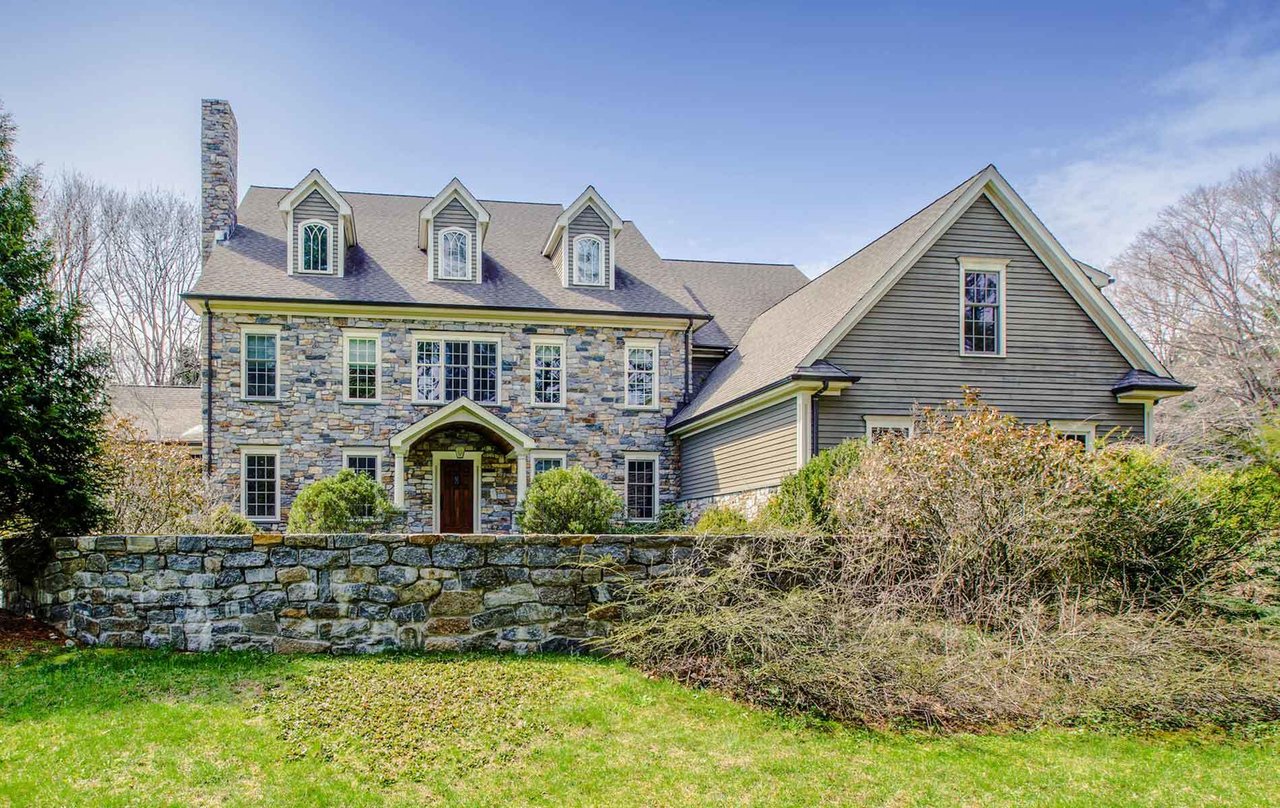
Are Luxury Homes Harder to Appraise in Connecticut?
Adam Cannon September 3, 2026
Adam Cannon September 3, 2026
When you're buying or selling a luxury home in Connecticut, determining its value isn't always as straightforward as comparing it with the house next door.
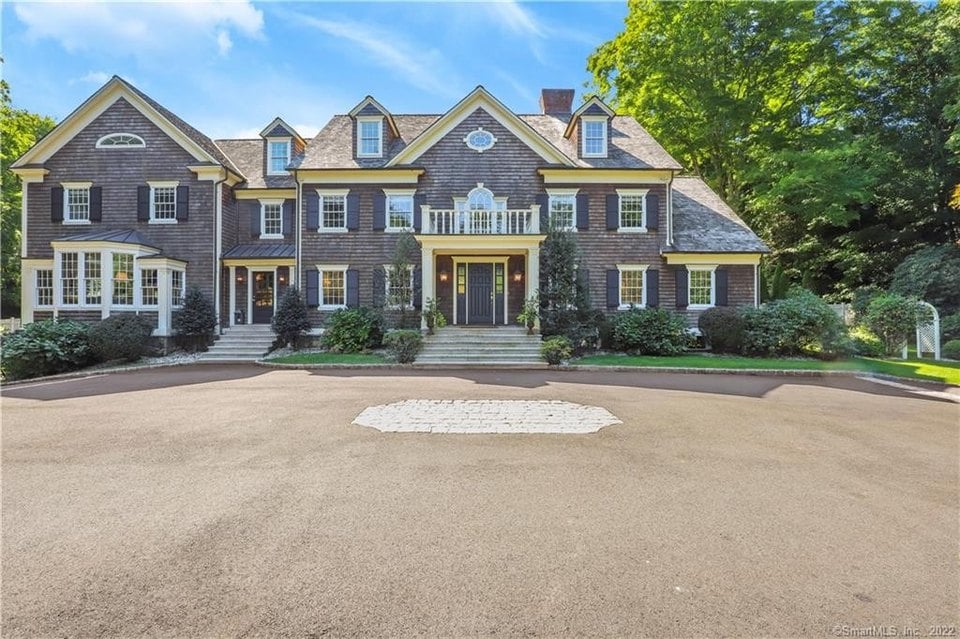
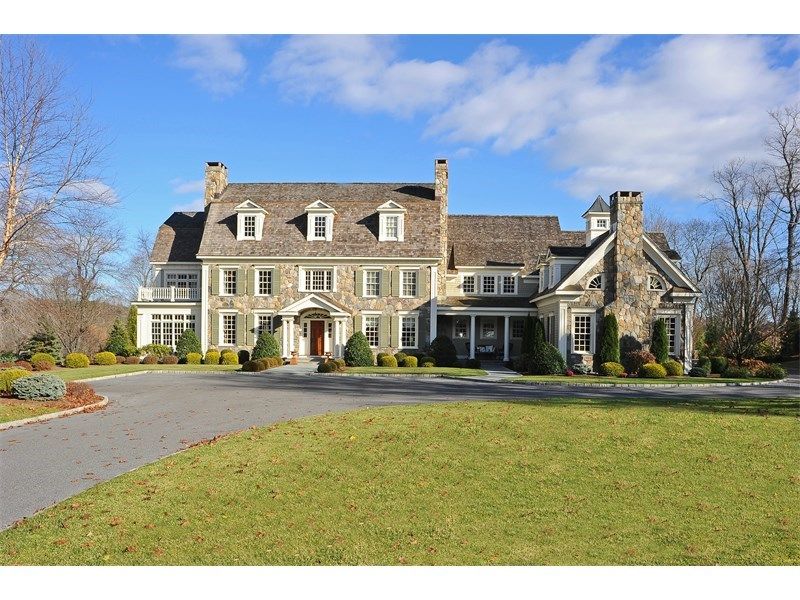
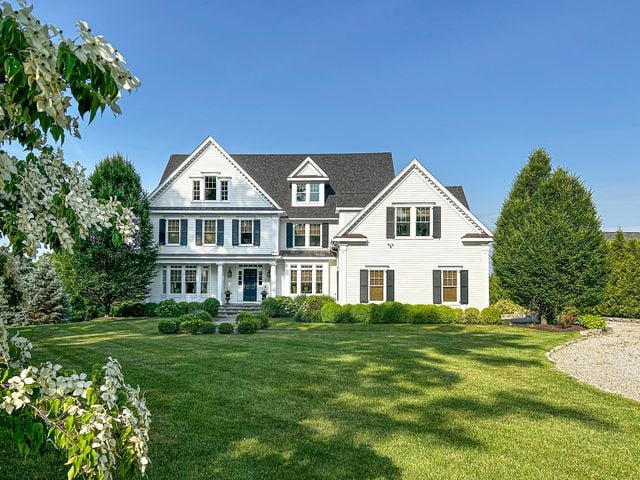
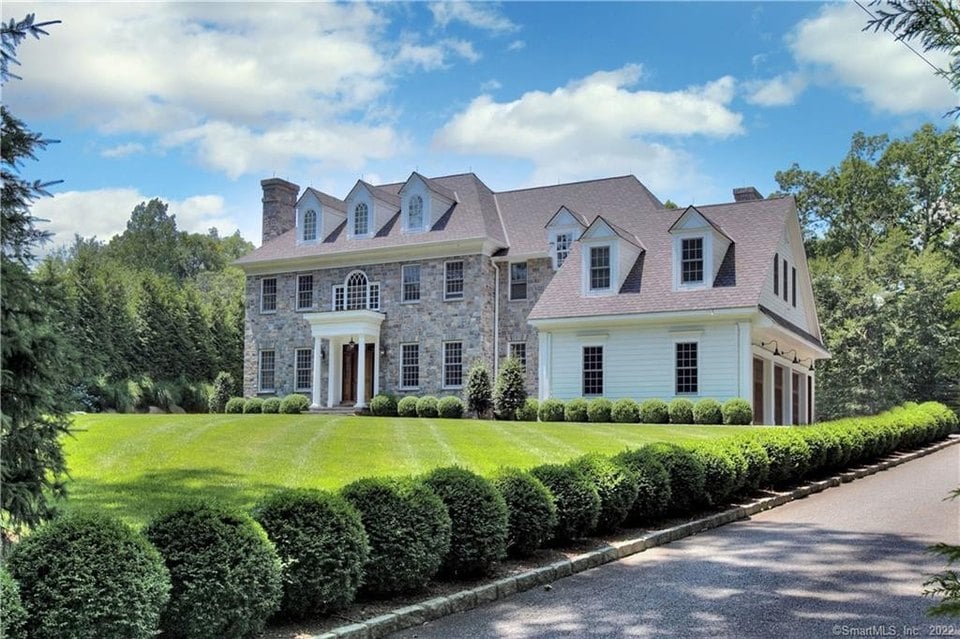
Luxury properties are often more distinctive. They may have custom architecture, significant acreage, extensive renovations, premium locations, pools, guest houses, elaborate outdoor spaces, or features rarely found in surrounding homes.
That can create an important question:
Are luxury homes harder to appraise in Connecticut?
Sometimes, yes.
The challenge isn't simply that the property is expensive. It's that there may be fewer genuinely comparable properties available to help establish its market value.
Appraisers generally evaluate a property using relevant market data, including comparable sales.
For a relatively typical home in a neighborhood filled with similar properties, there may be several recent nearby sales that provide useful comparisons.
Luxury real estate can be different.
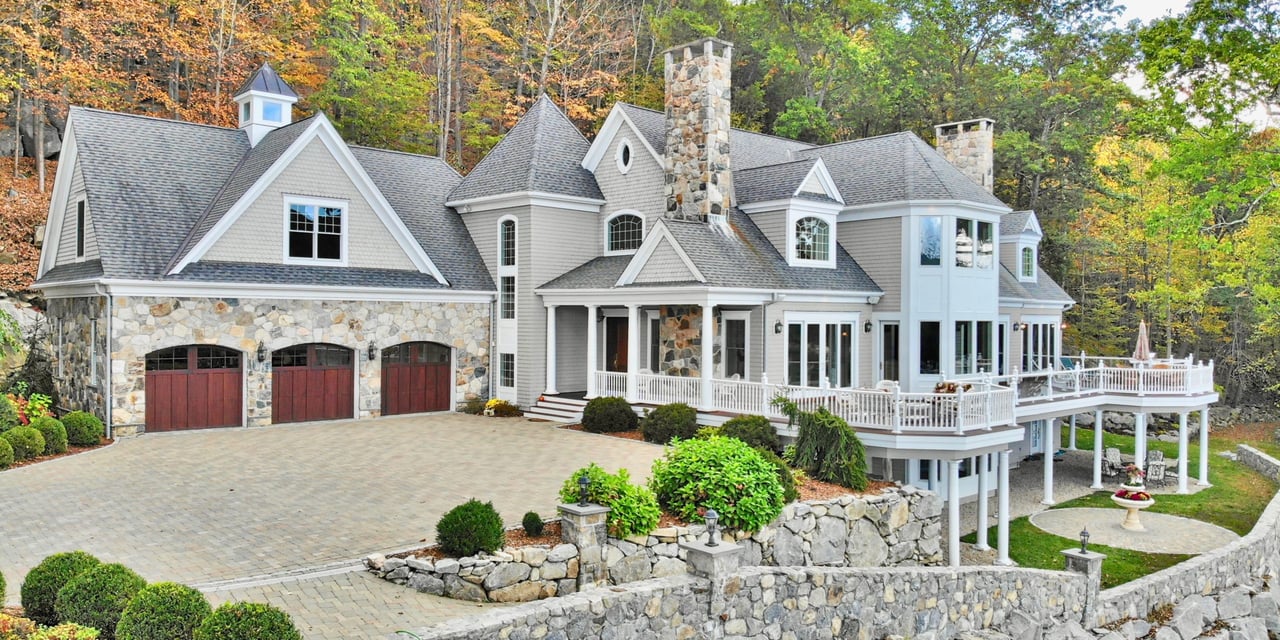
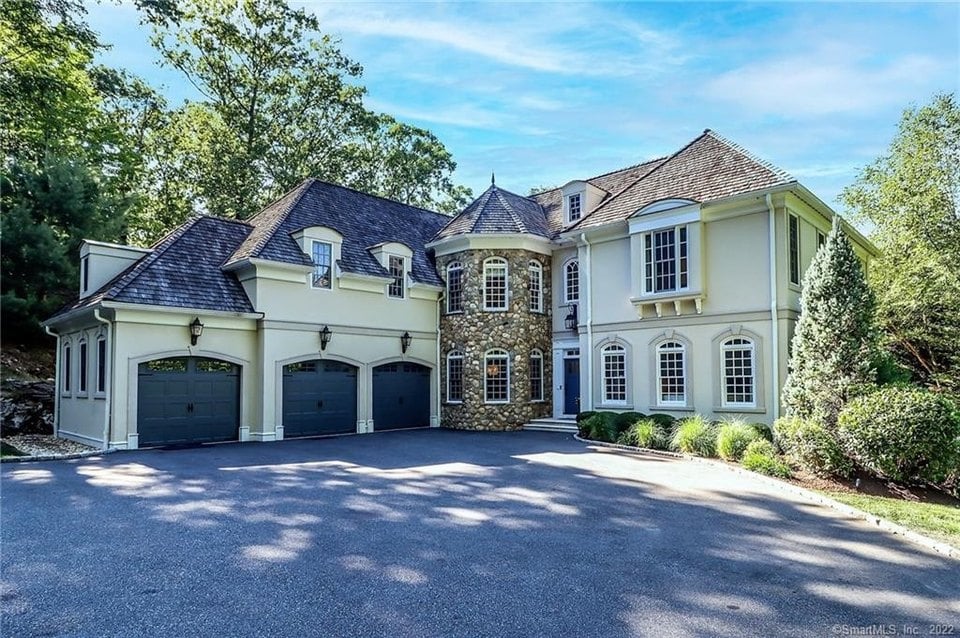
Imagine a custom-built home on several acres with a pool, extensive landscaping, high-end finishes, and a guest house.
The property next door might be half the size and built 40 years earlier.
The closest truly comparable sale might be farther away or may have occurred months ago.
That doesn't make the luxury property impossible to value. It simply means evaluating it can require more analysis.
This is particularly relevant in Connecticut because our luxury housing stock can vary considerably.
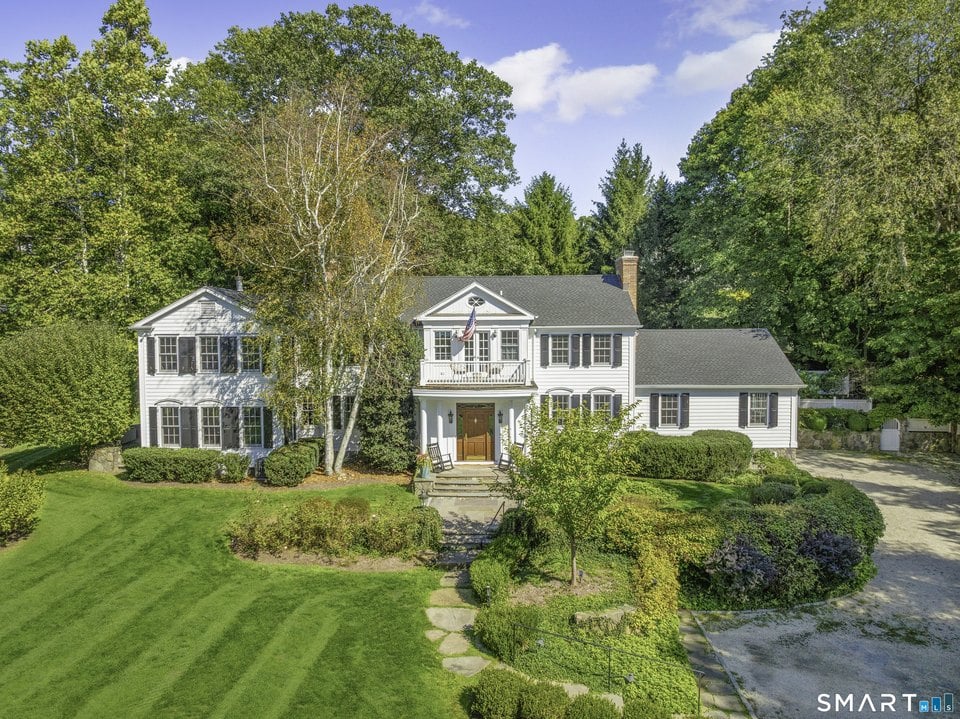
A luxury home in West Hartford might be a beautifully renovated historic property in an established neighborhood.
In Avon or Farmington, buyers may encounter large custom homes on substantial lots.
Simsbury, Canton, and Granby can offer higher-end properties with acreage, privacy, views, barns, or other unique characteristics.
Those aren't interchangeable properties.
Even homes within the same price range can offer completely different combinations of location, land, construction, condition, and amenities.
An appraiser may consider factors including the home's size, condition, location, lot, construction quality, improvements, amenities, and recent comparable sales.
Adjustments can then be made when the comparable properties aren't identical to the subject property.
For example, one home may have more acreage. Another may have a pool. Another may be newly renovated while the subject property hasn't been updated in 15 years.
The goal is to develop an opinion of market value based on available evidence.
With luxury properties, finding and interpreting that evidence can become more complex.
Not by itself.
Price per square foot can provide context, but it can become misleading when comparing unique properties.
A 5,000-square-foot home on an exceptional lot may have a very different market value from a 5,000-square-foot home on a less desirable site.
The same applies to construction.
Custom millwork, stonework, high-quality windows, premium mechanical systems, thoughtful architecture, and extensive renovations can separate one property from another even when their basic measurements look similar.
That's why evaluating Connecticut luxury real estate solely by price per square foot can miss important differences.
Not necessarily.
This is an important distinction for both buyers and sellers.
Spending $200,000 on a particular improvement doesn't automatically increase a home's appraised value by $200,000.
Pools, elaborate landscaping, custom kitchens, home theaters, wine rooms, outdoor kitchens, smart-home technology, and other luxury amenities may increase a property's desirability.
But the market ultimately determines how much buyers are willing to pay for those features.
Cost and market value aren't always the same thing.
It can, but acreage isn't valued in isolation either.
Usable, private, attractive land may contribute differently to a property's value than acreage with wetlands, difficult topography, limited usability, or other restrictions.
Location matters too.
Several acres in one Connecticut town may be relatively common, while the same amount of land in another community could be unusually scarce.
For luxury buyers, the quality of the land can sometimes matter as much as the quantity.
This is where an appraisal can become especially important during a financed purchase.
A lender generally uses the appraisal as part of determining how much it is willing to lend against the property.
If a buyer agrees to purchase a Connecticut luxury home for $2 million and the appraisal comes in below that amount, the transaction doesn't necessarily end.
What happens next depends on the purchase contract, financing, appraisal contingency, buyer's available funds, seller's position, and other circumstances.
The buyer and seller may renegotiate, the buyer may contribute additional cash, or other contractual options may apply.
That's why buyers should understand the appraisal terms in their offer before they're under contract.
Potentially.
Comparable sales are important, but luxury homes can have characteristics that make direct comparisons difficult.
A truly exceptional location, rare architecture, significant renovation, extraordinary lot, or combination of features unavailable elsewhere may influence what buyers are willing to pay.
Scarcity matters in real estate.
If there are ten nearly identical homes available, buyers have alternatives.
If a particular property offers something that rarely becomes available in that Connecticut market, determining its value can become more nuanced.
Unique doesn't automatically mean priceless.
Luxury sellers can run into trouble when they price a property based primarily on what they spent building or renovating it.
Buyers, appraisers, and ultimately the market may evaluate those improvements differently.
An unrealistic asking price can also make a luxury home sit longer, particularly because the buyer pool generally becomes smaller as prices increase.
Strong pricing requires understanding the property's unique characteristics and the market evidence surrounding it.
They should understand it, not necessarily fear it.
Before making an offer, buyers should look carefully at comparable sales and understand why a property may command a premium.
If you're willing to pay substantially more than recent comparable sales suggest, you should also understand what could happen if the appraisal doesn't support the purchase price.
That becomes particularly important when financing a higher-priced property.
They certainly can be.
The issue isn't simply the price tag. It's the lack of identical properties.
Custom construction, acreage, renovations, architecture, location, privacy, amenities, and scarcity can make Connecticut luxury homes difficult to compare using basic metrics.
That's particularly true throughout Hartford County and the Farmington Valley, where luxury real estate can range from historic West Hartford properties to custom homes and larger estates in Avon, Farmington, Simsbury, Canton, and Granby.
Whether you're buying or selling a luxury home in Connecticut, understanding what actually supports the property's value can help you approach pricing, negotiations, and the appraisal with much better information.
Adam Cannon, Realtor
Coldwell Banker Realty | West Hartford
Stay up to date on the latest real estate trends.

Whether buying, selling, or exploring your options, I am ready to help you achieve your goals. With experience, integrity, and commitment, I’m the partner you can count on for exceptional real estate results.